
Algeria Pardon Hopes represent a significant turning point in the complex legal and diplomatic saga of French sports journalist Christophe Gleizes. By formally withdrawing his appeal against a seven-year prison sentence on May 5, 2026, Gleizes has signaled a strategic shift toward seeking clemency rather than legal vindication. This move suggests a profound trust in the evolving diplomatic climate between Paris and Algiers. Observers note that such a high-stakes decision often precedes official acts of mercy in sensitive international cases. The international community now watches closely to see if President Abdelmadjid Tebboune will respond favorably to this symbolic gesture of submission to the judicial outcome.
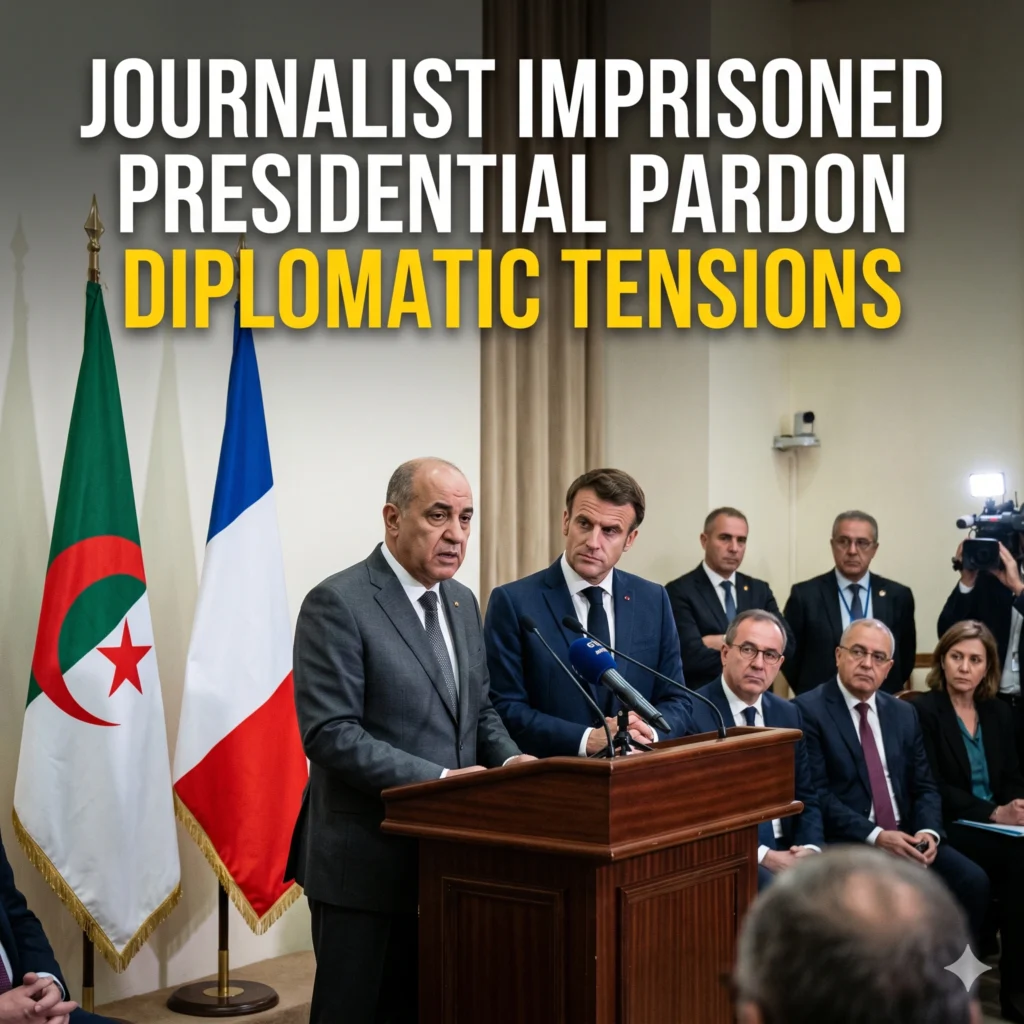
Algeria Pardon Hopes and Diplomatic Shifts
The decision to abandon the legal fight reflects growing Algeria Pardon Hopes within the journalist’s inner circle and the broader French media landscape. Christophe Gleizes was originally detained in 2024, a period marked by sharp tensions and mutual suspicion between the two Mediterranean nations. His arrest on a tourist visa while investigating a football club linked to the Amazigh minority was viewed by many as a geopolitical flashpoint. However, the recent withdrawal of the appeal indicates a belief that the courtroom is no longer the primary venue for his potential release.
Strategic legal experts suggest that continuing an appeal can sometimes be perceived as a challenge to the sovereign judicial authority of the state. By stepping back from the Supreme Court challenge, Gleizes is essentially placing his fate in the hands of the executive branch. This move aligns with traditional diplomatic protocols where a pardon serves as a tool for reconciliation. The family’s public statements emphasize that they are now looking toward a humanitarian solution rather than a legal debate over the original charges of anti-terrorism violations.
Algeria Pardon Hopes
The specific focus on Algeria Pardon Hopes is rooted in the recent warming of relations between France and Algeria. Earlier this year, the French Home Secretary conducted a high-profile visit to Algiers, which was widely seen as a “reset” for bilateral ties. Such visits often involve quiet negotiations regarding sensitive consular cases that have long been a thorn in the side of diplomats. For Gleizes, who has already served a significant portion of his sentence, the timing of this legal withdrawal appears meticulously calculated to coincide with this period of renewed cooperation.
Furthermore, the nature of the charges against Gleizes—allegations of possessing propaganda and violating state security—makes a presidential intervention the most viable path forward. In many jurisdictions, a pardon can be granted once the judicial process has reached a definitive conclusion, which the withdrawal of the appeal effectively ensures. This procedural finality allows the presidency to act without appearing to interfere in an ongoing court case. Consequently, the optimism shared by his mother and supporters is grounded in a pragmatic reading of current political trends.
The Cultural Context of the Investigation
One cannot discuss Algeria Pardon Hopes without acknowledging the delicate cultural subject matter that led to the journalist’s arrest in the first place. Gleizes was focusing his reporting on a football team deeply connected to the Amazigh minority, a group whose cultural recognition has been a sensitive topic within the North African nation. Authorities at the time interpreted his presence on a tourist visa as a circumvention of reporting regulations, leading to the severe seven-year sentence. This backdrop of cultural sensitivity has always made the case more than just a simple legal dispute.
The involvement of human rights organizations has kept the spotlight on the journalist’s condition and the fairness of his trial. These groups argue that the sentence was disproportionate to the alleged administrative infractions. However, the current shift toward seeking a pardon suggests a realization that public pressure must now be replaced by quiet diplomacy. The narrative has shifted from one of defiance to one of hope, focusing on the possibility of a grand gesture of mercy from the Algerian leadership during a significant national or religious milestone.
International Reactions to the Legal Move
International media outlets, including major broadcasters like France 24, have reported extensively on the fluctuating Algeria Pardon Hopes since the announcement. The withdrawal of the appeal is being interpreted by foreign policy analysts as a clear signal of de-escalation from the French side. By not contesting the sentence further, the French government avoids a protracted legal battle that could further strain the fragile diplomatic progress made in recent months. This silence is often a prerequisite for successful back-channel negotiations.
Supporters in France have organized various campaigns to keep the journalist’s name in the public eye without being antagonistic toward the Algerian state. They emphasize his role as a sports enthusiast who perhaps underestimated the complexities of local regulations. This softening of rhetoric is essential for fostering an environment where a pardon is politically feasible for President Tebboune. The collective hope is that the journalist can return home before the end of the year, marking a symbolic victory for the newly repaired Franco-Algerian relationship.
Technical Details of the Judicial Process
Understanding the mechanics behind Algeria Pardon Hopes requires a look at the Algerian penal code and the powers of the presidency. Under the current constitution, the President of the Republic has the authority to grant individual or collective pardons, often announced during Independence Day or other major holidays. By finalizing the conviction through the withdrawal of the appeal, Gleizes has met the technical requirements to be considered for such a list. This step removes the “sub judice” status of his case, allowing for open executive consideration.
Legal analysts in Algiers suggest that the state values the recognition of its judicial sovereignty. When a foreign national accepts a verdict and seeks mercy, it is often viewed more favorably than continued litigation. This context explains why the family and legal team chose this specific moment to act. They are leveraging the current stability in the region to ensure that the journalist’s case is prioritized during the next round of executive reviews. The success of this strategy depends entirely on the continued stability of bilateral communications.
Impact on Future Journalistic Standards
The situation surrounding Algeria Pardon Hopes will likely influence how international journalists approach reporting in the region for years to come. The case of Christophe Gleizes serves as a stark reminder of the importance of proper accreditation and the risks associated with reporting on sensitive internal social movements. While the immediate goal is his freedom, the long-term impact on press freedom and diplomatic reporting remains a subject of intense debate among media ethics boards and international monitors.
If a pardon is granted, it will be seen as a triumph of diplomacy over legal rigidity. It would also set a precedent for how similar cases might be handled in the future, emphasizing the role of executive mercy in resolving international consular crises. For now, the focus remains on the humanitarian aspect of the case, with the journalist’s health and well-being being the primary concern of his family. The wait for a response from El Mouradia Palace continues, with the world watching for a sign of clemency.
The Role of Family Advocacy
The mother of Christophe Gleizes has been the most vocal proponent of the Algeria Pardon Hopes strategy, using her platform to appeal directly to the heart of the Algerian leadership. Her recent radio interviews have been carefully worded to express respect for the Algerian people and their laws while pleading for the return of her son. This personal touch is often more effective than institutional pressure, as it frames the issue as a family tragedy rather than a political standoff. Her advocacy has been instrumental in keeping the French public engaged.
Community support in both France and the Algerian diaspora has also played a role in sustaining these hopes. Many recognize that the historical ties between the two countries are too deep to be permanently severed by a single legal case. There is a widespread desire to see this chapter closed so that both nations can focus on broader economic and security cooperation. The journalist’s release would remove a significant hurdle to full diplomatic normalization, making it a win-win scenario for both administrations involved in the dialogue.
Humanitarian Conditions and Prison Life
In the midst of the talk about Algeria Pardon Hopes, the reality of the journalist’s daily life in an Algerian prison remains a somber note. Reports indicate that while he has been treated according to international standards for foreign prisoners, the isolation from his family and country has taken a toll. A seven-year sentence is a grueling prospect for anyone, especially someone whose career was based on movement and communication. This human element is what drives the urgency of the pardon request, as every day spent in detention is a day lost to his professional and personal life.
The Algerian authorities have maintained that the rule of law must be respected and that the charges were serious enough to warrant the sentence. However, the prison system also allows for recommendations of good behavior to be passed to the presidency. If Gleizes has shown remorse and adhered to prison regulations, his case for a pardon becomes significantly stronger. The intersection of legal conduct, diplomatic necessity, and humanitarian concern creates the unique environment in which these hopes are currently flourishing.
Strategic Timing of the Pardon Request
The timing of the Algeria Pardon Hopes is not accidental, as the political calendar in North Africa often dictates the window of opportunity for such acts of grace. With various national commemorations approaching, the likelihood of a presidential decree increases. Foreign observers have noted that Algeria has used pardons in the past to signal goodwill to the international community. For the French government, securing the release of a citizen through these means would be a major consular success without requiring aggressive or confrontational rhetoric.
The French media has also moderated its tone, moving away from the “hostage” narrative that was prevalent during the early days of the arrest. This shift is crucial because it allows the Algerian government to act from a position of strength and generosity rather than appearing to cave to foreign pressure. The delicate dance of international relations is on full display here, with the journalist’s freedom as the ultimate prize. The coming months will determine if this calculated gamble by the Gleizes family will pay off.
Legal Precedents and Regional Stability
Looking at the history of Algeria Pardon Hopes, one can find several instances where foreign nationals were released following similar legal maneuvers. These precedents provide a roadmap for the current case. Often, the process involves a period of “cooling off” where the case drops from the front-page headlines, allowing diplomats to work in the shadows. The current silence from the Algerian Ministry of Justice regarding the withdrawal of the appeal is seen by some as a positive sign that the request is being processed through the appropriate channels.
Regional stability also plays a factor, as Algeria seeks to position itself as a reliable partner for Europe in energy and security. Resolving lingering disputes with France, including the detention of high-profile citizens, is a necessary step in that journey. The case of Christophe Gleizes is thus intertwined with the larger geopolitical ambitions of the Algerian state. By showing mercy, the leadership can demonstrate its commitment to a modern, diplomatically engaged future while still upholding the integrity of its domestic legal system.
The Final Push for Clemency
As the Algeria Pardon Hopes reach a fever pitch, the legal team is ensuring that all paperwork is in perfect order to leave no room for administrative delays. The withdrawal of the appeal is now a matter of public record, and the formal petition for a pardon has been submitted. Supporters are encouraged to remain patient, as the wheels of executive power can turn slowly. The goal is to ensure that when the President reviews the list of potential pardons, the name Christophe Gleizes stands out as a candidate who meets all the criteria for humanitarian release.
The resilience of the journalist himself is also a factor. Throughout the ordeal, he has reportedly remained focused on the possibility of returning to his work and his family. This strength of character is often cited by those who know him as a reason why he has been able to endure the challenges of the last two years. As the story continues to develop, the focus will remain on the intersection of law, politics, and the human spirit. The hope is that the next update will be one of celebration and reunion on French soil.
Summary of the Current Legal Status
To understand the current state of Algeria Pardon Hopes, one must recognize that the legal path has been exhausted by choice. There are no more court dates or legal arguments to be made. The focus has shifted entirely to the executive branch of the Algerian government. This transition marks the end of the confrontational phase of the case and the beginning of the collaborative, diplomatic phase. It is a moment of profound uncertainty but also of intense possibility for the journalist and his loved ones who have waited so long for good news.
The international community remains supportive, providing a background of quiet encouragement for the pardon. Human rights monitors continue to watch the case, but their role has shifted toward verifying the conditions of the potential release. The narrative of Christophe Gleizes is now a testament to the power of diplomacy and the enduring hope that even the most complex international disputes can find a resolution through mercy and mutual respect. The world awaits the final decision from Algiers with bated breath and a sense of cautious optimism.
Chronology of the Gleizes Case
The timeline of Algeria Pardon Hopes begins with the arrest in late 2024. Following the initial detention, the legal process moved quickly, resulting in the seven-year sentence that shocked many in the media world. Throughout 2025, various attempts at appeal were made, but as the political climate changed, so did the strategy. The May 2026 withdrawal of the appeal is the most significant development since the trial itself. This chronology highlights the shift from a defensive legal posture to a proactive diplomatic one, reflecting the changing realities of the Mediterranean geopolitical landscape.
The role of the French embassy in Algiers has also been critical throughout this timeline. Consular officials have made regular visits to Gleizes, ensuring he remains connected to the outside world. These visits have provided the necessary link between the prisoner, his family, and the diplomatic negotiators. The steady flow of communication has ensured that the strategy of seeking a pardon was a collective decision, supported by all parties who have the journalist’s best interests at heart. This unified front is perhaps the strongest asset the case currently possesses.
Future Implications for Press Freedom
Beyond the immediate Algeria Pardon Hopes, the case raises important questions about the safety of journalists working in sensitive regions. The balance between the right to report and the obligation to follow local laws is a fine one. The Gleizes case will likely be used as a case study in journalism schools for years to come. It underscores the need for better protections for media workers and clearer guidelines for navigating the legal systems of foreign nations. While a pardon would be a personal victory for Gleizes, the broader systemic issues remain a challenge for the global press.
Advocacy groups like Reporters Without Borders continue to push for reforms that would prevent such long sentences for what they consider professional activities. However, in the context of the current Franco-Algerian relations, the priority is the safe return of the individual. The broader debate over press freedom will undoubtedly continue, but for now, the focus is squarely on the humanitarian outcome. The hope is that a positive resolution to this case will open the door for more productive dialogues about the role of the media in society and the importance of protecting those who seek to tell difficult stories.
Final Thoughts on the Diplomatic Path
The journey toward fulfilling Algeria Pardon Hopes is a reminder that in the world of international relations, the law is often only one part of the story. Politics, history, and human emotion play equally important roles. The decision to stop the appeal was a brave one, requiring a leap of faith in the goodwill of a foreign government. It reflects a belief that despite past tensions, there is a common ground to be found. As we move closer to a potential resolution, the story of Christophe Gleizes stands as a symbol of the complexities and the possibilities of the modern world.
The family’s hope is not just for a release, but for a new beginning. They envision a future where the journalist can use his experience to foster greater understanding between cultures rather than being a point of contention. This vision of reconciliation is what sustains them during the long days of waiting. As the Algerian presidency considers the request, the eyes of the world are a reminder that mercy is a universal value that can bridge even the widest of divides. The outcome of this case will be a significant marker for the future of the region.
Conclusion of the Legal Saga
The conclusion of this chapter in the Algeria Pardon Hopes story is marked by a sense of finality in the courts and a beginning of hope in the halls of power. The seven-year sentence remains on the books, but its implementation is now subject to the highest authority in the land. This shift represents the ultimate “Hail Mary” in a case that has seen many twists and turns. Whether the gamble pays off remains to be seen, but the strategy is clear, the intentions are transparent, and the desire for peace is evident. The story of Christophe Gleizes is far from over, but it has entered its most critical phase.
As the journalist sits in his cell on this day in May 2026, he is no longer fighting a legal battle. He is waiting for a gesture of mercy that could change his life forever. The support of his family, the efforts of his government, and the prayers of his colleagues are all directed toward the same goal. The Algeria Pardon Hopes are more than just a headline; they are a lifeline for a man caught in the gears of international politics. We await the next announcement with hope and the belief that justice and mercy can coexist for the benefit of all involved.
For more details & sources visit: France 24
Read more about Algeria news on 360 News Orbit – Algeria.