
The National Bank of Poland remains the central pillar of the country’s financial architecture, especially as it navigates the complex global economic landscape of 2026. Under the leadership of Governor Adam Glapiński, the institution has recently shifted its strategy to prioritize long-term stability over aggressive stimulus. This move follows a period of significant interest rate adjustments designed to foster a resilient post-pandemic recovery and manage domestic liquidity effectively.
Policymakers are currently focused on the delicate balance between sustaining a robust 3.5% growth rate and shielding the economy from external inflationary pressures. The decision to hold interest rates at 3.75% highlights a transition toward a “wait-and-see” approach, allowing the council to gather more data on global commodity trends. By maintaining this stance, the National Bank of Poland seeks to provide a predictable environment for both domestic investors and international partners.
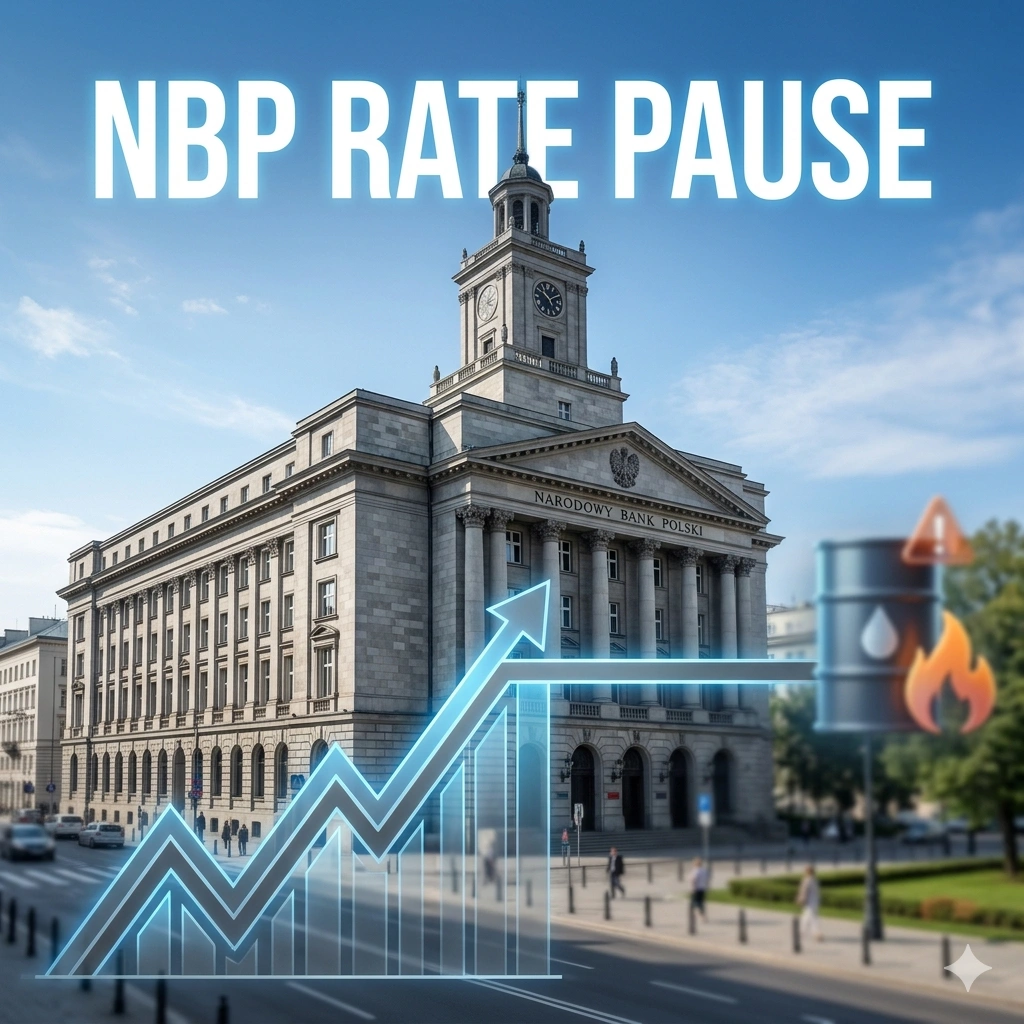
Strategic Objectives of the National Bank of Poland
The primary mission of the National Bank of Poland is to maintain price stability while supporting the overall economic policy of the government. In early 2026, the bank successfully brought inflation down to 2.4%, which falls squarely within its target range. This achievement has allowed the Monetary Policy Council to pause its easing cycle and evaluate the permanence of these price levels in the face of rising global fuel costs.
This period of stability is essential for the banking sector to offer competitive and predictable credit products to the public. When the central bank maintains a steady hand, commercial lenders can more accurately price loans for mortgages and industrial expansion. Consequently, the National Bank of Poland is effectively anchoring the expectations of the entire financial market, preventing the kind of uncertainty that can lead to stalled investment.
Furthermore, the bank is heavily involved in the modernization of the national payment system. By overseeing the implementation of new financial technologies, the institution ensures that the Polish economy remains efficient and secure. These efforts are part of a broader mandate to protect the integrity of the national currency and ensure that the financial infrastructure can handle the demands of a modern, digitalized society.
Global Energy Volatility and the National Bank of Poland
External factors such as the rise in Brent crude prices to $97 per barrel have direct implications for the National Bank of Poland and its monetary outlook. Since Poland is a net importer of energy, high global prices act as a significant inflationary threat that can quickly erode the purchasing power of citizens. The bank must carefully monitor these costs to ensure they do not trigger a second round of price hikes across the manufacturing sector.
The threat of imported inflation is particularly acute when trade routes in the Middle East are disrupted, leading to higher logistics and transportation costs. The National Bank of Poland uses sophisticated modeling to determine how these external shocks will ripple through the domestic consumer price index. If the “pass-through” effect appears too strong, the bank is prepared to adjust its policy to prevent a wage-price spiral from developing.
- Monitoring the impact of oil price fluctuations on the domestic transportation index.
- Assessing how natural gas costs influence the production of chemical and agricultural goods.
- Evaluating the resilience of the Zloty against a basket of currencies during energy spikes.
- Coordinating with European partners to ensure energy security and financial stability.
By taking these proactive steps, the bank is shielding the domestic economy from the worst effects of global volatility. The current interest rate pause serves as a protective shield, allowing the bank to maintain a position of strength while other emerging markets struggle with currency depreciation. This disciplined approach is a hallmark of the bank’s current management style and its commitment to national prosperity.
National Bank of Poland
The core focus for the Monetary Policy Council this year is the National Bank of Poland and its ability to act as an anchor of stability. Financial markets have reacted positively to the bank’s decision to keep the main rate at 3.75%, viewing it as a sign of institutional maturity. This consistency helps to attract foreign direct investment, as international firms prefer to operate in countries with clear and predictable monetary guidelines.
The bank’s leadership often emphasizes that their decisions are data-driven rather than politically motivated. This independence is vital for maintaining the trust of both the Polish public and global financial institutions like the IMF. The National Bank of Poland continues to publish detailed quarterly reports that provide transparency into its decision-making process and its long-term economic forecasts for the nation.
Moreover, the bank is playing a leading role in the regional dialogue regarding the future of the Eurozone and the role of independent central banks. While Poland remains outside the Euro, the NBP maintains a close working relationship with the European Central Bank to ensure financial harmony. The National Bank of Poland is essentially the gatekeeper of the country’s economic sovereignty, ensuring that domestic policies reflect the unique needs of the Polish market.
Domestic Economic Indicators and the National Bank of Poland
The robust growth of the Polish economy provides the National Bank of Poland with the flexibility it needs to maintain a cautious stance. With a GDP expansion of 3.6% in the previous year, there is little immediate pressure to lower rates further to stimulate the economy. Instead, the bank can focus on fine-tuning its tools to ensure that this growth remains sustainable and does not lead to an over-leveraged private sector.
Labor market dynamics also play a significant role in the bank’s internal calculations. Low unemployment rates have led to healthy wage growth, which supports consumer spending but also poses a potential risk to inflation targets. The National Bank of Poland must ensure that wage increases are matched by gains in productivity to prevent a loss of international competitiveness for Polish goods and services.
- Retail sales growth in urban centers indicates high consumer confidence.
- The manufacturing PMI remains in expansionary territory despite higher energy costs.
- Mortgage applications have stabilized following the previous cycle of rate cuts.
- Corporate investment in green technology is rising, supported by stable lending rates.
These indicators suggest that the current monetary policy is well-calibrated for the 2026 environment. The National Bank of Poland is effectively balancing the needs of savers, who benefit from higher rates, and borrowers, who require affordable credit. This equilibrium is the result of careful adjustments and a deep understanding of the structural changes occurring within the Eastern European economic landscape.
Technical Resilience of the National Bank of Poland
The National Bank of Poland has invested heavily in its analytical and technical infrastructure over the past decade. The use of big data and artificial intelligence allows the bank’s economists to track market trends with unprecedented accuracy. These tools are especially useful for monitoring the informal economy and detecting early signs of financial distress in the regional banking system.
By leveraging high-frequency data, such as real-time electricity usage and card transaction volumes, the bank can react to economic shifts much faster than in the past. This agility is a key component of the National Bank of Poland strategy to maintain a stable inflation environment. The bank’s commitment to technical excellence ensures that it remains at the forefront of global central banking practices.
- Implementation of advanced cybersecurity protocols to protect the national gold reserves.
- Development of digital forecasting models that simulate various geopolitical scenarios.
- Integration of environmental risk assessments into the bank’s long-term fiscal planning.
- Enhancement of the real-time gross settlement system to improve liquidity management.
These technical advancements provide the bank with a “digital shield” that complements its monetary policy. The National Bank of Poland is not just a policy-setting body; it is a high-tech institution dedicated to the security of the nation’s wealth. This combination of traditional wisdom and modern technology is what makes the bank a formidable force in the global financial arena.
Institutional Independence of the National Bank of Poland
The institutional independence of the National Bank of Poland is a cornerstone of the nation’s democratic and economic stability. This independence allows the bank to make difficult decisions, such as pausing rate cuts, even when there is political pressure to lower borrowing costs further. By prioritizing its mandate of price stability, the bank ensures the long-term health of the economy over short-term political gains.
Governor Glapiński has frequently defended this independence, noting that a central bank must be free to act as a “lender of last resort” without external interference. This status is protected by the Polish constitution, which outlines the bank’s specific duties and its relationship with other branches of government. The National Bank of Poland operates as a sovereign entity within the broader framework of the state.
This clear separation of powers is highly valued by international credit rating agencies. When an economy has a strong and independent central bank, its sovereign debt is viewed as a safer investment. The National Bank of Poland therefore plays a crucial role in lowering the government’s borrowing costs on the international stage, indirectly funding public services like healthcare and education through lower interest payments.
Supporting the Zloty: The National Bank of Poland Approach
A major priority for the National Bank of Poland is the defense of the national currency, the Zloty. In an era of global volatility, the Zloty often faces pressure from speculative investors who move capital in and out of emerging markets. The bank’s commitment to a stable interest rate policy makes the Zloty a more attractive currency for long-term holders, reducing the risk of sudden depreciation.
The bank’s vast gold reserves, which have been significantly increased over the last few years, act as a psychological and physical anchor for the currency. Investors know that the National Bank of Poland has the underlying assets to support the Zloty in the event of a global financial crisis. This strategy has turned Poland into a regional safe haven, attracting capital from neighboring countries experiencing higher levels of instability.
- Maintaining a strategic mix of major world currencies in the national reserve fund.
- Conducting periodic market interventions to smooth out excessive Zloty volatility.
- Providing clear and consistent messaging to the global forex markets.
- Ensuring that the domestic interbank market remains liquid and functional at all times.
The success of these efforts is visible in the Zloty’s relative strength against the Euro and the US Dollar. By managing the currency with a steady hand, the National Bank of Poland helps to keep the cost of imported technology and machinery low. This is vital for the continued modernization of the Polish industrial sector and its integration into global value chains.
Housing Market Stability and the National Bank of Poland
The National Bank of Poland also plays a critical role in monitoring the health of the residential real estate market. Interest rates directly impact the affordability of mortgages, and the bank must ensure that its policies do not lead to a housing bubble. By pausing rate cuts at 3.75%, the bank is preventing the kind of excessive borrowing that can lead to systemic financial risk.
At the same time, the bank ensures that there is enough liquidity in the system for banks to continue lending to first-time homebuyers. This balance is essential for social stability and the continued growth of the construction sector. The National Bank of Poland works closely with the Financial Supervision Authority to monitor the quality of bank loan portfolios and prevent the buildup of non-performing loans.
- Assessing the debt-to-income ratios of households to ensure long-term financial health.
- Monitoring the supply of new housing starts in major metropolitan areas.
- Evaluating the impact of interest rate changes on the rental market.
- Providing guidelines to commercial banks on responsible lending practices.
Through these measures, the bank ensures that the housing market remains a source of national wealth rather than a liability. The National Bank of Poland believes that a stable property market is a prerequisite for a stable society. Its cautious approach to interest rates reflects this long-term commitment to the financial well-being of the Polish middle class.
The Future Path of the National Bank of Poland
As the global economy continues to evolve, the National Bank of Poland is preparing for a future that includes both challenges and opportunities. The rise of digital currencies and the shift toward a low-carbon economy will require the bank to adapt its tools and strategies. The current leadership is already laying the groundwork for these changes, ensuring that the institution remains relevant in the 2030s and beyond.
One area of focus is the potential introduction of a central bank digital currency (CBDC). While the project is still in the research phase, the National Bank of Poland is studying how a digital Zloty could improve the efficiency of domestic payments and enhance financial inclusion. This forward-looking approach ensures that Poland remains a leader in financial innovation within the European Union.
- Researching the impact of climate change on the stability of the national financial system.
- Expanding the bank’s educational outreach to promote financial literacy among the youth.
- Strengthening partnerships with other non-Euro central banks in the Three Seas region.
- Updating the bank’s gold storage facilities to meet the highest international security standards.
The journey ahead is complex, but the National Bank of Poland is well-positioned to succeed. Its blend of fiscal discipline, technical expertise, and institutional independence makes it a model for other central banks around the world. As it navigates the uncertainties of 2026, the bank remains a steadfast guardian of Poland’s economic future.
Conclusion of the National Bank of Poland 2026 Review
The National Bank of Poland stands as a vital institution that has successfully navigated the turbulent economic waters of 2026. By pausing interest rate cuts at 3.75%, the bank has demonstrated its commitment to price stability and its ability to act as a stabilizing force in the face of global energy volatility. The institution’s data-driven approach has ensured that domestic growth remains robust while inflation is kept within its target range.
The coming months will require continued vigilance, but the foundation laid by the bank is solid. From defending the Zloty to managing the nation’s gold reserves, every action taken by the National Bank of Poland is aimed at ensuring the prosperity of the Polish people. The bank’s independence and technical excellence will continue to serve as the bedrock of the nation’s financial security for years to come.
As the global landscape shifts, the bank’s ability to adapt while maintaining its core principles will be the key to its success. Poland’s emergence as a regional economic leader is in no small part due to the steady hand of its central bank. The National Bank of Poland remains the essential guardian of the country’s wealth, stability, and future potential.
For more details & sources visit: Bitget News
Read more on Poland news: 360 News Orbit – Poland.