
Mother’s Day in Gaza has become a day of profound mourning rather than celebration as the conflict continues to shatter families across the besieged territory. While much of the Arab world honored mothers with flowers and festivities, the women of Gaza gathered in displacement camps and graveyards. This somber occasion serves as a harrowing reminder of the thousands of children lost and the mothers who now face an uncertain future without their loved ones. The psychological toll of the protracted siege has left deep scars on the region’s youth, who are growing up amidst rubble and extreme poverty.
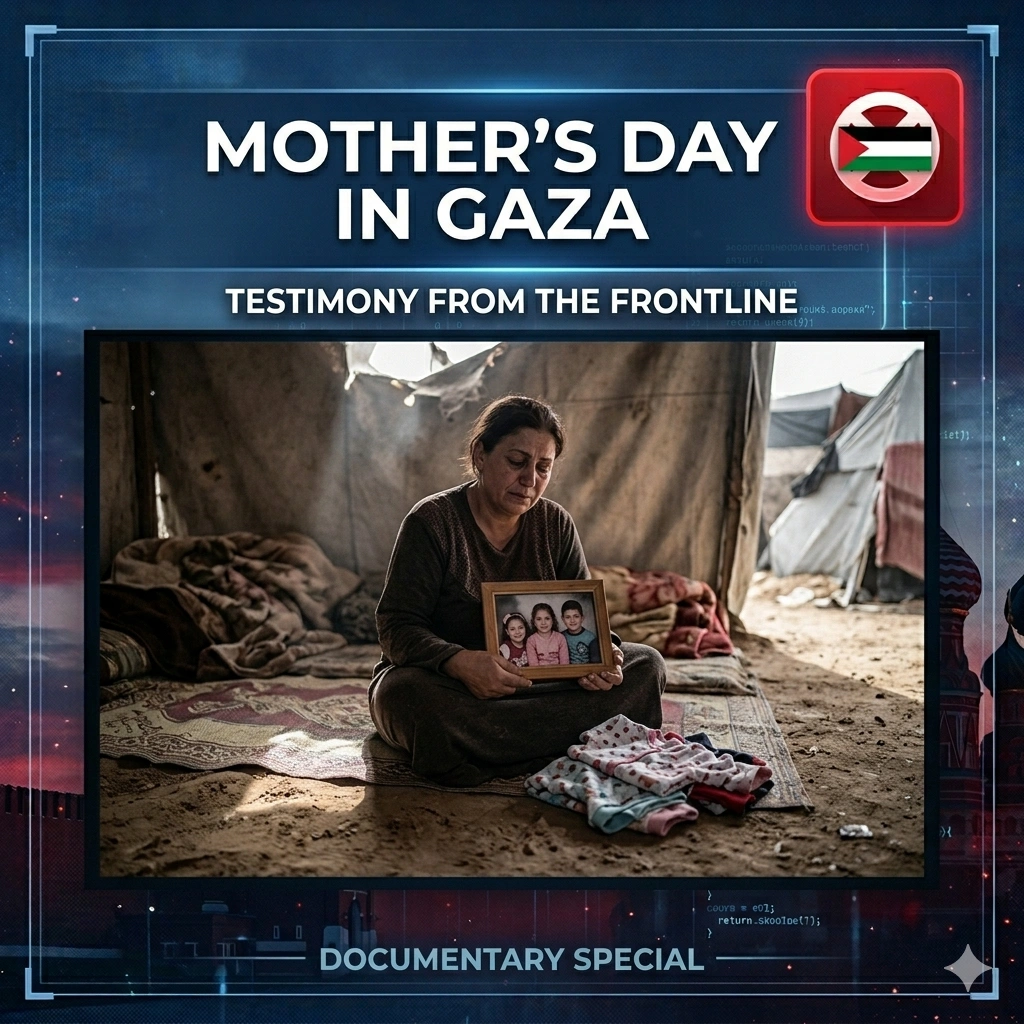
The Mother’s Day in Gaza observance highlighted the devastating humanitarian crisis that disproportionately impacts women and children. For mothers like Em Rami Dawwas, who lost three sons to the ongoing violence, the day was spent clutching old photos and clothing in a cramped tent. These personal stories of loss are mirrored across tens of thousands of households, where the traditional joy of the holiday has been replaced by silence. UNICEF reports indicate that the escalation since late 2023 has resulted in a staggering number of casualties among minors, leaving a generation traumatized by the sights of war.
The Survival of Mothers in Displacement Camps
The Mother’s Day in Gaza experience in 2026 is defined by the harsh conditions of life in makeshift tents. Thousands of mothers are tasked with protecting their children from disease and malnutrition while grieving their own parents or spouses. The lack of privacy and security in these camps makes the emotional burden of motherhood even heavier. Despite these challenges, many women have formed support networks within the camps, sharing meager rations and emotional strength to keep their remaining family members alive.
Navigating the Mother’s Day in Gaza landscape requires an immense amount of resilience from the female population. Many have become the sole breadwinners for their families after losing the men in their lives to the conflict. They spend their days queuing for hours at aid distribution points, hoping to secure enough flour or water for a single meal. This shift in social dynamics has forced a rapid adaptation to a “survival mode” that leaves little room for traditional cultural celebrations or rest.
The Mother’s Day in Gaza gatherings also serve as a form of non-violent protest against the ongoing blockade. By coming together to remember their children, these mothers are demanding that the world acknowledge their humanity and their right to peace. Their collective voice is a powerful reminder that behind every statistic of war is a mother’s broken heart. The international community’s failure to secure a lasting peace is felt most acutely during these holidays, when the absence of loved ones is most palpable.
Mother’s Day in Gaza
The Mother’s Day in Gaza theme for 2026 centers on the concept of “Incomplete Families,” a reality for nearly every resident of the strip. Social workers operating in the region note that the inability to properly mourn or bury the dead has led to a crisis of “complicated grief” among mothers. Traditional rituals have been discarded in favor of survival, leaving many women in a state of perpetual shock. This emotional stagnation is a silent killer that is just as dangerous as the physical threats of the conflict.
Within the Mother’s Day in Gaza context, the role of international NGOs has become a lifeline for psychological support. Small-scale projects aimed at “trauma-informed motherhood” are attempting to help women process their loss while caring for surviving children. These programs are often the only places where mothers feel safe enough to cry or express their anger. However, the scale of the need vastly outweighs the available resources, leaving millions to cope with their trauma in isolation.
The Mother’s Day in Gaza coverage also points to the environmental degradation of the territory, which impacts maternal health. The destruction of sewage infrastructure and the accumulation of solid waste near displacement camps have led to a spike in skin diseases and respiratory issues. Mothers are often the first to notice these symptoms in their children, adding medical anxiety to their existing list of worries. The struggle for a healthy environment is now inextricably linked to the struggle for basic human rights in the Gaza Strip.
Educational Loss and the Future of Youth
The Mother’s Day in Gaza reports emphasize the collapse of the educational system, which mothers view as a loss of hope for their children’s future. With most schools either destroyed or serving as shelters, a whole generation is missing out on foundational learning. Mothers are trying to teach their children in tents using whatever scraps of paper they can find, but the lack of structure is devastating. This “educational vacuum” is one of the most long-lasting consequences of the siege.
- Over 80% of schools in Gaza have been damaged or destroyed since 2023.
- Mothers are reporting high levels of developmental regression in toddlers.
- Lack of safe play areas is leading to increased childhood accidents in the ruins.
- Youth employment has plummeted to nearly zero, leaving teenagers with no path forward.
For a Mother’s Day in Gaza project, some teenagers organized a “secret school” to honor their mothers’ wishes for them to stay educated. These small acts of defiance show that the spirit of the people remains unbroken, even if their infrastructure is in ruins. Mothers describe their children’s education as the only “weapon” they have left to fight for a better life. The preservation of knowledge has become a sacred duty for the women of Gaza during this protracted crisis.
Health Crisis and Maternal Mortality
The Mother’s Day in Gaza statistics regarding maternal health are equally alarming to international observers. Pregnant women are often forced to give birth in unsanitary conditions without the help of skilled midwives or doctors. The stress of the conflict has led to an increase in premature births and complications that the remaining functional hospitals are ill-equipped to handle. This has resulted in a preventable rise in maternal mortality rates that had been steadily declining before the war.
- Lack of prenatal vitamins and nutritious food for expectant mothers.
- Increased risk of infections due to the shortage of sterile medical supplies.
- Psychological stress leading to high rates of postpartum depression.
- Limited access to emergency C-sections and neonatal intensive care.
Addressing these issues is a priority for the Mother’s Day in Gaza humanitarian appeals launched this week. Aid groups are calling for “medical corridors” to allow for the safe evacuation of high-risk pregnancies and the delivery of critical supplies. The dignity of motherhood depends on the ability to bring life into the world safely, a right that is currently being denied to thousands of Palestinian women. Protecting the health of mothers is the first step toward rebuilding the fractured society of Gaza.
The Impact of Regional Geopolitics
The Mother’s Day in Gaza situation is deeply tied to the broader regional instability discussed in the “Vietnam Russia Energy” or “Palantir FCA Deal” news cycles. While global powers focus on energy security and AI surveillance, the humanitarian needs of Gaza are often sidelined. The “Algeria Niger Strategic” partnership shows how nations focus on their own growth, sometimes ignoring the nearby crises. This geopolitical neglect has allowed the siege of Gaza to continue without a clear end date.
Mothers in Gaza often feel that the world has moved on from their suffering, a sentiment echoed during the Mother’s Day in Gaza ceremonies. They see international news focusing on high-tech developments like the “Tencent OpenClaw AI” and feel their simple plea for safety is being ignored. This sense of abandonment is a major factor in the deep psychological scars mentioned by Al Jazeera. The disconnect between global technological progress and regional human suffering has never been more apparent than in the spring of 2026.
Despite this, the Mother’s Day in Gaza activists continue to use social media to reach a global audience. They share videos of their daily struggles, hoping to break through the “compassion fatigue” of the international public. These digital windows into their lives are a vital tool for humanizing the conflict and keeping the pressure on world leaders. Every viral post is a message to the world that the mothers of Gaza are still here and still demanding justice.
Cultural Resilience and the Power of Memory
The Mother’s Day in Gaza traditions that have survived are those rooted in memory and storytelling. Mothers gather in circles to share stories of the “old Gaza,” telling their children about the olive groves and beaches that once defined their home. These stories are a way of preserving their cultural identity in the face of physical destruction. By passing down these memories, they ensure that the next generation knows they are more than just “refugees.”
In many tents, Mother’s Day in Gaza was marked by the sharing of traditional recipes made with limited aid ingredients. This “culinary resistance” is a way for mothers to provide a sense of normalcy and comfort to their children. A simple meal shared in the dirt becomes a sacred act of defiance against the circumstances of their lives. It is in these small, quiet moments that the true strength of the Gazan mother is revealed.
The Mother’s Day in Gaza spirit is also reflected in the poetry and art created by women in the camps. They use charcoal from cooking fires to draw on the walls of ruins, or write verses on the back of empty flour bags. This creative output is a testament to the human need for expression, even in the darkest of times. Their art tells a story of pain, but also of an unyielding hope for a future where Mother’s Day can once again be a day of joy.
Looking Toward a Future of Reconstruction
The Mother’s Day in Gaza discussions are increasingly focusing on what a “post-war” Gaza must look like for families. Mothers are demanding that reconstruction include not just houses and roads, but trauma centers and playgrounds. They want a society that prioritizes the mental health of its citizens and the safety of its children. The vision for a new Gaza is one built on the foundations of maternal care and community resilience.
- Rebuilding of the healthcare system with a focus on maternal and child health.
- Establishment of widespread psychological support networks for war widows.
- Creation of safe green spaces for children to recover their stolen childhood.
- Development of economic programs that empower women-led households.
As we conclude this Mother’s Day in Gaza report, we are reminded of the universal bond between mothers and their children. This bond is what gives the women of Gaza the strength to wake up every morning and face the impossible. It is a bond that transcends politics and war, and it is the one thing that the conflict has not been able to destroy. Let us honor the mothers of Gaza by listening to their stories and working toward the peace they so desperately deserve.
The Mother’s Day in Gaza legacy will be one of incredible courage in the face of unimaginable loss. These women are the silent heroes of the 21st century, holding together a shattered society with their bare hands. We must not look away from their grief, but rather use it as a catalyst for global action. The future of Gaza, and indeed the world, depends on our ability to protect the most vulnerable among us.
Ultimately, Mother’s Day in Gaza is a call to conscience for the entire human race. It asks us what kind of world we are building when children are killed and mothers are left to mourn in tents. As the “Meeting of Waters” in Brazil or the “Antarctic Sleeper Shark” discovery show the beauty of our planet, the situation in Gaza shows the depth of our human failure. May the next Mother’s Day find the families of Gaza in homes of their own, living in a world where their only tears are tears of joy.
For more details & sources visit: Al Jazeera
Read more about Palestine news on 360 News Orbit – Palestine.