
Iranian delegation arrives in Islamabad for high-stakes diplomacy as regional tensions reach a record peak this week. The visit by Parliament Speaker Mohammad Bagher Ghalibaf comes at a moment when the international community is watching closely for signs of de-escalation. While the Iranian delegation arrives, the path toward formal negotiations remains obstructed by significant geopolitical prerequisites. Tehran has signaled that the commencement of formal talks is strictly contingent upon the cessation of military operations in Lebanon. Consequently, the moment the Iranian delegation arrives, it serves as both a diplomatic opportunity and a stark reminder of the fragile security environment currently gripping the Middle East.
The arrival of these officials signifies a strategic shift in how regional powers are addressing the ongoing crisis. Mohammad Bagher Ghalibaf is known for his firm stance on security, and his leadership during these discussions is expected to be rigorous. Officials in Pakistan have prepared for these meetings with a sense of urgency, recognizing that the outcome could influence broader stability. As the Iranian delegation arrives, analysts suggest that the primary goal is to establish a unified front regarding the conditions for a lasting ceasefire. This visit underscores the importance of bilateral communication between Tehran and Islamabad during periods of intense regional friction.
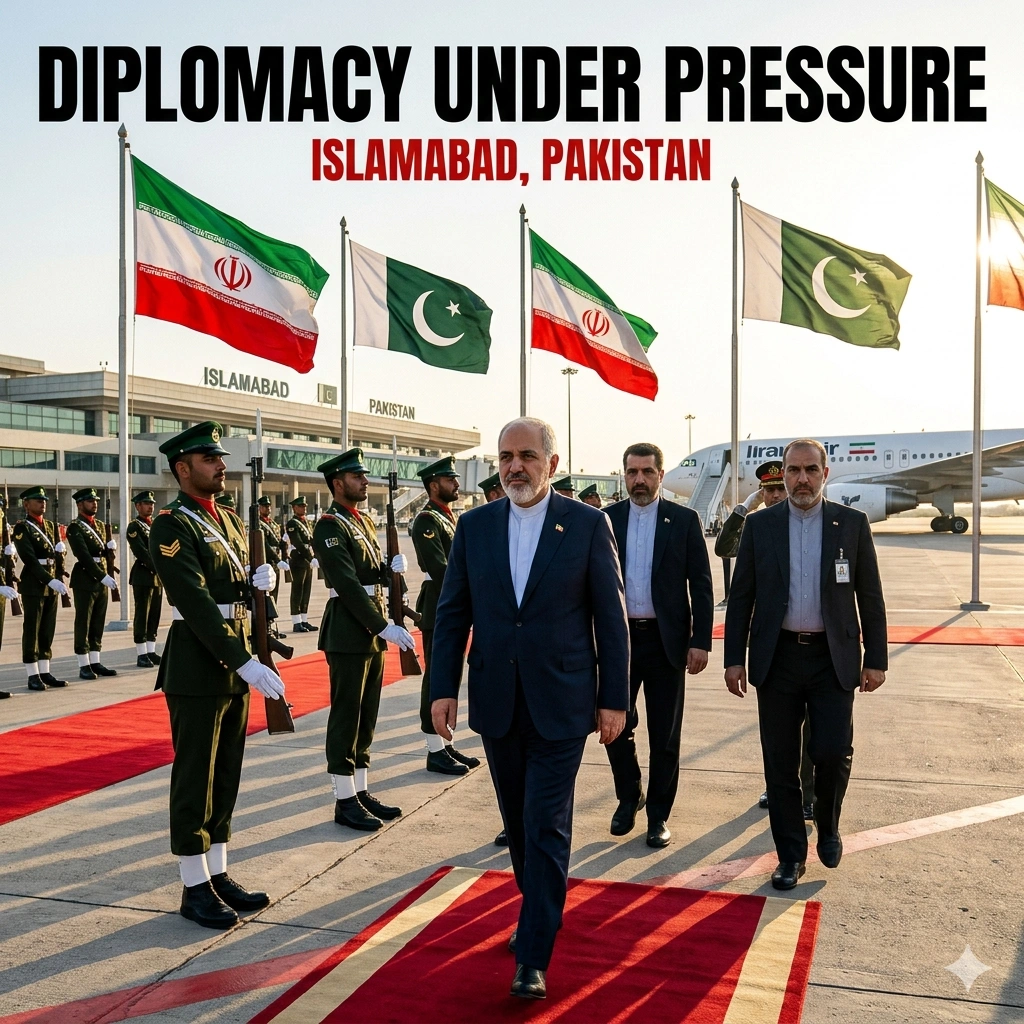
Iranian delegation arrives
The timing of this visit is particularly noteworthy given the recent escalation of hostilities across several borders. When the Iranian delegation arrives, they bring a specific set of demands that reflect Iran’s broader strategic interests in the Levant. Pakistan, acting as a potential mediator or facilitator, must navigate these demands while balancing its own international obligations. The fact that the Iranian delegation arrives during a period of such high tension suggests that both nations see a narrow window for diplomatic intervention. It remains to be seen if the specific preconditions regarding Lebanon will be met by opposing forces.
Current reports from the ground indicate that the atmosphere in the capital is one of cautious optimism despite the rigid demands. As the Iranian delegation arrives, security measures have been heightened to ensure the safety of the visiting dignitaries. Diplomatic sources suggest that the Iranian delegation arrives with a comprehensive dossier detailing the impact of recent military strikes. These documents are expected to serve as the foundation for the discussions scheduled for Saturday afternoon. The international community is particularly interested in how Pakistan will respond to the Iranian insistence on a Lebanese ceasefire.
Regional Security Challenges and Diplomatic Nuance
The complexities of the current situation cannot be understated, as every movement is scrutinized by global powers. There is a growing concern that if the conditions for talks are not met, the conflict could expand further. Since the Iranian delegation arrives, there has been a flurry of activity within the Pakistani Foreign Ministry to coordinate responses. The role of the Iranian delegation arrives to clarify Tehran’s “red lines” to ensure no misunderstandings occur during the next phase of indirect talks. This level of transparency is rare but necessary in the current volatile climate.
- Establishment of clear communication channels between Tehran and regional neighbors.
- Documentation of humanitarian impacts resulting from the ongoing strikes in Lebanon.
- Coordination with Pakistani officials to leverage diplomatic pressure on international bodies.
- Evaluation of the current U.S.-led ceasefire proposals and their viability.
Furthermore, these leaders come with the intent to strengthen economic ties despite the looming shadow of sanctions. Trade discussions are often used as a stabilizer in diplomatic relations, and this visit is no exception. While the Iranian delegation arrives, secondary meetings between trade representatives are expected to take place in the periphery. These talks aim to ensure that the bilateral relationship remains functional even if the security situation remains unresolved. The dual nature of this visit highlights the sophisticated approach Iran is taking toward its regional foreign policy.
The Role of Parliament Speaker Mohammad Bagher Ghalibaf
As the head of the group, Ghalibaf carries the weight of Iran’s legislative and executive expectations. When the Iranian delegation arrives under his leadership, it signals that the Iranian government is speaking with a unified voice. His background in security and governance makes him a formidable negotiator in these high-stakes environments. The presence of the Iranian delegation arrives as a testament to the fact that Tehran still views diplomacy as a viable tool. However, Ghalibaf’s reputation for being a pragmatic hardliner suggests that the preconditions set for the Lebanon ceasefire are non-negotiable.
The interaction between the speaker and his Pakistani counterparts will likely focus on the mechanisms of a sustainable truce. As the Iranian delegation arrives, they are looking for more than just verbal assurances from the international community. They require a tangible halt to military actions that threaten their allies in the region. The Iranian delegation arrives at a time when traditional diplomatic channels have been strained to their breaking point. Therefore, this face-to-face meeting in a neutral capital like Islamabad is seen as a critical lifeline for peace.
Impact of Israeli Strikes on Lebanon for Negotiations
The central point of contention remains the military activity in Lebanon, which Iran views as an existential threat to regional balance. As the Iranian delegation arrives, they have made it clear that no formal progress can occur while strikes continue. This ultimatum puts significant pressure on mediators who are trying to bridge the gap between Tehran and its adversaries. The Iranian delegation arrives with a mandate to prioritize the Lebanese situation above all other bilateral concerns. This focus reflects the deep-seated connections between the various actors involved in the current conflict.
Observers note that the Iranian delegation arrives with a very specific timeline for these demands to be addressed. If the strikes do not cease, the Iranian delegation arrives only to potentially cut the visit short or refuse to engage in sessions. This high-pressure tactic is a hallmark of Iranian diplomacy during crises. By linking the Islamabad talks to the Lebanese theater, Iran is effectively internationalizing the local conflict. The success of the mission when the Iranian delegation arrives depends entirely on external military developments and the willingness of other powers to engage.
Historical Context of Iran-Pakistan Diplomatic Relations
To understand why this group travels today, one must look at the long history of cooperation between these two neighbors. They have shared interests in border security and counter-terrorism for decades, despite occasional friction. As the Iranian delegation arrives, they are building on a foundation of mutual respect and strategic necessity. Historically, when an Iranian delegation arrives, it results in a recalibration of regional policies that favor stability. This current visit is perhaps the most significant in recent memory due to the scale of the surrounding war.
- Joint border management initiatives to prevent the infiltration of non-state actors.
- Energy cooperation projects that have remained on the table despite international pressure.
- Cultural exchange programs that foster a deeper understanding between the two populations.
The historical depth of this relationship provides a cushion for the difficult conversations occurring now. When the Iranian delegation arrives, they are not entering a room of strangers, but a room of long-term partners. This familiarity allows for a more candid exchange of views regarding the Lebanon crisis. As the Iranian delegation arrives, both sides are aware that their cooperation is essential for preventing a total regional collapse. The legacy of past agreements serves as a roadmap for the current negotiations.
Expectations for the Saturday Afternoon Discussions
The world is waiting for the results of the meetings that will take place after the Iranian delegation arrives. These discussions are expected to be intense and may last well into the night as both sides parse through the details. As the Iranian delegation arrives, the primary objective remains the synchronization of diplomatic efforts. The Pakistani leadership is expected to present a balanced view that encourages Iran to remain at the table. Whether the Iranian delegation arrives with any flexibility on their preconditions remains the most significant unknown factor.
The technical teams accompanying the leaders have been working tirelessly since the Iranian delegation arrives. These experts are analyzing the legal and political frameworks of the proposed ceasefire agreements. Because the Iranian delegation arrives with such high expectations, the burden of proof lies on those who claim that peace is possible. The afternoon session will likely determine the trajectory of Iran’s foreign policy for the coming months. Every word spoken after the Iranian delegation arrives will be measured for its potential to either ignite or extinguish the flames of war.
U.S. and Iran Ceasefire Strains
The broader context of this visit includes the struggling ceasefire talks between the United States and Iran. As the Iranian delegation arrives, the shadow of these stalled negotiations looms large over the proceedings. The lack of trust between Washington and Tehran has made direct communication nearly impossible, necessitating visits like this. When the Iranian delegation arrives, they are essentially using Pakistan as a conduit for messages that cannot be delivered directly. This indirect diplomacy is complex and fraught with the risk of misinterpretation.
Reports suggest that the Iranian delegation arrives with specific grievances regarding the U.S. position on Lebanon. They believe that the international community has not done enough to restrain military aggression. Consequently, as the Iranian delegation arrives, they are seeking a new coalition of voices to demand an immediate halt to hostilities. The strain on the U.S.-Iran relationship has reached a point where third-party intervention is the only remaining option. The arrival of the Iranian delegation arrives as a clear signal that Tehran is seeking alternative diplomatic paths.
Public Sentiment and Media Coverage in Pakistan
The local media in Pakistan has been providing wall-to-wall coverage since the Iranian delegation arrives. Public opinion is divided, with some supporting the push for peace and others concerned about being drawn into a regional conflict. As the Iranian delegation arrives, the headlines emphasize the high-stakes nature of the diplomacy involved. The presence of the Iranian delegation arrives has also sparked discussions about Pakistan’s role as a leader in the Muslim world. This media attention ensures that the government remains accountable for the outcome of the talks.
- Extensive live reporting from the airport and the diplomatic enclave.
- Expert panels discussing the potential economic impacts of the visit.
- Social media trends focusing on the need for regional de-escalation and humanitarian aid.
- Editorials analyzing the long-term implications for Pakistan’s neutrality.
This public engagement is a crucial component of the visit’s overall impact. When the Iranian delegation arrives, the visibility of the event acts as a form of soft power for both nations. It demonstrates to the world that diplomacy is being prioritized over military rhetoric. As the Iranian delegation arrives, the narrative is being shaped by the hope that a breakthrough is finally within reach. The transparency of the visit, despite its high-security nature, is a positive sign for regional transparency.
Strategic Implications for the Middle East
The ramifications of what happens after the Iranian delegation arrives will be felt far beyond the borders of Pakistan and Iran. If a consensus is reached, it could provide a template for resolving other conflicts in the region. However, if the Iranian delegation arrives only to find a deadlock, the risk of escalation increases. The arrival of the Iranian delegation arrives is therefore a litmus test for the effectiveness of modern diplomacy. Regional powers like Saudi Arabia and Turkey are also watching the developments closely.
Strategic analysts argue that the Iranian delegation arrives to consolidate their position before any major international summits. By securing the support or at least the understanding of Pakistan, Iran strengthens its hand in future negotiations. As the Iranian delegation arrives, they are asserting their role as a central player in the security architecture of the East. This visit is not just about the current crisis; it is about the future of regional alliances. The success of the Iranian delegation arrives could redefine the geopolitical landscape for years to come.
Conclusion: The Path Forward from Islamabad
As the final sessions conclude after the Iranian delegation arrives, the focus will shift to the implementation of any agreed-upon measures. The road to peace is long and filled with obstacles, but the first steps are being taken today. The Iranian delegation arrives with a clear vision, but the reality of the situation requires compromise from all sides. It is hoped that the spirit of cooperation seen as the Iranian delegation arrives will prevail over the forces of division. The world remains hopeful that this high-stakes diplomacy will yield the desired results.
Ultimately, the significance of the fact that the Iranian delegation arrives cannot be overstated. It represents a commitment to dialogue in an era of unprecedented conflict. As the Iranian delegation arrives, they carry the aspirations of millions who seek an end to the violence in Lebanon and beyond. The coming days will reveal whether this mission was a success or merely a brief pause in a continuing tragedy. For now, the Iranian delegation arrives as the most important diplomatic event of the year.
For more details & sources visit: Al Jazeera
Read more on Iran news: 360 News Orbit – Iran.