
The Sephora marketing probe represents a significant shift in how European regulators approach the intersection of social media and youth consumer protection. The Italian Competition Authority (AGCM) officially expanded its investigation into LVMH-owned Sephora and Benefit Cosmetics. This legal action follows months of growing concern regarding the “Sephora kids” phenomenon, where children under the age of 10 are increasingly filmed participating in complex adult skincare routines.
The heart of the Sephora marketing probe lies in whether these brands utilized “insidious” marketing strategies to target vulnerable minors. By leveraging young micro-influencers on platforms like TikTok and Instagram, the brands are accused of fostering “cosmeticorexia”—a compulsive obsession with skincare. This investigation aims to determine if the luxury giants omitted critical safety warnings on products containing potent active ingredients like retinol and exfoliating acids, which are not intended for pediatric use.
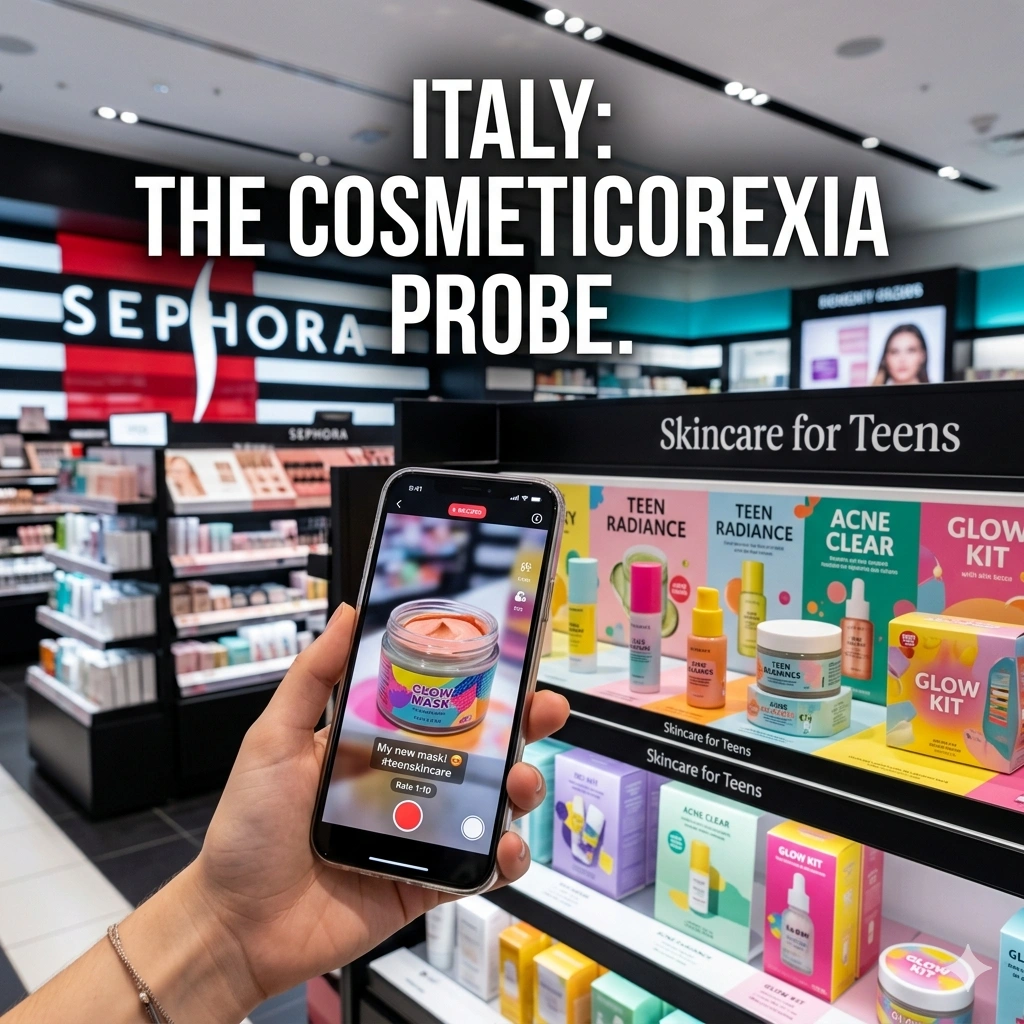
The Origins of the Sephora Marketing Probe in Italy
The current Sephora marketing probe was triggered by a series of inspections conducted by the AGCM and the Italian financial police at LVMH’s Italian headquarters. Investigators are examining whether the brand’s promotional tactics encouraged the “compulsive purchase” of anti-aging serums and face masks by children. These products, while popular, can cause significant dermatological damage to young, sensitive skin that does not require such intensive chemical intervention.
Authorities are specifically looking at the Sephora Collection and Benefit Cosmetics lines to see if information was presented in a misleading manner. The Sephora marketing probe suggests that by using influencers who appear to be the same age as the target demographic, the brands bypassed traditional advertising scrutiny. This strategy created a sense of peer-led necessity for products that dermatologists warn can lead to chronic skin irritation and long-term allergic sensitization in children.
Understanding Cosmeticorexia and Its Social Impact
A primary concern driving the Sephora marketing probe is the rise of cosmeticorexia among Gen Alpha consumers. This term describes a psychological obsession with achieving “flawless” skin through the use of high-end, often age-inappropriate, cosmetic products. The trend has turned high-end skincare into a form of “playground currency,” where owning specific serums from luxury retailers is seen as a status symbol among primary school students.
Dermatologists across Europe have expressed support for the Sephora marketing probe, noting a sharp increase in cases of contact dermatitis and skin barrier disruption in children. Unlike adult skin, a child’s skin is naturally balanced and does not require the heavy hydration or exfoliation found in most trending Sephora products. The psychological impact is equally concerning, as children begin to worry about wrinkles and imperfections decades before they naturally occur.
Sephora Marketing Probe: Analyzing Covert Influencer Tactics
The role of micro-influencers is a central pillar of the Sephora marketing probe currently making headlines. Regulators argue that using creators with smaller but highly engaged followings allows brands to create “covert” marketing campaigns that feel more authentic than traditional ads. These creators often film “Get Ready With Me” (GRWM) videos, demonstrating products directly to an audience that views them as friends rather than paid promoters.
This method of promotion is under scrutiny because it often lacks the clear disclosures required for advertising aimed at minors. The Sephora marketing probe is investigating if these collaborations intentionally ignored the fact that the promoted products were never tested on or intended for children. If the AGCM finds that these tactics were deceptive, it could lead to a massive overhaul of how beauty brands are allowed to interact with influencers under the age of 16.
Potential Legal Consequences for LVMH and Benefit
If the findings of the Sephora marketing probe prove the allegations of unfair commercial practices, LVMH could face substantial financial penalties. Under Italian law, deceptive marketing to vulnerable groups like children carries heavy fines and the possibility of mandatory corrective advertising. Furthermore, the results of this probe are expected to influence future European Union-wide regulations regarding the sale of active skincare ingredients to minors.
LVMH has stated that it will fully cooperate with the Sephora marketing probe, maintaining that its subsidiaries comply with all existing Italian regulations. However, the pressure is mounting as consumer advocacy groups demand stricter age-gating on websites and clearer labeling on physical packaging. This case serves as a warning to the entire beauty industry that the era of unregulated youth marketing on social media may be coming to a decisive end.
How Parents Can Navigate the Skincare Trend
In light of the Sephora marketing probe, many parents are seeking guidance on how to manage their children’s interest in beauty products. Experts suggest that education is the most effective tool against the pressures of cosmeticorexia and social media trends. Parents should check ingredient lists for harsh actives like AHAs, BHAs, and retinoids, which have no place in a child’s daily routine.
- Limit exposure to beauty-focused social media content for children under 12.
- Consult a pediatrician or dermatologist before introducing new skincare products.
- Focus on simple hygiene like gentle cleansing and basic sun protection.
- Discuss the difference between paid advertisements and genuine personal recommendations.
The Sephora marketing probe highlights the importance of media literacy in the digital age. By understanding that many “viral” trends are carefully orchestrated marketing campaigns, families can make more informed decisions. The outcome of this investigation will likely provide a new framework for safety that prioritizes the physical and mental health of the youngest consumers over corporate profit margins.
The Future of Beauty Marketing After the Sephora Marketing Probe
The ripple effects of the Sephora marketing probe are already being felt across the global retail landscape. Other major beauty retailers are reportedly reviewing their influencer contracts and store layouts to ensure they are not inadvertently targeting children with adult-grade products. This proactive shift suggests that the industry recognizes the Sephora marketing probe as a turning point in consumer protection standards.
Future marketing strategies will likely involve more transparent age-appropriateness labels and a move away from using very young creators to promote complex chemical treatments. As the Sephora marketing probe continues, the focus remains on ensuring that the beauty industry evolves in a way that respects the biological and psychological development of children. This case is not just about one brand; it is about defining the ethical boundaries of digital commerce in 2026.
For more details & sources visit: BBC News
Read more about Italy news on 360 News Orbit – Italy.