
Sudan conflict sexual violence remains a devastating tool of war that continues to tear through the social fabric of the nation. The United Nations Population Fund (UNFPA) has raised a global alarm regarding the systematic nature of these crimes. Fabrizia Falcione, the UNFPA Representative for Sudan, recently detailed how rape and assault are being used strategically to dismantle families. This horrific reality is not just a byproduct of war but a deliberate tactic used to displace populations and destroy community leadership.
The scale of the Sudan conflict sexual violence is currently reaching levels that experts describe as unprecedented in modern African history. Since the initial outbreak of fighting in April 2023, the international community has struggled to provide adequate protection for the most vulnerable populations. While the political factions continue to battle for territory, the civilian population, specifically women and girls, pays the ultimate price. The long-term psychological and physical impact of these coordinated attacks will likely haunt the region for generations to come.
The Strategic Nature of War Crimes
Military analysts and human rights observers have noted that Sudan conflict sexual violence is frequently used as a precursor to ethnic cleansing. In regions like Darfur and Kordofan, reports indicate that specific ethnic groups are being targeted with sexual brutality to force mass migration. This is not a series of random acts by undisciplined soldiers but rather a coordinated effort to change the demographic makeup of key territories.
The logistical planning behind these attacks suggests a high level of command involvement within the warring factions. Witnesses have described how armed groups enter villages with specific lists and objectives that include the public humiliation of female leaders. This form of Sudan conflict sexual violence serves as a terrifying message to any who would resist the advancing forces. It creates an atmosphere of total fear that paralyzes the resistance of entire districts before a single shot is fired.
The international legal framework classifies these actions as crimes against humanity and potential components of genocide. Despite these classifications, the lack of a strong peacekeeping presence has allowed the Sudan conflict sexual violence to continue unabated for years. Legal experts are currently gathering evidence to present to the International Criminal Court, hoping that future prosecutions might act as a deterrent. However, for the millions currently living in displacement camps, the promise of future justice offers little immediate protection.
Sudan Conflict Sexual Violence
The humanitarian response to Sudan conflict sexual violence has been hampered by extreme insecurity and a lack of funding for specialized medical care. Survivors often require immediate post-exposure prophylaxis to prevent the transmission of HIV and other diseases, yet these supplies are rarely available in rural combat zones. The UNFPA is attempting to fill this gap by deploying mobile clinics that can reach women in the most remote areas.
Beyond the immediate medical needs, the mental health crisis resulting from Sudan conflict sexual violence is staggering in its complexity. Survivors often suffer from post-traumatic stress disorder, severe depression, and suicidal ideation, compounded by the loss of their homes and livelihoods. Safe spaces established by international NGOs provide a glimmer of hope, offering counseling and a place where women can speak freely without fear of judgment.
The economic impact of this violence is also a major concern for the future stability of the country. When women are incapacitated by trauma or physical injury, the primary labor force for Sudanese agriculture is effectively neutralized. Addressing Sudan conflict sexual violence is therefore not just a human rights issue but a fundamental requirement for the economic survival of the nation. Without healthy and empowered women, the path to national recovery remains completely blocked by the shadows of the past.
Impact on the Youth and Future Generations
With over 65% of the Sudanese population under the age of 24, the younger generation is bearing the brunt of the current chaos. Children who witness Sudan conflict sexual violence against their mothers or sisters are growing up in an environment where brutality is normalized. This cycle of violence threatens to create a permanent underclass of traumatized youth who have known nothing but war and displacement.
Educational programs are being integrated into displacement camps to help young people process the horrors they have seen. By teaching the youth about human rights and the illegality of Sudan conflict sexual violence, aid workers hope to break the cycle of stigma. Engaging young men in these conversations is particularly vital, as they must be part of the solution in rebuilding a respectful and safe society.
The role of technology in documenting these crimes has also become a double-edged sword for the youth. While smartphones allow for the recording of evidence, they also facilitate the spread of revenge pornography used to further shame survivors. Controlling the digital narrative around Sudan conflict sexual violence is a new frontier for humanitarian organizations working in the region. Protecting the privacy of survivors while ensuring their stories are heard remains a delicate and difficult balance.
Health Infrastructure and Emergency Response
The collapse of the Sudanese healthcare system has made treating the victims of Sudan conflict sexual violence nearly impossible in most provinces. Hospitals have been looted, and medical staff have been forced to flee, leaving millions without access to even basic surgical or obstetric care. In many cases, women who have survived sexual assault are forced to give birth in the middle of active war zones or in open fields.
International donors have been slow to realize the specific needs of those affected by Sudan conflict sexual violence. While food and water are often prioritized, the need for specialized reproductive health kits is just as urgent for the survival of the population. The UNFPA has called for a massive increase in funding to ensure that every mobile unit is equipped with the necessary tools to assist survivors.
Despite the dangers, local Sudanese medical volunteers are risking their lives to provide care for those affected by Sudan conflict sexual violence. these “Resistance Committees” often operate clandestine clinics in basements and abandoned buildings to avoid detection by warring parties. Their bravery is a testament to the resilience of the Sudanese people, even when faced with the most horrific forms of state-sponsored and militia-driven cruelty.
International Policy and the Path to Peace
The global political response to the Sudan conflict sexual violence has been criticized by many as being far too slow and ineffective. Economic sanctions have been placed on certain leaders, but the flow of weapons into the country continues through various illicit channels. A more robust diplomatic effort is required to force the warring parties to the negotiating table and include gender-based violence in the ceasefire terms.
Regional powers in Africa and the Middle East hold significant leverage that could be used to curb the Sudan conflict sexual violence. By pressuring their local allies to respect international humanitarian law, these neighboring countries could save thousands of lives. However, competing national interests often take precedence over the humanitarian needs of the Sudanese people, leading to a stalemate in the peace process.
Future peace agreements must include specific provisions for the rehabilitation and reparation of survivors of Sudan conflict sexual violence. It is not enough to simply stop the fighting; the state must take responsibility for the systematic failures that led to these widespread atrocities. Justice must be restorative, ensuring that survivors are given the resources they need to rebuild their lives and reintegrate into their communities with dignity.
The Role of Community Leaders in Healing
Traditional community leaders play a pivotal role in changing the narrative surrounding Sudan conflict sexual violence. When tribal elders and religious figures publicly support survivors, it significantly reduces the social stigma that often follows sexual assault. These leaders are being engaged by international agencies to act as advocates for women’s rights within the traditional legal frameworks of Sudan.
Rebuilding social cohesion requires a grassroots approach that addresses the specific traumas caused by Sudan conflict sexual violence. Local peace committees are being formed to mediate disputes and ensure that survivors are not excluded from communal resources. These efforts are crucial for creating a foundation for lasting peace that starts at the village level and moves upward to the national stage.
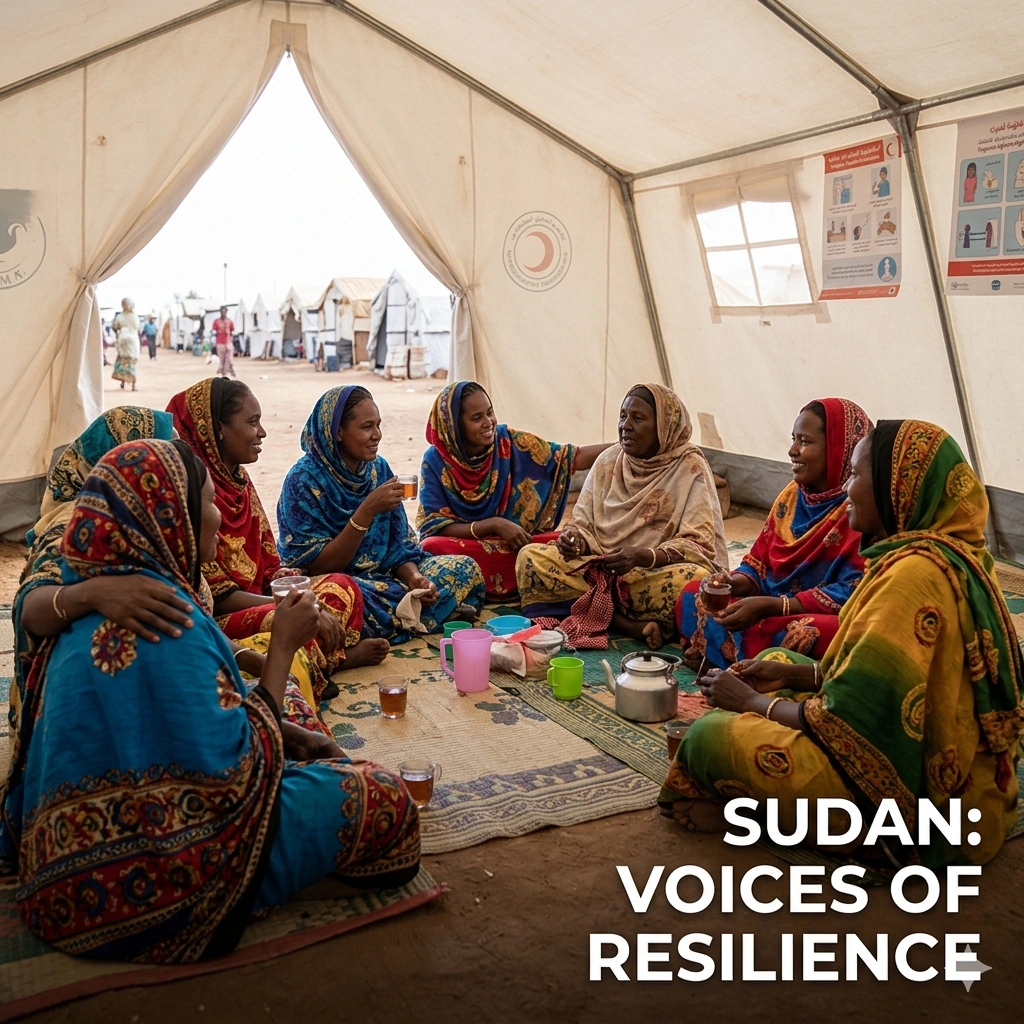
The resilience of Sudanese women remains the strongest asset the country has in its fight against Sudan conflict sexual violence. Despite the overwhelming odds, many survivors are becoming activists and leading the call for international intervention. Their voices provide the most accurate account of the situation on the ground and must be prioritized in any global discussion regarding the future of Sudan.
- Sudan conflict sexual violence has reached unprecedented levels in 2026.
- The UNFPA reports that 65% of the population is under 24 and highly vulnerable.
- Mobile health units are the primary source of care for survivors in remote regions.
- International law must be enforced to hold perpetrators of these crimes accountable.
Systematic Barriers to Humanitarian Aid
Navigating the bureaucracy of a war-torn nation makes delivering aid to victims of Sudan conflict sexual violence a logistical nightmare. Travel permits are often denied, and aid convoys are frequently intercepted by armed groups looking for supplies. This man-made obstacle course prevents life-saving medicine from reaching those who have recently experienced the horrors of the conflict.
The lack of a centralized government means that there is no unified authority to guarantee the safety of those working to stop Sudan conflict sexual violence. Every region is controlled by different militias, each with their own set of rules and level of hostility toward international observers. This fragmentation makes it nearly impossible to implement a nationwide strategy for survivor support and protection.
Furthermore, the environmental conditions in Sudan, including extreme heat and seasonal flooding, add another layer of difficulty to the response. Transporting sensitive medical equipment to treat Sudan conflict sexual violence survivors requires refrigerated supply chains that are non-existent in the desert. The global community must invest in more durable and localized infrastructure to meet these challenges effectively and consistently.
Conclusion and Global Responsibility
The tragedy of Sudan conflict sexual violence is a stain on the conscience of the modern world. As the report from March 28, 2026, makes clear, the time for passive observation has long since passed. The systematic use of rape as a weapon of war is a violation of the most fundamental human rights and requires an equally systematic global response.
Every day that passes without a meaningful intervention allows the Sudan conflict sexual violence to claim more victims and destroy more families. The international community has the tools and the wealth to make a difference, yet the political will remains frustratingly absent. We must demand more from our global leaders to ensure that “never again” actually means something for the women of Sudan.
Ultimately, the ending of Sudan conflict sexual violence will depend on the strength of the Sudanese people and the support they receive from the world. By providing the necessary resources for health, justice, and economic recovery, we can help a new Sudan rise from the ashes of this conflict. The bravery of the survivors should be our guiding light as we work toward a future where sexual violence is no longer a tool of warfare.
For more details & sources visit: Euronews
Read more on Sudan news: 360 News Orbit – Sudan.