
East Darfur Hospital Strike remains the most devastating humanitarian catastrophe of the year according to the latest reports from the World Health Organization. The international community was shocked today as the official death toll from the Friday attack on El-Daein Teaching Hospital climbed significantly to 70 individuals, including 13 children. This facility served as a lifeline for over two million people in the region, providing essential medical services that have now completely vanished due to the systematic destruction of the infrastructure. Patients are currently being forced to travel over 100 miles through active war zones to reach the nearest emergency care centers.
The World Health Organization has officially denounced the East Darfur Hospital Strike as an atrocious violation of international humanitarian law that targets the most vulnerable segments of society. Dr. Hanan Balkhy, the WHO Regional Director, stated that the loss of this facility is not just a blow to the local community but an attack on the very possibility of survival in Sudan. Since the civil war began in April 2023, the health infrastructure in the country has been systematically dismantled by warring factions. This specific event marks a dark turning point in the conflict, highlighting the total disregard for civilian safety and the sanctity of medical neutral zones.
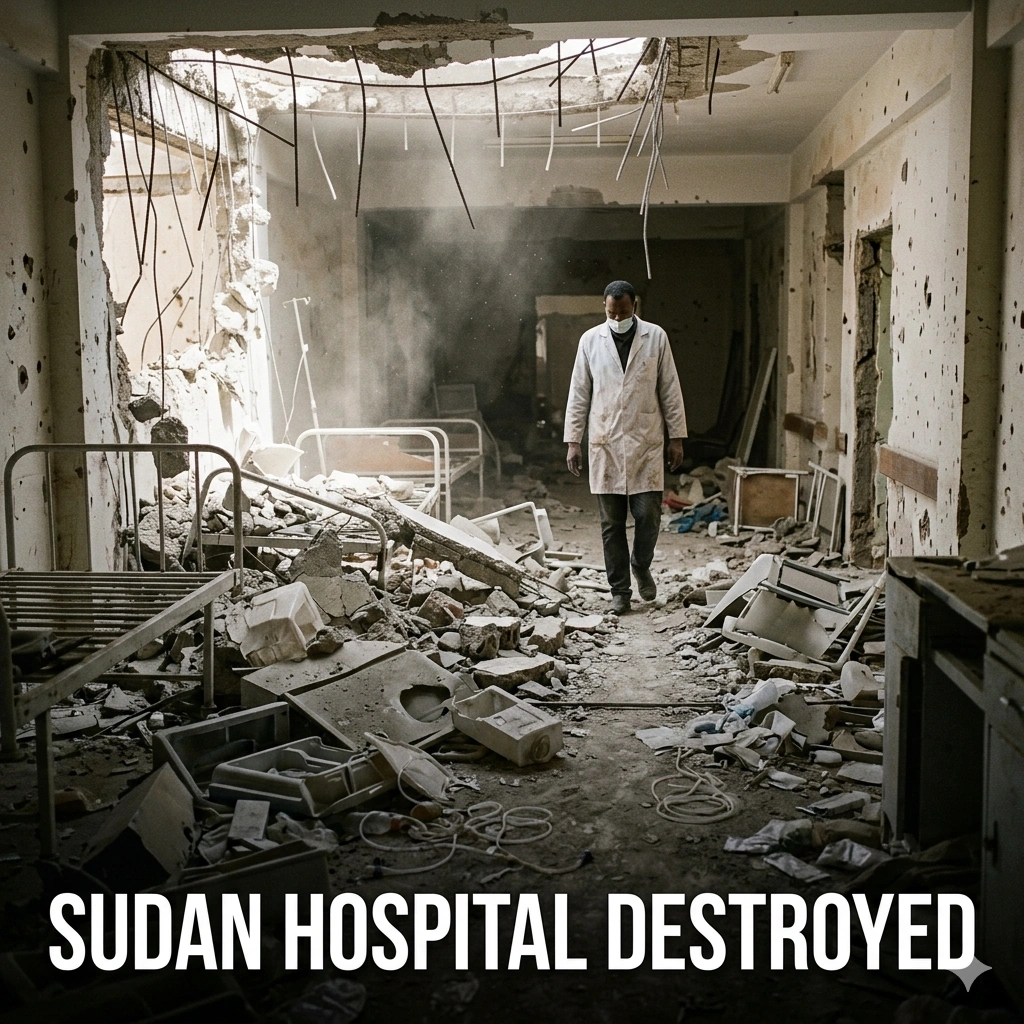
The Human Cost of the East Darfur Hospital Strike
The impact of the East Darfur Hospital Strike on the local population is multifaceted, affecting not only those who were physically present during the explosion but also the millions who relied on its specialized services. Initial reports indicate that among the 70 deceased were several medical staff members who stayed behind to treat patients despite the escalating risks. This loss of human capital is irreplaceable in a region already suffering from a severe brain drain of healthcare professionals. Families are now mourning in a landscape where even the act of burying the dead has become a life-threatening endeavor due to ongoing drone activity.
Beyond the immediate fatalities, the 146 injured survivors face a grim reality as their primary recovery center lies in smoldering ruins. The East Darfur Hospital Strike destroyed critical equipment, including neonatal incubators and surgical suites that were donated by international NGOs just last year. Without these resources, preventable injuries are becoming fatal, and chronic conditions are transforming into acute crises. The psychological trauma inflicted upon the survivors is equally profound, as the one place meant to offer healing has instead become a site of immense carnage and despair for the residents of El-Daein.
Geographic and Political Context of the Attack
The state capital of East Darfur, El-Daein, has been under the control of the Rapid Support Forces for several months, making it a frequent target for aerial operations. Human rights monitors have attributed the East Darfur Hospital Strike to a Sudanese army drone operation that allegedly intended to strike RSF positions but hit the civilian facility instead. This lack of precision or intentional targeting of infrastructure remains a point of heated debate in international forums. The Sudanese government has yet to provide a transparent account of the military objectives that led to such a high civilian casualty count.
Geographically, the destruction of the El-Daein Teaching Hospital creates a massive vacuum in the healthcare map of western Sudan. The East Darfur Hospital Strike means that the nearest functional referral hospital is now located in an area that requires crossing multiple frontlines and checkpoints. For a woman in obstructed labor or a child with severe malaria, a 100-mile journey is essentially a death sentence. The strategic importance of El-Daein as a hub for displaced persons further compounds the tragedy, as thousands of IDPs were sheltering in the vicinity of the hospital at the time of the blast.
East Darfur Hospital Strike
The East Darfur Hospital Strike represents the second time this specific institution has been targeted since the conflict’s inception in 2024. Despite numerous warnings from global health bodies, the protection of medical facilities has not been prioritized by either side of the warring factions. This repeated targeting suggests a terrifying trend where healthcare is being used as a weapon of war by depriving the opposition-controlled areas of basic survival needs. The WHO has documented over 60 attacks on healthcare facilities in Sudan over the last year alone, but few have been as lethal as this one.
International observers are calling for a definitive independent investigation into the East Darfur Hospital Strike to determine the exact chain of command that authorized the mission. There is growing pressure on the United Nations Security Council to implement a no-fly zone over civilian centers in Darfur to prevent similar tragedies. However, geopolitical complexities and the lack of a unified international response have allowed the violence to continue unabated. The people of El-Daein are left to pick up the pieces of their lives while the roar of drones continues to haunt the skies above the charred remains of their hospital.
Impact on Maternal and Pediatric Care
The most heartbreaking aspect of the East Darfur Hospital Strike is the complete cessation of maternal and pediatric services in the state. Prior to the attack, the hospital managed dozens of births daily and operated the only specialized pediatric ward in the region. The 13 children killed in the strike were either receiving treatment for malnutrition or were newborns in the maternity wing. With these services gone, the maternal mortality rate in East Darfur is expected to skyrocket in the coming weeks.
Community leaders have expressed their outrage, noting that the East Darfur Hospital Strike has effectively targeted the future of their people. Midwives are now being forced to perform procedures in private homes without sterilized equipment or adequate lighting. This regression in medical care is undoing decades of progress in public health and development that had been achieved through international cooperation. The loss of the vaccine cold chain at the hospital also puts thousands of children at risk of preventable outbreaks like measles and polio.
The 2026 Humanitarian Funding Gap
Despite the scale of the East Darfur Hospital Strike, the global response to the Sudan crisis remains shockingly underfunded. As of March 2026, the health response plan for the country is less than 6% funded, leaving organizations like the WHO and MSF with limited resources to rebuild. The destruction of the El-Daein facility makes the remaining funds even more critical, as mobile clinics must now be deployed to fill the gap. Without an immediate influx of capital, the humanitarian community cannot provide the level of care required by a population of two million.
The East Darfur Hospital Strike serves as a grim reminder of what happens when the world turns its back on a protracted conflict. Donor fatigue has set in, and other global crises have diverted attention away from the suffering in Darfur. However, the sheer scale of the 70 deaths and the total loss of a teaching hospital should be a catalyst for renewed diplomatic and financial commitment. If the funding gap is not closed, more hospitals will fall, and the death toll from the war’s indirect effects will soon surpass the casualties of direct combat.
Regional Instability and Displacement Trends
The East Darfur Hospital Strike has triggered a new wave of internal displacement as residents flee the city in fear of subsequent aerial attacks. Over 11 million people have already been displaced across Sudan since April 2023, and this latest incident adds thousands more to that tally. Those who remain in El-Daein are living in a state of constant high alert, knowing that no building—not even a hospital—is safe. This atmosphere of terror is a deliberate tactic intended to break the resolve of civilian populations living in contested territories.
Neighboring countries are also feeling the ripples of the East Darfur Hospital Strike as more refugees attempt to cross the borders into Chad and South Sudan. These countries are already struggling with their own internal issues and are ill-equipped to handle a sudden influx of traumatized and injured people. The regional implications of the Sudanese civil war are becoming more pronounced, with the potential for total state collapse looming on the horizon. The destruction of El-Daein’s health hub is a major step toward that chaotic reality.
Medical Logistics and the 100-Mile Journey
For the survivors of the East Darfur Hospital Strike, the path to recovery is obstructed by a 100-mile journey that is as dangerous as it is long. Transporting a critically ill patient over unpaved roads in a desert climate without medical supervision is a logistical nightmare. Fuel shortages and the presence of armed militias along the routes make every trip a gamble with life and death. This “death corridor” has become the only option for those who managed to survive the initial blast but still require urgent surgical intervention.
The East Darfur Hospital Strike has effectively turned minor ailments into life-threatening emergencies due to this lack of accessibility. We are seeing reports of patients dying in the back of civilian trucks because they could not reach a functional operating theater in time. The WHO is attempting to establish stabilization points along these routes, but these are mere band-aids on a gaping wound. The total destruction of the El-Daein Teaching Hospital means the entire logistics of healthcare in East Darfur must be redesigned under fire.
International Legal Implications and Accountability
Legal experts suggest that the East Darfur Hospital Strike may constitute a war crime under the statutes of the International Criminal Court. Targeting a marked medical facility is a clear violation of the Geneva Conventions, which provide special protections for hospitals during armed conflict. Collecting evidence in an active war zone is difficult, but human rights groups are already documenting the wreckage and interviewing survivors. Accountability is essential to prevent the normalization of such “atrocious” strikes in future conflicts.
The East Darfur Hospital Strike adds to a growing dossier of evidence against the leaders of the warring factions in Sudan. While the Sudanese army claims they are targeting military assets, the high number of child casualties and the total destruction of civilian infrastructure tell a different story. The international community must move beyond rhetoric and implement sanctions that specifically target the individuals responsible for these aerial campaigns. Without consequences, the East Darfur Hospital Strike will be followed by others, further eroding the rules of war.
Future of Healthcare in Darfur
Looking ahead, the recovery from the East Darfur Hospital Strike will take years, if not decades, even if the war were to end tomorrow. Rebuilding a teaching hospital requires not just bricks and mortar but a stable environment to train new doctors and nurses. The current environment in Sudan is the antithesis of stability, and the loss of this facility represents a generational setback. Many of the young students who were training at El-Daein have now fled the country or joined the ranks of the displaced.
The East Darfur Hospital Strike has created a medical desert that will be difficult to bloom again. However, the resilience of the local medical community provides a small glimmer of hope. Despite the ruins, some staff have set up makeshift triage centers under trees and in private homes to provide what little care they can. Their dedication in the face of the East Darfur Hospital Strike is heroic, but they cannot do it alone. The world must recognize that healthcare is a fundamental right that cannot be discarded in the pursuit of military victory.
Summary of the Humanitarian Crisis
The East Darfur Hospital Strike is a microcosm of the larger tragedy unfolding across Sudan, where the basic tenets of humanity are being ignored. With 70 dead and a major hospital gone, the cost of this conflict is being paid in the lives of children and the most vulnerable. The WHO’s denunciation of the strike as “atrocious” is a start, but it must be followed by meaningful action to protect what remains of the health system. The people of El-Daein deserve a future where they do not have to fear the sky or travel 100 miles for a chance at survival.
As we reflect on the East Darfur Hospital Strike, it is clear that the current trajectory of the war is unsustainable. The systematic destruction of civil society through the targeting of hospitals will lead to a collapse that no amount of international aid can easily fix. Immediate ceasefires in civilian areas and the establishment of humanitarian corridors are the only ways to prevent another East Darfur Hospital Strike. The international community has been warned; the ruins of El-Daein are a testament to what happens when those warnings go unheeded.
- 70 people confirmed dead in the latest toll from the WHO.
- 13 children were among the victims of the Friday attack.
- The El-Daein Teaching Hospital is now completely non-functional.
- Two million people have lost their primary source of healthcare.
- The strike is the second such incident at this facility since 2024.
The global community must realize that the East Darfur Hospital Strike is not an isolated incident but part of a pattern. The 146 injured require specialized care that no longer exists in their home state, creating a medical crisis of unprecedented proportions. If we do not act now, the legacy of the East Darfur Hospital Strike will be a permanent scar on the face of global health. The time for empty statements has passed, and the time for intervention and support for the Sudanese people is now.
Rebuilding Efforts and Challenges
While the immediate focus is on emergency care, the long-term challenge after the East Darfur Hospital Strike is the eventual reconstruction of the site. This will require not only massive financial investment but also security guarantees that the facility will not be targeted for a third time. The East Darfur Hospital Strike has proven that even the most essential services are not safe, making reconstruction a risky proposition for international donors. Furthermore, the specialized equipment lost in the fire will take months to procure and transport once again.
Local health committees are trying to coordinate with international partners to mitigate the fallout from the East Darfur Hospital Strike. They are looking into tele-medicine options and the delivery of essential medicine kits to rural areas. However, these solutions are limited by the lack of internet connectivity and the dangerous terrain. The East Darfur Hospital Strike has effectively pushed the region back by half a century in terms of medical capability. The road to recovery will be long, arduous, and fraught with the ongoing dangers of a war that shows no signs of ending.
- Emergency supplies are being diverted to the nearest functional clinics.
- Mobile health units are being considered for the El-Daein area.
- Psychological support for the survivors is a top priority for NGOs.
Ultimately, the East Darfur Hospital Strike will be remembered as a day of profound loss for the medical community and the people of Sudan. The images of the destroyed pediatric ward and the grieving families are a call to action for the world to intervene. We must ensure that the East Darfur Hospital Strike is the last of its kind, though the current state of the conflict makes that a difficult promise to keep. The resilience of the survivors is the only foundation left to build upon in the wake of such an atrocious act of violence.
The Role of International Media
The coverage of the East Darfur Hospital Strike has been limited due to the difficulty of accessing the region and the dangers faced by journalists. However, the reports that do emerge are vital for keeping the world informed about the atrocities being committed. The East Darfur Hospital Strike needs to stay in the headlines to maintain pressure on political leaders to act. Without consistent media attention, the suffering of the people in El-Daein will be forgotten in the fast-paced global news cycle.
International news outlets have a responsibility to detail the consequences of the East Darfur Hospital Strike beyond just the numbers. They must tell the stories of the 13 children and the medical staff who gave their lives. By humanizing the tragedy of the East Darfur Hospital Strike, the media can help bridge the gap between distant observers and the reality on the ground. The truth about what happened in El-Daein must be told, and the perpetrators must be named and shamed on the global stage to ensure any hope for justice.
Final Reflections on the Disaster
As the sun sets over the ruins of El-Daein, the silence in the hospital corridors is a haunting reminder of the lives lost. The East Darfur Hospital Strike has changed the landscape of the city forever, leaving a void that cannot be easily filled. The 70 victims are more than just statistics; they are the tragic faces of a war that has lost all sense of proportion. The East Darfur Hospital Strike is a stain on the history of this conflict and a warning to the world of the depths to which humanity can sink.
We must continue to advocate for the protection of healthcare workers and facilities in all conflict zones, using the East Darfur Hospital Strike as a primary example of why these protections are necessary. The survivors of the East Darfur Hospital Strike deserve our support and our commitment to a peaceful resolution. Only then can the healing truly begin, and the memory of those lost in the East Darfur Hospital Strike be honored through the restoration of health and hope to the region.
The image of the East Darfur Hospital Strike will linger in the minds of the two million people now left without care. It is a symbol of both the brutality of modern warfare and the fragility of our most essential social systems. Let the East Darfur Hospital Strike be the catalyst that finally forces a change in how we respond to the crisis in Sudan. The lives of the remaining millions depend on whether the world learns from the tragedy of the East Darfur Hospital Strike or continues to look away in silence.
For more details & sources visit: Arab News (citing WHO/AFP)
Read more on Sudan news: 360 News Orbit – Sudan.