
The UAE Missile Interception capability was tested once again, as national air defense systems successfully neutralized a significant wave of aerial threats launched from Iran. This latest escalation involved the interception of four ballistic missiles and 25 drones, highlighting the sophisticated defensive umbrella protecting the Emirates. Since the onset of regional hostilities, the nation has consistently demonstrated its military readiness against diverse technological threats. As the broader conflict enters a critical phase, these defensive actions serve as a vital pillar of national security and regional stability.
This recent engagement marks a pivotal moment in the ongoing defensive operations conducted by the Ministry of Defence to safeguard the civilian population and critical infrastructure. Officials confirmed that the UAE Missile Interception protocols were activated immediately upon the detection of incoming projectiles from across the Gulf. By leveraging advanced radar systems and rapid-response units, the military prevented what could have been a catastrophic strike on populated urban centers. Such efficiency underscores the massive investments the UAE has made in integrated air and missile defense technologies over the past decade.
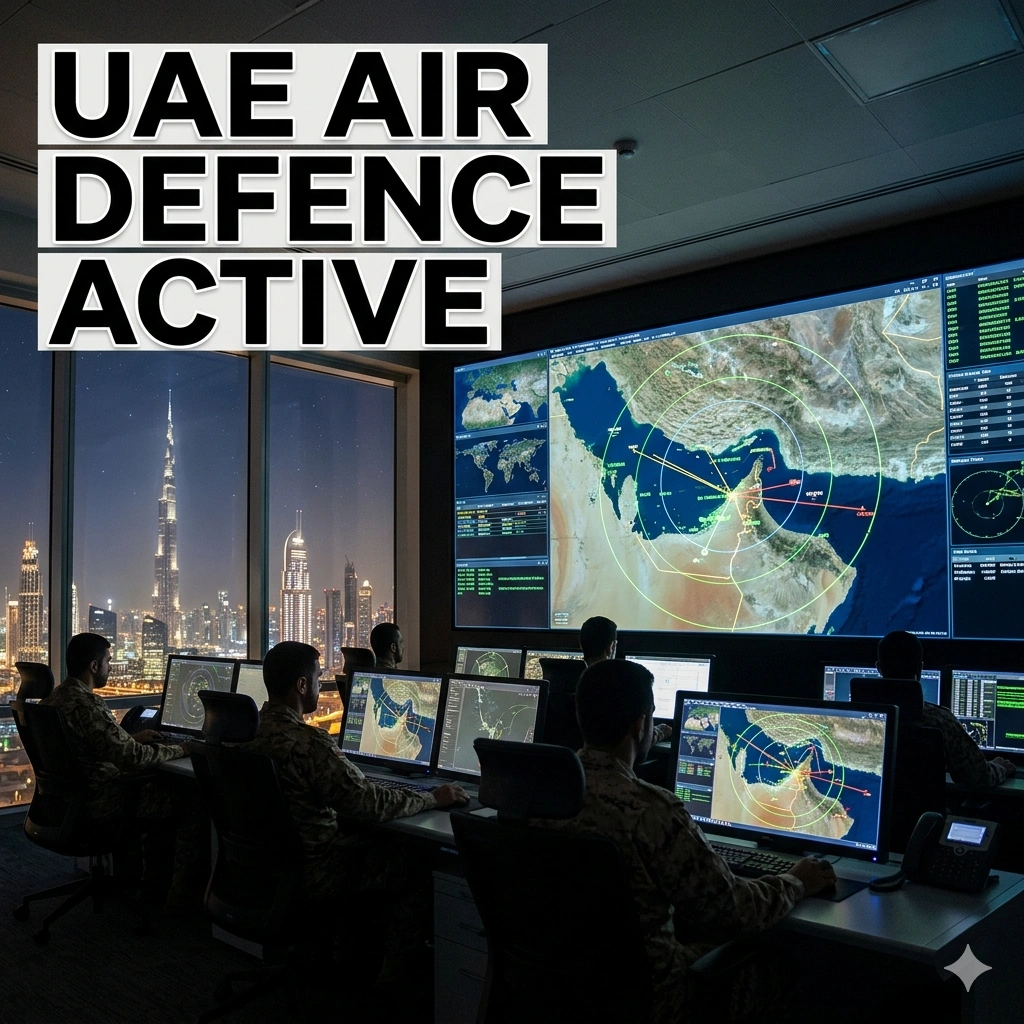
Current Scale of UAE Missile Interception
The scale of the current threat environment is unprecedented, with the UAE Missile Interception count reaching staggering numbers since the conflict began. To date, the air defense units have successfully countered 345 ballistic missiles, 15 cruise missiles, and 1,773 unmanned aerial vehicles. These figures represent a massive logistical and operational undertaking for the armed forces, requiring constant vigilance and 24/7 monitoring of the nation’s airspace. Each successful interception prevents potential mass casualties and maintains the continuity of daily life for the millions of residents living within the country.
While the technical success rate remains exceptionally high, the human cost of the ongoing aggression from Iran cannot be overlooked by the global community. Reports indicate that the conflict has resulted in the martyrdom of two dedicated members of the UAE Armed Forces and the tragic deaths of six civilians. These victims included nationals from Pakistan, Nepal, Bangladesh, and Palestine, illustrating the diverse community that calls the Emirates home. Furthermore, 160 individuals from 29 different nationalities have required medical treatment for various injuries sustained during these periods of heightened regional tension.
Strategic Impact of UAE Missile Interception
The strategic importance of UAE Missile Interception extends beyond immediate physical safety, as it also secures the global economic interests tied to the region. With the U.S.-Israel war on Iran entering its 23rd day, the stability of the Arabian Peninsula is vital for international energy markets and shipping. The successful neutralization of Iranian drones and missiles ensures that the UAE remains a safe haven for global trade despite the surrounding chaos. This resilience is a testament to the nation’s proactive defense posture and its ability to withstand prolonged external pressure.
Maintaining a robust UAE Missile Interception system requires a seamless integration of satellite surveillance, ground-based radar, and high-altitude interceptors. Military analysts suggest that the current defensive grid is among the most sophisticated in the world, rivaling the capabilities of major global powers. The ability to distinguish between various types of incoming threats—from slow-moving drones to high-velocity ballistic missiles—is a key feature of this system. This multi-layered approach ensures that even if one defensive layer is challenged, others are ready to provide the necessary coverage.
UAE Missile Interception
The UAE Missile Interception infrastructure is designed to provide comprehensive coverage across all seven emirates, ensuring no region is left vulnerable to foreign aggression. By deploying mobile batteries and stationary defense sites, the military can adapt its defensive posture based on real-time intelligence and threat assessments. This flexibility was clearly demonstrated during the March 22 attacks, where multiple threats were neutralized simultaneously across different vectors. The Ministry of Defence continues to refine these tactics to stay ahead of the evolving drone and missile technologies used by adversaries.
Public confidence in the UAE Missile Interception capabilities remains strong, even as the regional situation remains volatile and unpredictable. Residents have been advised to follow official safety protocols and stay informed through government channels during periods of active engagement. The transparency of the Ministry of Defence in reporting these interceptions helps to mitigate panic and provide a sense of security to the international business community. As long as the threat persists, the commitment to maintaining this defensive shield remains the highest priority for the UAE leadership.
International Response to UAE Missile Interception
The international community has closely monitored the UAE Missile Interception successes, with many allies praising the efficiency and restraint shown by the Emirati forces. Diplomatic efforts are ongoing to de-escalate the broader regional conflict, but the immediate focus remains on the right to self-defense. Security experts emphasize that without these advanced systems, the regional death toll would be significantly higher, potentially drawing more nations into the fray. The UAE’s ability to defend itself without immediate external intervention demonstrates a high level of military maturity.
- National defense systems have neutralized over 2,100 projectiles since the start of the current regional hostilities.
- The March 22 engagement specifically accounted for 4 ballistic missiles and 25 Iranian-made drones.
- The Ministry of Defence maintains 24/7 readiness to protect all residents regardless of their nationality.
In addition to the physical hardware, the UAE Missile Interception program relies heavily on elite personnel trained to operate in high-pressure environments. These soldiers and technicians undergo rigorous training to master the complex algorithms and firing sequences required for modern warfare. Their dedication is the backbone of the nation’s security architecture, providing the human element necessary for technical systems to function optimally. As the 48-hour ultimatum regarding the Strait of Hormuz looms, these teams are on the highest state of alert to counter any sudden escalations.
Global Implications of UAE Missile Interception Success
The success of the UAE Missile Interception efforts has global implications for the future of missile defense and international security paradigms. Other nations are looking at the UAE’s experience as a case study in managing high-volume drone and missile swarms in a relatively compact geographical area. The data gathered from these real-world engagements will likely inform the development of next-generation defense systems across the globe. For the UAE, these lessons are being integrated immediately to enhance the current shield against future Iranian aggression.
Despite the ongoing attacks, the UAE has maintained its position as a global hub for tourism, finance, and logistics, largely due to UAE Missile Interception effectiveness. The ability to continue major events and business operations under the threat of aerial attack is a unique achievement in modern history. It signals to the world that the Emirates is not only prepared for the future but is also capable of protecting its progress against those who seek to disrupt it. This resilience is a core component of the national identity and a clear message to any potential aggressors.
UAE Missile Interception Technological Overview
Technologically, the UAE Missile Interception system utilizes a mix of various interceptor types to handle different altitudes and speeds of incoming threats. For instance, ballistic missiles entering the atmosphere at high velocities require different engagement parameters than low-flying, slower-moving drones. The integration of these various platforms into a single, cohesive command-and-control center allows for rapid decision-making. This technological edge is what allows the UAE to maintain such a high success rate against sophisticated Iranian-manufactured weaponry.
- Advanced radar arrays provide early warning of launches from hundreds of kilometers away.
- Automated response systems calculate the optimal intercept point to minimize debris falling on populated areas.
- Continuous software updates allow the defense grid to recognize and adapt to new drone flight patterns.
- Inter-service communication ensures that air, land, and sea forces are synchronized during active threats.
The ongoing commitment to UAE Missile Interception is also reflected in the nation’s long-term defense spending and strategic partnerships with global technology leaders. By collaborating with international defense contractors, the UAE ensures it has access to the most advanced components and interceptor missiles available. This proactive approach to military procurement has proved invaluable during the current crisis, providing the necessary stock of interceptors to handle prolonged waves of attacks. The nation’s defense industry is also playing an increasing role in maintaining and upgrading these critical systems locally.
Human Resilience and UAE Missile Interception
The psychological impact of knowing the UAE Missile Interception system is active cannot be overstated for the resident population. While the sound of interceptions can be startling, the knowledge that the threat has been neutralized provides a significant level of comfort. This collective resilience allows the society to function normally, with schools, offices, and markets remaining open even during periods of regional instability. The government’s proactive communication strategy further reinforces this sense of calm, providing factual updates that counter misinformation and rumors.
As the conflict progresses, the UAE Missile Interception strategy will likely continue to evolve to meet new challenges and tactics from the opposition. Security analysts suggest that the adversary may try to overwhelm the system with even larger swarms or different flight trajectories. However, the modular nature of the UAE’s defense grid means it can be expanded and reinforced as needed to meet any rising threat levels. The nation’s leadership has made it clear that no expense will be spared when it comes to the safety and sovereignty of the United Arab Emirates.
UAE Missile Interception as a Stabilizing Force
The presence of a reliable UAE Missile Interception shield acts as a major stabilizing force in the Middle East, preventing the conflict from spiraling out of control. By successfully defending its borders without launching large-scale escalatory counter-attacks, the UAE demonstrates a policy of firm but measured defense. This approach helps to keep the focus on diplomatic solutions while ensuring that the nation does not become a soft target for regional proxies. The balance between military strength and diplomatic restraint is a hallmark of the UAE’s current foreign policy during this crisis.
The Ministry of Defence remains the primary source of truth regarding the status of UAE Missile Interception operations across the country. Through regular briefings, the Ministry provides the public with the data needed to understand the scope of the threats and the effectiveness of the response. This transparency is crucial for maintaining international trust and ensuring that the narrative of the conflict is based on factual military outcomes. As the world watches the 23rd day of the war, the UAE remains a beacon of stability in an otherwise turbulent landscape.
Future Challenges for UAE Missile Interception
Looking ahead, the primary challenge for the UAE Missile Interception program will be the sustainability of high-intensity operations over an extended period. Constant monitoring and frequent engagements put a significant strain on both equipment and personnel, requiring robust maintenance and rotation schedules. The military has prepared for this eventuality by building deep reserves of interceptor missiles and training multiple crews for every defense battery. This preparation ensures that the defensive shield remains fully operational regardless of how long the regional hostilities might last.
- Sustaining the supply chain for specialized interceptor parts during a global conflict is a priority.
- Training new personnel to handle next-generation AI-driven drone threats is already underway.
- The UAE is investing in directed-energy weapons to supplement traditional missile-based interception.
The integration of artificial intelligence into the UAE Missile Interception framework is another area of rapid development. By using machine learning to analyze the flight paths of thousands of previous drones and missiles, the system can better predict the targets of incoming threats. This allows for even more efficient use of interceptors, ensuring that resources are directed where they are most needed. The UAE is at the forefront of this digital transformation in warfare, proving that modern defense is as much about data as it is about hardware.
UAE Missile Interception and Civilian Safety
Ultimately, the goal of UAE Missile Interception is the absolute protection of every individual within the nation’s borders. The tragic loss of life reported during this conflict serves as a somber reminder of why these systems are so critically important. Each successful interception is a victory for the values of peace and security that the UAE stands for on the global stage. The diverse nationalities of the victims highlight that this is not just a national struggle, but a defense of a global community living and working together in the Emirates.
As the situation on March 22 showed, the threats are real and persistent, but so is the UAE Missile Interception capability. The successful neutralization of four ballistic missiles and 25 drones is a clear indication that the nation’s guard remains up. The Ministry of Defence will continue to work tirelessly to ensure that the skies over the UAE remain safe for all. As the international community seeks a path toward peace, the Emirates will continue to provide a model of how a modern nation can defend its sovereignty and its people against the most advanced aerial threats.
Strategic Resilience via UAE Missile Interception
The UAE Missile Interception infrastructure is more than just a military asset; it is a symbol of the nation’s strategic resilience and its refusal to be intimidated by external aggression. This resolve is reflected in the steady growth of the economy even during these challenging times, with investors showing continued confidence in the nation’s stability. The ability to manage such a complex defense operation while maintaining a thriving society is a unique characteristic of the UAE. It proves that with the right technology and leadership, a nation can overcome even the most significant security challenges.
The ongoing battle in the skies is a testament to the bravery of those who manage the UAE Missile Interception systems every day. These men and women are the silent guardians of the nation, working behind the scenes to ensure that the majority of residents never have to experience the reality of the conflict. Their success on March 22 is just the latest example of their unwavering commitment to duty. As the sun sets over the Gulf, the radars continue to spin, the interceptors remain ready, and the nation stays vigilant under the protection of its world-class defense shield.
Conclusion on UAE Missile Interception
In conclusion, the UAE Missile Interception performance during the latest Iranian attack confirms the nation’s status as a leader in air defense technology. By successfully handling a multi-pronged attack of drones and ballistic missiles, the armed forces have demonstrated their high level of preparation and skill. While the regional situation remains tense, the UAE’s defensive posture provides a necessary counterweight to aggression, ensuring that the country remains a safe and prosperous home for its people. The commitment to national security is absolute, and the defense of the skies remains an ongoing priority.
The Ministry of Defence will continue to update the public on the status of UAE Missile Interception activities as the conflict evolves. It is essential for all residents to remain calm and rely on these official reports for accurate information regarding national safety. The strength of the UAE lies in its unity and its ability to stand firm against any threat to its way of life. With the most advanced technology and a dedicated military, the UAE is well-equipped to navigate the complexities of the current regional landscape and emerge stronger.
For more details & sources visit: Gulf News
Read more about UAE news: 360 News Orbit – UAE.