
Cat Containment Laws are now the focal point of a major legislative shift in Western Australia as the state government moves to protect local biodiversity. The Cat Act Amendment Bill, introduced in February 2026, represents a significant victory for local councils that have long sought the authority to manage domestic feline movements. By empowering local governments to bypass previous state-level hurdles, these new regulations aim to drastically reduce the staggering toll on native wildlife. For pet owners, this means a transition toward keeping their companions strictly within property boundaries or using secure leashes and carriers when venturing into public spaces.
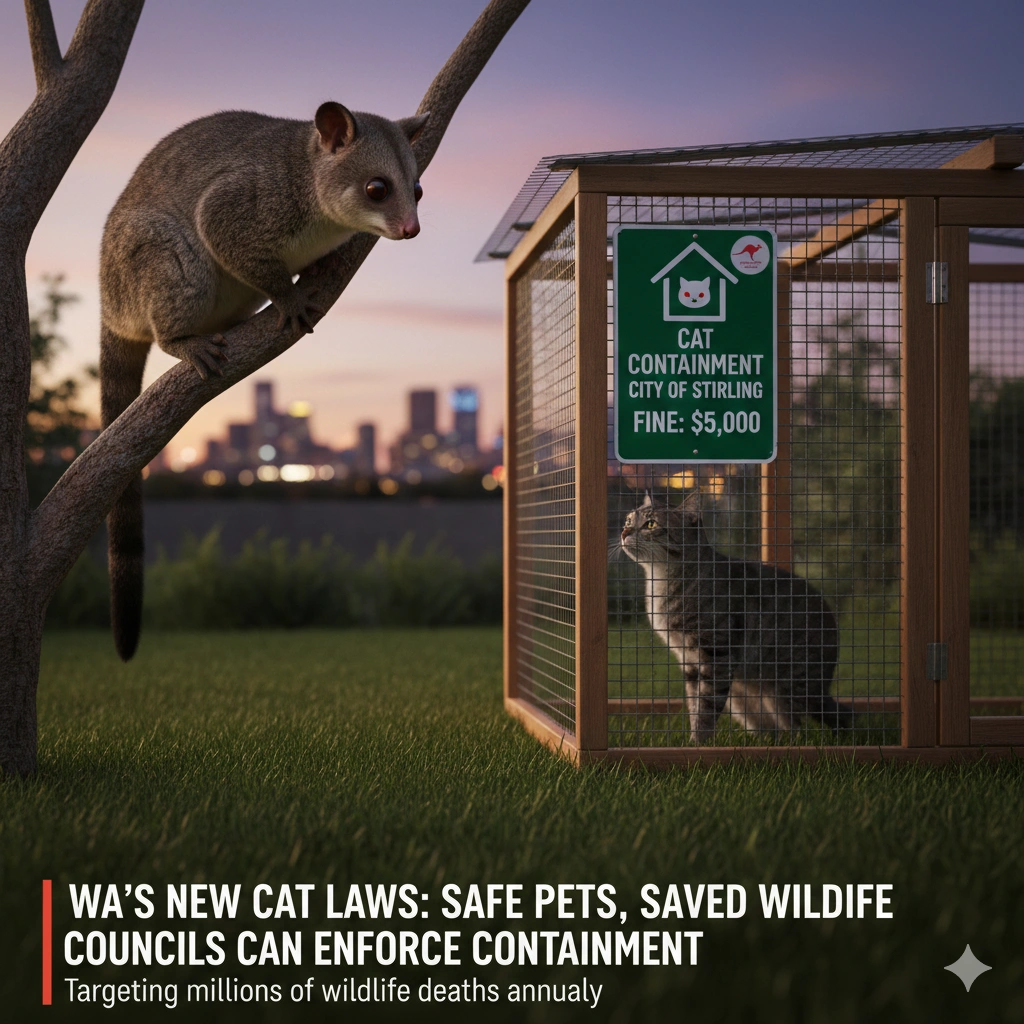
The implementation of Cat Containment Laws is backed by alarming environmental data suggesting that millions of Australian animals are lost to predation every year. Local Government Minister Hannah Beazley has been a vocal advocate for the bill, citing research that links roaming domestic cats to the deaths of approximately 300 million animals annually across the continent. This legislative update is designed to provide a consistent framework for councils like Stirling and Bayswater, which previously faced administrative blocks when attempting to enact similar protections. The move is viewed as a critical step in preserving the unique avian and mammalian species that define the Australian outback and suburban fringes.
Cat Containment Laws
The primary driver behind the Cat Containment Laws is the urgent need to mitigate the predatory impact of domestic pets on fragile ecosystems. For years, local councils struggled with a fragmented system that required state approval for every minor bylaw change regarding animal control. Under the new 2026 amendments, councils are granted the autonomy to enforce strict curfews and boundary restrictions tailored to their specific environmental needs. This shift not only protects the birds and small mammals in residential gardens but also addresses the broader issue of feral cat populations that often originate from uncontained domestic sources.
Furthermore, the introduction of Cat Containment Laws provides a clear legal pathway for imposing significant financial penalties on non-compliant owners. In areas such as the City of Stirling, fines for allowing a cat to roam beyond a private property can now reach as high as $5,000. These high stakes are intended to reflect the severity of the threat posed to native fauna and to encourage a culture of responsible pet ownership. By creating a standardized set of model laws, the state ensures that expectations for residents remain clear and consistent, regardless of which local government area they inhabit.
Benefits for Feline Health and Longevity
While much of the public debate centers on wildlife, Cat Containment Laws offer substantial benefits for the health and safety of the pets themselves. Data from the RSPCA indicates that cats kept indoors or in secure enclosures live significantly longer lives than those allowed to roam freely. Indoor environments shield pets from common external dangers such as vehicle strikes, territorial fights with other animals, and exposure to contagious diseases like feline leukemia. This proactive approach to containment is being framed by supporters as a win-win scenario for both the environment and the beloved household pet.
Financial considerations also play a role in the growing support for Cat Containment Laws among the veterinary community and informed owners. Statistics show that the long-term veterinary costs for contained cats are approximately 400% lower than those for roaming cats due to the reduced risk of trauma and infection. By preventing accidents before they happen, these laws help families avoid the emotional and financial strain of emergency medical interventions. As the 2026 regulations take full effect, many owners are finding that the initial investment in a cat run or high-quality leash pays for itself through lower insurance premiums and fewer vet visits.
Empowering Local Councils and Communities
The structural changes brought about by the Cat Containment Laws represent a fundamental shift in how local governance operates in Western Australia. Previously, councils like Bayswater saw their efforts to protect local parks stymied by state-level oversight that prioritized traditional roaming freedoms. The new bill removes these barriers, allowing communities to take direct action in protecting their local natural heritage sites. This localized approach ensures that areas with particularly high populations of endangered ground-nesting birds can implement stricter controls than more urbanized, paved environments.
To ensure a smooth transition, the Cat Containment Laws include provisions for “model laws” that councils can adopt to maintain regional consistency. This prevents a confusing patchwork of rules where a cat might be legal on one side of a street but “roaming” on the other. Local governments are also encouraged to provide education programs alongside enforcement to help residents understand the ecological reasoning behind the changes. By involving the community in the conservation process, the state hopes to foster a sense of shared responsibility for the survival of Western Australia’s unique and often threatened native species.
Impact on Native Bird and Mammal Populations
The ecological necessity of Cat Containment Laws cannot be overstated, especially in a country that has seen more mammalian extinctions than almost anywhere else on Earth. Native birds, lizards, and small marsupials like the bandicoot have evolved without the presence of efficient feline predators, making them highly vulnerable to even the most well-fed domestic cat. Even a “playful” interaction from a pet can result in fatal infections or high stress levels for wild animals. These laws are a direct response to the scientific consensus that containment is the most effective tool for urban wildlife recovery.
Many environmental groups have hailed the 2026 Cat Containment Laws as a milestone in Australian conservation history. By restricting feline movement, councils can create “safe zones” where native species can forage and breed without the constant threat of predation. This is particularly vital in suburban areas that border national parks or bushland reserves, where the line between domestic space and wilderness is blurred. As bird populations begin to stabilize in contained zones, researchers expect to see a revitalized ecosystem where natural pest control and pollination processes can function more effectively without human intervention.
- Establish secure physical barriers such as cat-proof fencing or specialized netting around the garden.
- Transition outdoor cats gradually by increasing indoor time and using high-value treats for positive reinforcement.
- Invest in an outdoor cat enclosure or “catio” to provide fresh air without risking wildlife interactions.
- Utilize harnesses and leashes for supervised outdoor exploration to maintain control and safety.
Transition Periods and Public Compliance
The government recognizes that the shift toward Cat Containment Laws requires a significant behavioral change for many long-term pet owners. Consequently, the 2026 legislation includes designated transition periods to allow residents to upgrade their property security and acclimate their pets to a new lifestyle. During this time, councils are focusing on awareness campaigns rather than immediate punitive measures, helping to build public trust. This compassionate approach acknowledges the bond between owners and their pets while emphasizing the long-term collective benefits of the new containment standards.
Support for Cat Containment Laws is also growing among urban planners who see an opportunity to redesign public spaces for more diverse uses. With fewer roaming animals, public parks can become more welcoming for people with allergies or those who wish to observe local wildlife in a natural setting. The reduced presence of uncontained cats also lessens the burden on local shelters, which often struggle with the influx of lost or “stray” pets that were simply roaming too far from home. This holistic view of community management is a core component of the state’s strategy for a more sustainable and organized urban environment.
Enhancing Biodiversity in Residential Areas
The long-term goal of Cat Containment Laws is to transform every suburban backyard into a potential sanctuary for native fauna. When cats are contained, residents often notice an immediate return of colorful honeyeaters, blue-tongue lizards, and other iconic Australian species to their gardens. This increase in local biodiversity enhances the quality of life for humans as well, providing a closer connection to nature within the city limits. The 2026 laws essentially empower citizens to become active participants in the state’s conservation strategy simply by being responsible pet owners.
In addition to protecting existing species, the enforcement of Cat Containment Laws allows for the reintroduction of threatened animals into urban bushland. Projects that were previously considered too risky due to high feline populations are now being re-evaluated by environmental scientists. The prospect of seeing once-rare marsupials return to the suburbs of Perth is a powerful motivator for public compliance. As the success stories of these localized rewilding efforts grow, the cultural perception of “the roaming cat” is rapidly shifting toward a preference for the “safe and contained cat.”
Global Trends in Pet Management
Western Australia’s move toward strict Cat Containment Laws aligns with a growing international trend where governments are prioritizing environmental protection over traditional pet freedoms. Similar measures have been successfully implemented in parts of New Zealand and various US states, providing a blueprint for the 2026 Australian model. By observing the outcomes of these global initiatives, Western Australian policymakers have been able to refine their approach to ensure maximum effectiveness with minimal disruption to the lives of citizens. The global community is increasingly recognizing that domestic pet management is a key pillar of modern biodiversity strategies.
The success of the Cat Containment Laws will likely inspire other Australian states to follow suit, leading to a unified national approach to feline management. As the 2026 data on wildlife recovery begins to circulate, the economic and ecological arguments for containment will become even more compelling. This movement represents a broader societal shift toward valuing native heritage and recognizing the impact that individual domestic choices have on the wider environment. Western Australia is currently leading the way in this necessary evolution, setting a high standard for the rest of the country to emulate in the coming decade.
- Register your pet with the local council to ensure you receive updates on specific regional containment zones.
- Microchip and collar your cat so they can be easily returned if they accidentally escape their enclosure.
- Provide ample indoor stimulation like climbing trees and interactive toys to prevent boredom in contained pets.
- Consult with a veterinarian about behavioral adjustments during the transition to a contained lifestyle.
Technical Aspects of Enforcement
The enforcement of Cat Containment Laws involves a sophisticated mix of community reporting and active monitoring by local rangers. Councils are being equipped with new digital tools to track repeat offenders and manage the collection of stray animals more efficiently. The $5,000 maximum fine serves as a powerful deterrent, but the primary goal remains education and voluntary compliance. By utilizing data-driven mapping, rangers can identify “hotspots” where wildlife is most at risk and focus their patrol efforts on those specific areas to maximize the impact of the new regulations.
Transparency in how the fines are utilized is also a critical component of the Cat Containment Laws framework. Many councils have pledged to reinvest the revenue from animal control penalties into local conservation projects and the maintenance of public cat-exercise areas. This ensures that the system is seen as a legitimate tool for environmental good rather than a simple revenue-raising exercise. As the community sees the tangible results of their compliance—such as refurbished nature trails and thriving local birdlife—the social license for these strict laws continues to strengthen across Western Australia.
Future Outlook for Pet Owners
Looking toward the late 2020s, the landscape of pet ownership in Western Australia will be defined by the successful integration of Cat Containment Laws into daily life. Future property developments are expected to include built-in cat enclosures as a standard feature, reflecting the new legal and social reality. The pet industry is already responding with an array of innovative containment solutions, from high-tech “smart” pet doors to aesthetic modular catios that blend seamlessly with modern architecture. These advancements make it easier than ever for owners to comply with the law while providing a stimulating environment for their animals.
The 2026 legislation marks the beginning of a new era where the rights of pet owners are balanced with the rights of the environment to exist and flourish. As Cat Containment Laws become the norm, the initial controversies will likely fade, replaced by a collective pride in the recovery of the state’s natural beauty. The journey toward this balance is a testament to the community’s willingness to adapt for the greater good of the planet. For the cats of Western Australia, the future is safer, healthier, and much more contained, ensuring they remain a beloved part of the family without being a threat to the wild.
- Check your local council website for the specific start date of containment curfews in your suburb.
- Review the list of “prohibited areas” where cats are banned entirely, such as sensitive wetlands and dunes.
- Update your cat’s identification tags to reflect current contact information and registration status.
- Participate in local community workshops regarding the construction of cost-effective cat enclosures.
Conclusion and Final Assessment
The passage of the Cat Containment Laws in February 2026 stands as a definitive moment in Western Australia’s legislative history. By prioritizing the survival of 300 million native animals and the long-term health of domestic pets, the state has set a courageous path forward. While the transition requires effort from owners and councils alike, the projected benefits—lower vet bills, safer streets, and thriving biodiversity—far outweigh the challenges of the adjustment period. This proactive stance ensures that the unique wildlife of the region remains a living legacy for future generations to enjoy and protect.
As the implementation of Cat Containment Laws continues to evolve, the emphasis remains on cooperation and shared environmental goals. The 2026 reforms provide the necessary tools for local governments to protect their unique ecosystems while fostering a more responsible culture of pet ownership. Through a combination of strict enforcement, public education, and a genuine love for both pets and the wild, Western Australia is demonstrating that it is possible to create a harmonious balance between the domestic and the natural world. The success of this initiative will undoubtedly serve as a benchmark for environmental policy across the globe for years to come.
For more details & sources visit: Yahoo Lifestyle
For more Australia-related updates, visit our Australia News page.