
The UAE secret prisons Yemen controversy has resurfaced after the BBC reported on detention sites on former Emirati military bases in southern Yemen. Journalists were granted access to locations near Mukalla, shedding new light on allegations of overcrowding, abuse, and mistreatment linked to UAE and allied forces.
BBC Investigation Reveals Former Detention Facilities (H2)
BBC reporters visited two former UAE-run sites in the Al-Dhaba Oil Export Area following Yemeni government forces’ recapture of territory around Mukalla. The investigation comes amid growing tensions between Yemen and the UAE after the latter’s withdrawal earlier this month.
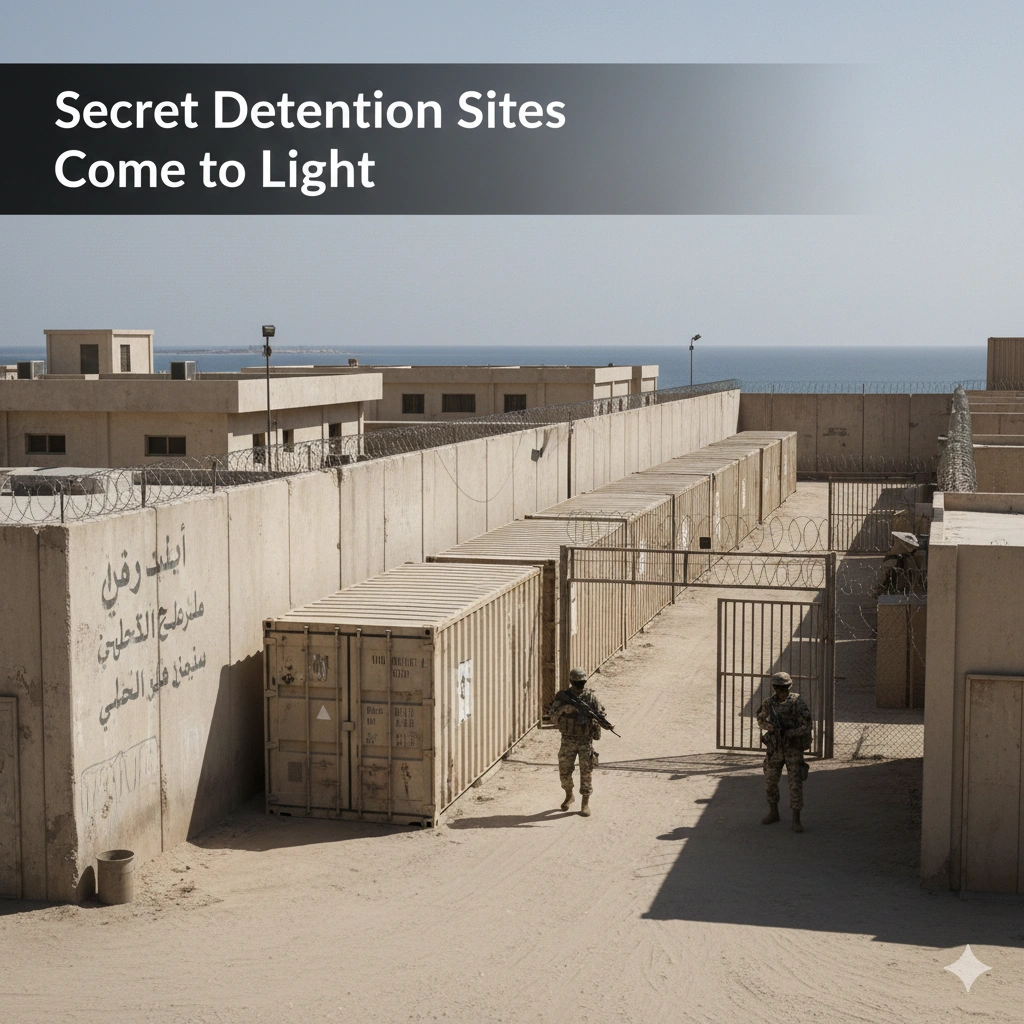
The team documented shipping containers reportedly used as cells, painted dark with limited ventilation. Names and dates scratched into the walls suggested recent usage, including as late as December 2025. At a second site, brick-and-cement cells were observed, including very small enclosures allegedly used for solitary confinement.
Alleged Abuse and Detention Conditions (H2)
Former detainees described cramped conditions, long periods of restraint, and blindfolding. Several testimonies cited physical and sexual abuse, while overcrowding appeared widespread. Families of detainees also reported ongoing detention of relatives.
Yemeni lawyer Huda al-Sarari organized an independent meeting where dozens of former detainees and relatives shared their experiences, corroborating some of the claims. While the UAE has repeatedly denied such allegations, the BBC was unable to secure a response for this latest report.
Human Rights Concerns and International Reactions (H3)
The UAE secret prisons Yemen reports have sparked renewed calls for investigations by international human rights organizations. Experts warn that evidence of mistreatment, forced confinement, and abuse could constitute serious violations of international law.
Observers have stressed the importance of accountability for both national and foreign forces operating in Yemen. The findings also highlight the humanitarian impact of conflict in southern Yemen, especially for civilians caught between warring parties.
Background: UAE Military Role in Yemen (H3)
The UAE previously maintained a significant military presence in southern Yemen, particularly around strategic ports and oil areas. After their recent withdrawal, reports of secret detention sites have intensified scrutiny of past operations. Allegations of secret prisons, torture, and illegal detention have persisted for years, with multiple human rights groups documenting abuses.
The BBC investigation provides visual evidence of these sites, including the infrastructure used and markings left by detainees, adding a tangible layer to long-standing claims.
Recommendations and Next Steps (H2)
Human rights advocates recommend the following measures in response to the UAE secret prisons Yemen findings:
- Immediate, independent investigation by UN and international agencies
- Documentation of detainee testimony for accountability purposes
- Medical and psychological support for survivors
- Public reporting to ensure transparency and prevent further abuse
- Strengthened monitoring of military operations in conflict zones
These steps aim to uphold human rights standards while addressing accountability gaps.
Conclusion: UAE Secret Prisons Yemen Report Raises Accountability Questions (H2)
The BBC’s uncovering of UAE secret prisons Yemen near Mukalla brings renewed focus on alleged human rights abuses. With credible accounts of mistreatment and recent evidence of detention, the report emphasizes the urgent need for investigation, transparency, and accountability.
While the UAE continues to deny wrongdoing, international attention and advocacy could pressure authorities to address past abuses and prevent recurrence.
For more information on human rights monitoring in Yemen, visit the BBC report.
For more news, visit 360 News Orbit