
Turkey buffer zone Iran plans have reportedly emerged as Ankara prepares for a potential collapse of Iran’s government and a possible surge of refugees. Turkish officials have outlined contingency measures aimed at preventing mass migration into Turkey by containing displaced populations inside Iranian territory.
According to reports, the Turkish Foreign Ministry presented the strategy during a closed-door briefing to lawmakers. The move reflects Ankara’s determination to avoid a repeat of the Syrian refugee crisis, which significantly impacted Turkey’s economy, politics, and social fabric.
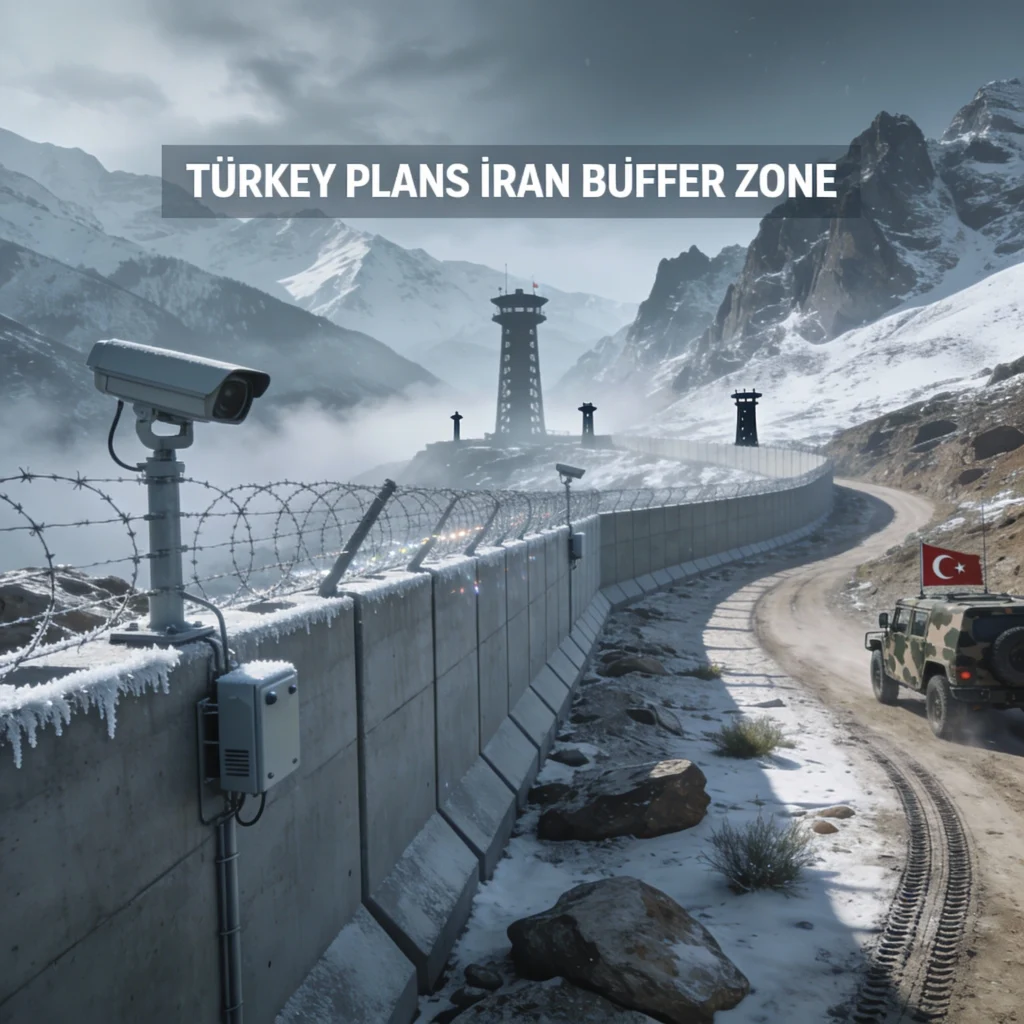
Turkey Buffer Zone Iran Strategy Explained
The proposed strategy focuses on establishing a buffer zone on the Iranian side of the border, although sources differ on whether officials explicitly used the term “buffer zone.” Regardless of terminology, the core objective remains the same: contain refugees within Iran and prevent irregular crossings into Turkey.
Turkey shares a 560-kilometer border with Iran, making border security a major concern in the event of instability in Tehran. Officials reportedly discussed enhanced security measures, including surveillance technology, reinforced walls, and tighter military coordination.
The plan aims to ensure that displaced populations remain close to their origin, reducing the humanitarian and logistical burden on Turkey.
Lessons From the Syrian Refugee Crisis
Turkish policymakers are drawing heavily on lessons from the Syrian civil war, which led to millions of refugees entering Turkey over the past decade. The influx strained public services, increased political tensions, and sparked debates over migration policy.
Ankara’s new approach reflects a preemptive containment strategy, seeking to manage migration flows before they reach Turkish territory. Officials reportedly warned lawmakers that a sudden collapse of Iran’s government could trigger a humanitarian crisis even larger than Syria’s due to Iran’s population size and geopolitical importance.
Security Measures Along the Turkish-Iranian Border
Turkey has already begun fortifying its eastern border, deploying concrete walls, surveillance systems, and advanced monitoring technology. These measures aim to block mass irregular entry and improve real-time detection of border crossings.
The strategy also includes increased military presence and coordination with security agencies, highlighting Ankara’s focus on national security. Turkish authorities have been investing heavily in border infrastructure to prevent smuggling, terrorism, and unauthorized migration.
Regional Tensions and US Military Activity
The contingency plan comes amid reports of US military build-ups and escalating protests in Tehran, raising fears of political instability in Iran. Analysts say Turkey is preparing for multiple scenarios, including civil unrest, regime change, or external military intervention.
Such developments could lead to large-scale displacement of Iranian civilians, prompting Ankara to act early to protect its borders and manage potential spillover effects.
Humanitarian and Political Implications
The concept of a buffer zone raises significant humanitarian and legal questions. International law experts argue that containment policies must ensure access to humanitarian aid, asylum procedures, and protection for displaced populations.
Human rights groups have criticized similar strategies in the past, warning that keeping refugees inside conflict zones could expose them to violence, shortages, and repression. However, Turkish officials argue that containment is necessary to maintain stability and prevent domestic backlash.
Turkey’s Migration Policy Shift
The reported buffer zone plan reflects a broader shift in Turkey’s migration policy, moving from hosting refugees to preventing large-scale inflows. Public opinion in Turkey has increasingly turned against accepting more refugees, influencing political discourse and policy decisions.
By preparing a buffer zone inside Iran, Ankara signals a hardline approach to future migration crises, prioritizing border security and national interests.
Potential Regional Consequences
If implemented, the Turkey buffer zone Iran strategy could have major geopolitical consequences. Neighboring countries, NATO allies, and international organizations may scrutinize the plan, especially regarding sovereignty and international humanitarian obligations.
Iran may also view the move as a violation of its territorial integrity, potentially escalating diplomatic tensions. Analysts warn that such a strategy could complicate Turkey-Iran relations and affect regional stability.
Conclusion
Turkey’s reported plan to establish a buffer zone inside Iran highlights Ankara’s determination to prevent a potential refugee crisis. Driven by lessons from the Syrian conflict, rising regional tensions, and domestic political pressures, the strategy focuses on containment, enhanced border security, and preemptive measures.
While the immediate implementation remains uncertain, the Turkey buffer zone Iran plan underscores the growing anxiety over Iran’s stability and the potential humanitarian fallout. As regional dynamics evolve, Turkey’s actions could reshape migration policy debates across the Middle East and Europe.
For more details & sources visit: Middle East Eye
Read more on Turkey news: 360 News Orbit – Turkey