
Sudan football history is once again drawing renewed attention as officials and sports observers highlight the country’s deep-rooted sporting culture, iconic Khartoum clubs, and a once-dominant era capped by an Africa Cup of Nations triumph. While Sudan’s modern football fortunes have fluctuated, its legacy remains one of the most historically significant in African football.
According to an official sports overview published by the Embassy of the Republic of Sudan, athletic activity has long been embedded in Sudanese society. From ancient traditions such as horsemanship, swimming, and wrestling to the organized club system introduced during the colonial period, sport has played a central role in community life. Among all disciplines, football has emerged as the country’s most popular and influential sport, uniting fans from major cities to remote villages.
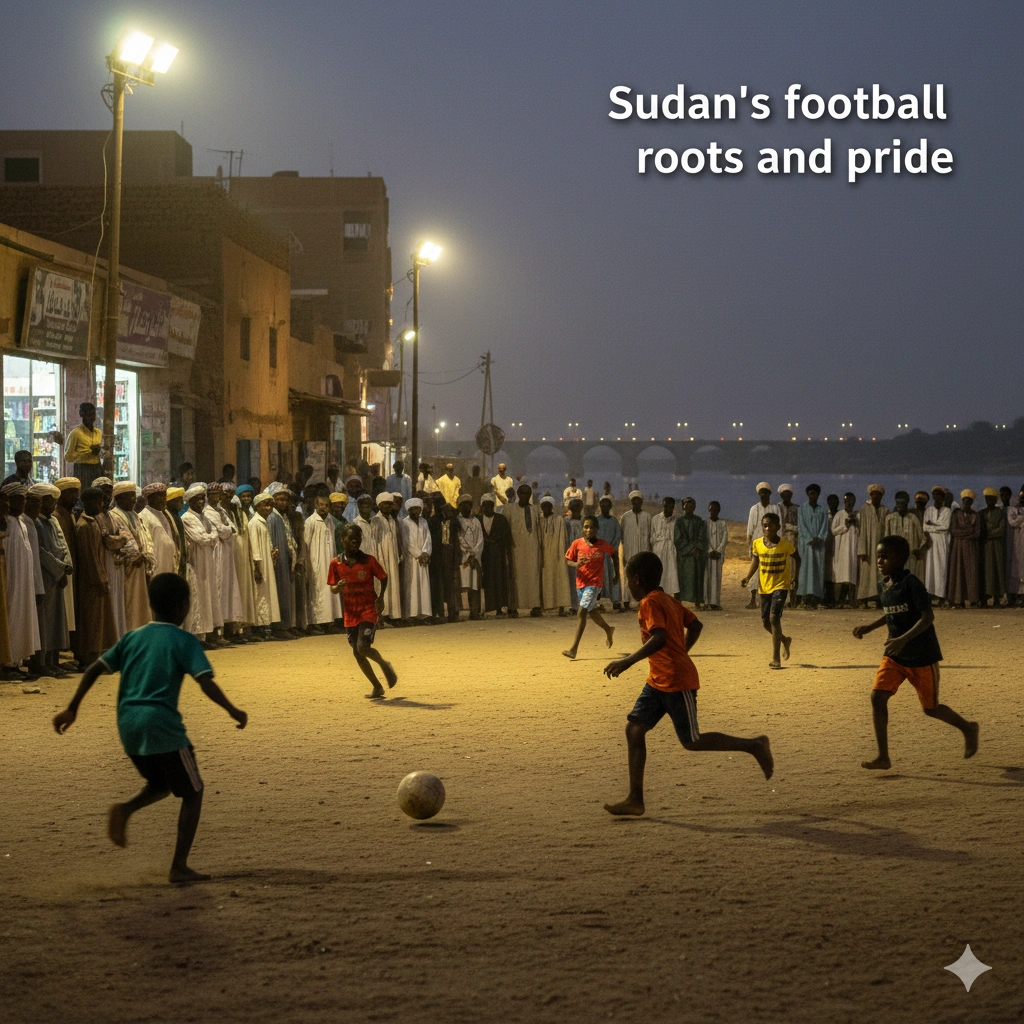
Football at the Heart of Sudanese Culture
The embassy profile emphasizes that Sudan football history reflects a nationwide passion that transcends geography and social class. Football dominates media coverage, public discourse, and grassroots participation, making it the most visible symbol of Sudan’s sporting identity.
Even as other sports continue to thrive across the country, football remains the focal point of national pride. Matches involving major clubs regularly attract intense fan engagement, reinforcing the sport’s cultural importance despite political and economic challenges facing the country.
Khartoum’s Iconic Football Clubs
At the center of Sudan football history are Khartoum’s legendary clubs, which have shaped the domestic game for decades. The embassy overview highlights three of the most prominent teams:
- Al-Hilal Omdurman
- Al-Merrikh SC
- Al-Morada SC
Al-Hilal and Al-Merrikh, in particular, are among Africa’s most storied clubs, with a rivalry that has defined Sudanese football culture. Their matches routinely draw massive audiences and remain among the most anticipated sporting events in the country.
Beyond Khartoum, the profile notes that other Sudanese states maintain active sporting clubs that support football alongside athletics, wrestling, and other disciplines. This decentralized structure underscores the nationwide reach of sport beyond the capital.
Early Organization and International Recognition
Sudan was among the earliest African nations to formalize football governance. As part of Sudan football history, the country established its football federation in 1936, reflecting early organizational ambition.
Sudan later became a member of FIFA in 1948 and joined the Confederation of African Football (CAF) in 1957, placing it at the forefront of football development on the continent. These early milestones positioned Sudan as a founding force in African football institutions.
The Golden Era of Sudanese Football
The late 1950s through the early 1970s are widely regarded as the golden period in Sudan football history. During this era, Sudan played a central role in shaping continental competition.
Key achievements include:
- Hosting the first Africa Cup of Nations (AFCON) in 1957
- Finishing runner-up at AFCON in 1959 and 1967
- Winning Sudan’s only AFCON title in 1970
The 1970 championship remains a defining moment, symbolizing the peak of Sudanese football excellence. That victory elevated Sudan’s status across Africa and cemented its place in the continent’s football heritage.
Struggles After Early Success
Despite its strong foundation, Sudan has struggled to sustain the momentum of its golden era. The national team has never qualified for the FIFA World Cup, and consistent AFCON success has proven elusive in the decades since the 1970 title.
Political instability, economic constraints, and administrative challenges have all contributed to uneven development. Nevertheless, Sudan football history remains a point of reference and inspiration for players and supporters alike.
Signs of Potential Revival
The embassy profile notes that Sudan’s qualification for a forthcoming Africa Cup of Nations—at the time of writing—has been viewed as a hopeful sign of resurgence. While expectations remain cautious, renewed focus on youth development and domestic competition has sparked optimism among fans.
Analysts argue that reconnecting with Sudan’s football heritage could play a role in rebuilding national unity and international sporting credibility.
Football as Cultural Continuity
Beyond trophies and tournaments, Sudan football history represents continuity amid change. Football has endured through colonial rule, independence, political upheaval, and conflict, remaining a constant in Sudanese public life.
As attention returns to Sudan’s sporting past, historians and supporters alike see football not only as entertainment, but as a cultural asset that reflects resilience, identity, and shared memory.
A Legacy That Endures
While modern challenges persist, Sudan’s football legacy continues to command respect across Africa. From pioneering continental competitions to producing iconic clubs and unforgettable moments, Sudan football history remains a vital chapter in the story of African sport.
Whether future generations can reclaim past glory remains uncertain—but the foundation, history, and passion are firmly in place.
For more news, visit 360 News Orbit