
Russia BRICS economic influence is expanding as global power dynamics shift, according to Russian Prime Minister Mikhail Mishustin, who said the BRICS bloc is gaining weight in the world economy while the G7’s share continues to decline. Speaking on January 21, 2026, Mishustin linked the shift to growing Global South cooperation and sustained pressure from Western sanctions on Russia.
His remarks come amid intensifying geopolitical tensions and what Russian officials describe as “mounting sanctions pressure”, which they argue has distorted global trade flows and reshaped economic alliances.
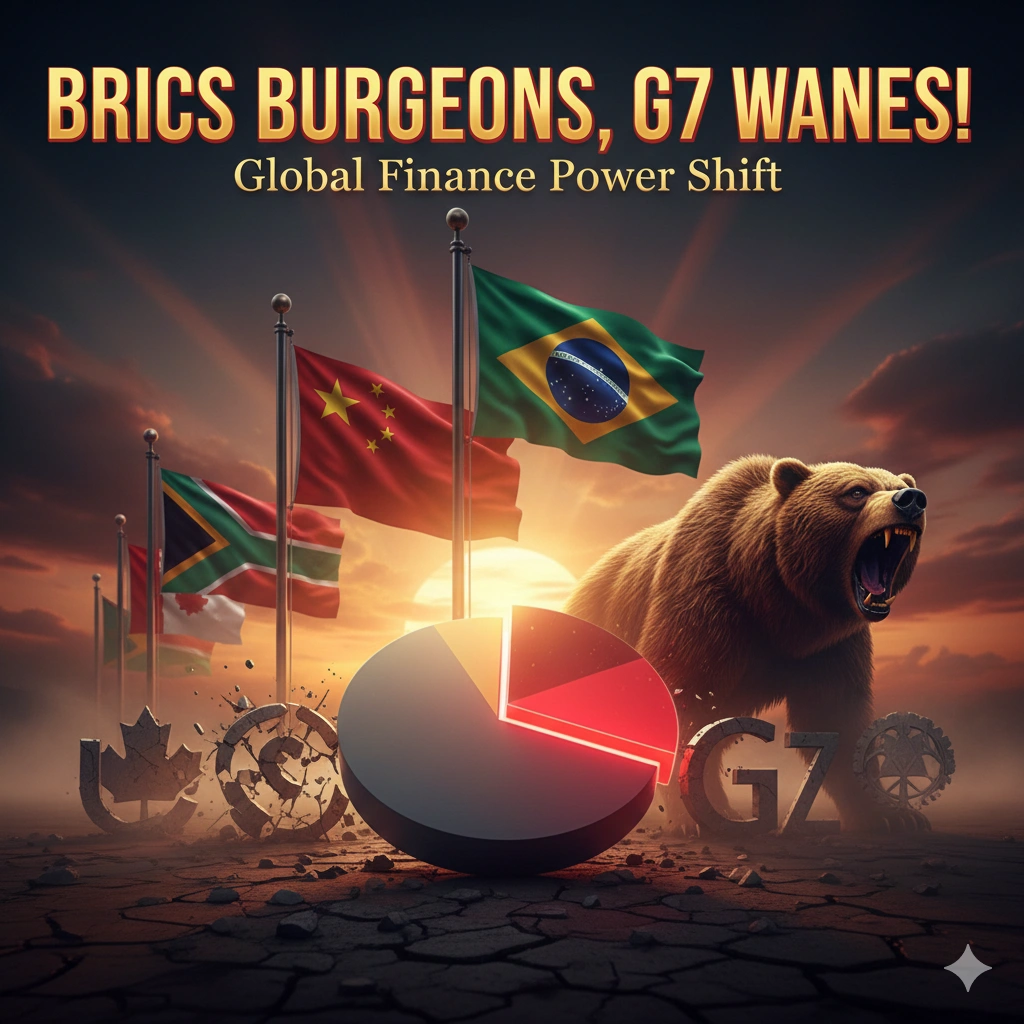
Russia BRICS Economic Weight Grows Under Sanctions Pressure
Addressing a high-level strategy meeting in Moscow, Mishustin said the economic influence of BRICS countries has expanded significantly, contrasting it with what he characterized as the shrinking dominance of the G7.
According to Mishustin:
- BRICS economies now represent a growing share of global output
- Interest in BRICS expansion continues to rise among emerging economies
- Western sanctions have accelerated shifts toward alternative trade frameworks
He emphasized that Russia must continue strengthening foreign economic relations, particularly with BRICS and Global South partners, to sustain growth across domestic industries.
Foreign Engagement Key to Russia’s Economic Strategy
Mishustin stressed that external cooperation remains critical for supporting:
- Industrial production
- Export growth
- Technological development
- Domestic demand
He said expanding foreign partnerships aligns with President Vladimir Putin’s long-term economic objectives, which prioritize resilience, self-sufficiency, and diversified trade routes.
The Russian government, he added, is adjusting economic support mechanisms to help businesses navigate tariff barriers, trade imbalances, and restricted market access caused by international penalties.
Sanctions and Tariffs Reshape Global Trade Patterns
Quoting state news agency TASS, Mishustin argued that sanctions imposed on Russia have not only affected Moscow but also disrupted global supply chains, creating what he described as “imbalanced and inefficient trade conditions.”
He claimed tariff restrictions and financial barriers have:
- Redirected trade flows toward non-Western markets
- Strengthened cooperation among sanctioned and emerging economies
- Reduced reliance on traditional Western trade hubs
This environment, Russian officials argue, has contributed to the relative decline of G7 economic dominance, while BRICS countries continue expanding their collective influence.
BRICS Expansion and the Global South Factor
The BRICS bloc—currently comprising Brazil, Russia, India, China, South Africa, and recent additions—has increasingly positioned itself as a platform for Global South economic coordination.
Mishustin noted that:
- More countries are seeking closer ties with BRICS
- The bloc offers alternatives to Western-led institutions
- Cooperation focuses on trade, investment, and development initiatives
Analysts view Russia’s emphasis on BRICS as part of a broader strategy to counterbalance sanctions by deepening ties with fast-growing economies across Asia, Africa, and Latin America.
Russia BRICS Economic Strategy Accelerates Amid Global Realignment
Russia BRICS economic strategy has gained momentum as Moscow adapts to a rapidly changing global order marked by fragmentation and competing economic blocs. Officials argue that deeper engagement with BRICS partners helps cushion the impact of sanctions by expanding access to alternative markets, financial mechanisms, and investment channels outside traditional Western systems.
By strengthening Russia BRICS economic cooperation, policymakers aim to stabilize exports, secure supply chains, and reduce vulnerability to external shocks. This approach, Russian officials say, reflects a broader realignment toward multipolar trade networks, where emerging economies play a larger role in shaping global growth and governance structures.
Economic Reality vs Political Messaging
While Russia BRICS economic rhetoric underscores confidence, economists note that Russia continues to face structural challenges, including restricted access to Western capital and advanced technologies. However, Moscow maintains that diversification toward BRICS markets is offsetting some of these constraints.
Government officials say policy adjustments are underway to support a supply-side transformation, allowing domestic firms to adapt to external pressures while maintaining export capacity.
Conclusion
Russia BRICS economic cooperation is increasingly central to Moscow’s global strategy as sanctions reshape international trade. By highlighting BRICS growth alongside G7 decline, Prime Minister Mishustin reinforced Russia’s pivot toward the Global South and alternative economic alliances.
Whether this shift delivers long-term stability will depend on sustained foreign engagement, successful domestic reforms, and the evolving balance of global economic power.
For more details & sources visit: Anadolu Agency
For more regional updates and industry insights, visit our Russia News Page