
Rachel Reeves misleading public claims have sparked intense debate following the British Finance Minister’s denial of accusations that she misrepresented economic conditions ahead of the November 2025 UK budget. The controversy has heightened scrutiny on government communications, fiscal policy, and transparency, raising concerns from opposition parties, investors, and the public alike.
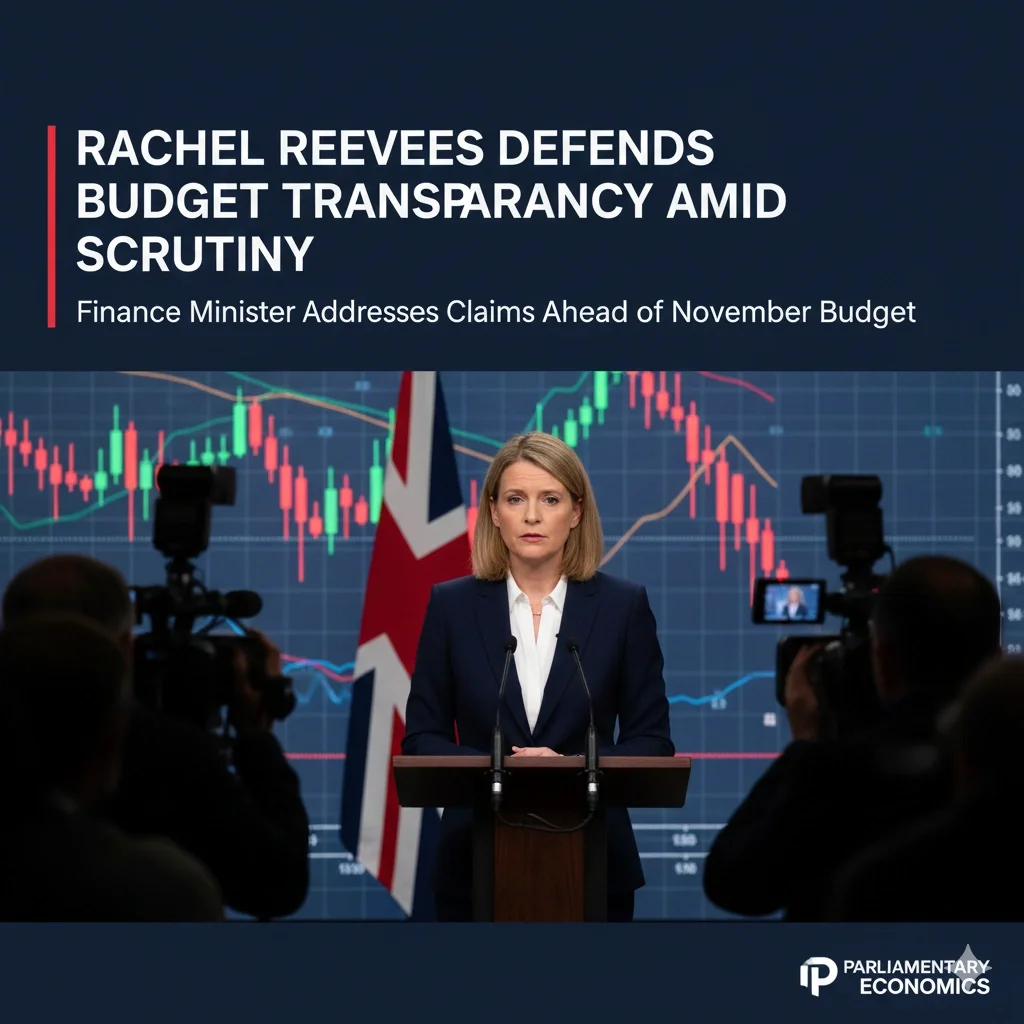
In early November, Reeves warned of weaker productivity growth in the UK economy, suggesting that a larger fiscal buffer might be necessary. Her remarks hinted at potential tax adjustments, despite Labour’s 2024 election promise not to raise income tax. Critics claim that her selective presentation of economic indicators misled the public and created uncertainty in financial markets. Reeves, however, maintains that her statements were accurate and aimed at responsibly preparing citizens for the upcoming budget.
The controversy intensified after the Office for Budget Responsibility (OBR) released a letter showing that productivity downgrades were largely offset by gains in real wages and moderating inflation—factors not highlighted by Reeves. Market volatility surged in November as UK government bond yields fluctuated, reflecting investor uncertainty about potential tax changes. Some analysts argue that the mixed messaging exacerbated these market swings.
Opposition parties, including the Conservative Party, called for Reeves’ resignation, alleging that her guidance undermined credibility and transparency. Reform UK echoed concerns about fiscal messaging, arguing that selective economic reporting could damage public trust. Despite these criticisms, Reeves defended her position, emphasizing that responsible governance requires addressing potential risks even if other economic indicators appear positive.
Political commentators note that this controversy underscores the challenge governments face in balancing transparency with strategic communication. Highlighting worst-case scenarios may help justify fiscal discipline but can also be perceived as misleading if not contextualized fully. Reeves’ handling of the situation has reignited discussions about best practices in economic reporting and public communication.
The debate over Rachel Reeves misleading public claims reflects broader tensions in UK politics, including accountability, fiscal responsibility, and market confidence. With economic pressures from inflation, post-pandemic recovery challenges, and public scrutiny over government spending, clear communication remains essential. Analysts predict that this controversy will continue to influence the discourse around the UK budget and shape public expectations leading into 2026.
As ministers work to implement fiscal policy and manage public perception, the episode serves as a reminder of the high stakes involved in government messaging. How Reeves navigates these challenges will have long-term implications for Labour’s credibility, investor confidence, and the public’s trust in economic governance.
Source: Reuters
For more updates about the United Kingdom, visit our UK news page.