
Independent film distribution is witnessing a record shift as Department M negotiates a major stake in Neon, signaling a new era of global cinematic power. This potential partnership, fueled by deep-rooted Qatar film ties, could reshape the landscape of Hollywood’s independent studio system. As Neon continues to dominate the awards circuit with its unparalleled streak of Palme d’Or winners and Oscar contenders, the infusion of capital from Qatar-backed Department M offers a strategic advantage.
This move comes at a time when the industry is seeking stability and scalability amid fluctuating market conditions. The collaboration not only promises a boost in production capabilities but also strengthens the bridge between Middle Eastern investment and Western storytelling. For industry observers, this negotiation is a strong indicator of how international partnerships are becoming the bedrock of modern film distribution.
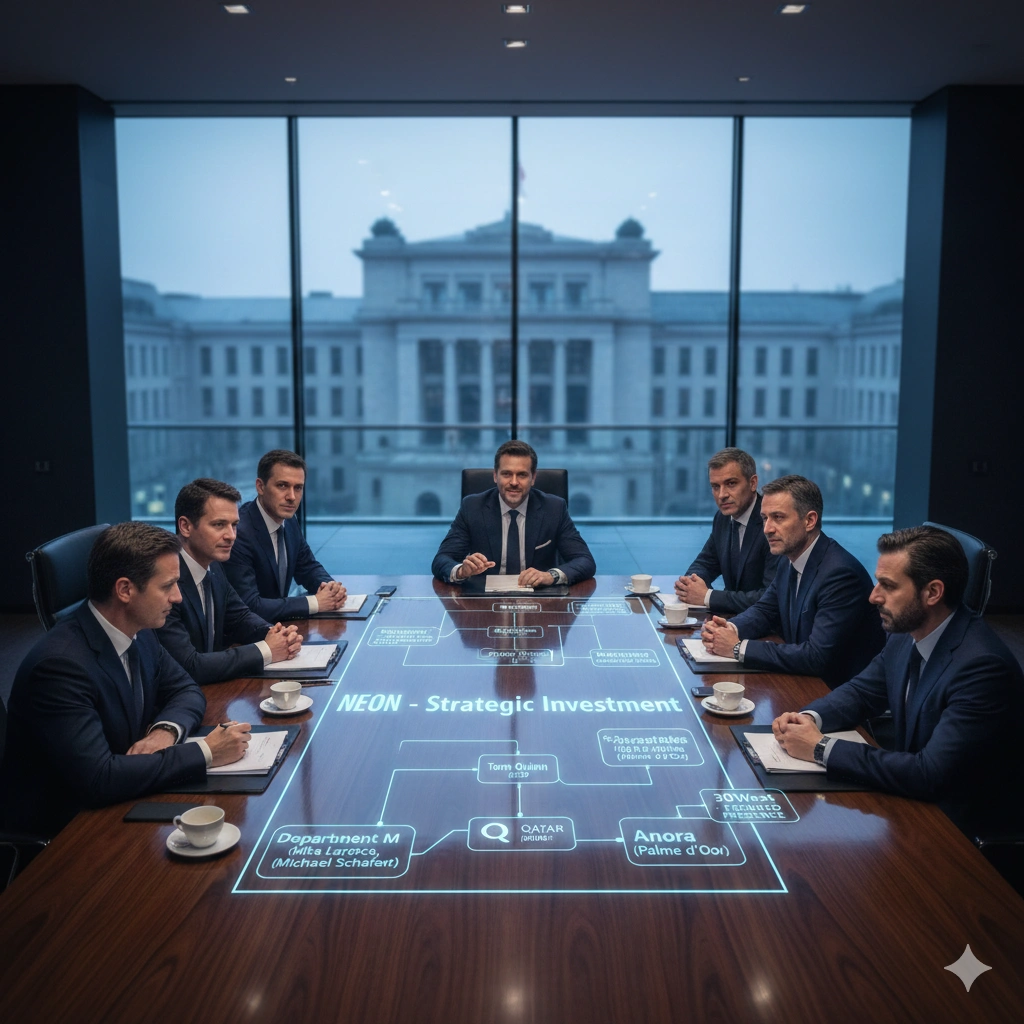
Qatar Film Ties
The deepening of Qatar film ties has become a pivotal factor in the evolution of Department M as a formidable production powerhouse. Launched in 2024 by industry veterans Mike Larocca and Michael Schaefer, Department M has quickly established itself through strategic alliances with Qatar-linked investors and the Qatar Film Committee.
These relationships were solidified at events like the European Film Market and the Doha Film Festival, where multi-film slates and development pacts were first unveiled. By leveraging these international connections, Department M is positioned to bring a fresh perspective to global narratives while maintaining a robust financial foundation. This synergy between Qatari capital and Hollywood expertise is creating a new model for high-stakes independent filmmaking.
The impact of these Qatar film ties extends beyond mere financing; it involves a commitment to cultural exchange and the promotion of diverse voices on the global stage. The partnership with Media City Qatar on projects like the Syrian dissident story Caesar demonstrates a clear focus on regionally inspired productions with worldwide relevance.
This strategic direction aligns with Qatar’s broader vision of becoming a central hub for the creative economy in the Global South. As Department M looks to acquire a significant stake in Neon, the strength of these ties will likely be the engine that drives future acquisitions and co-productions. The result is a more interconnected film industry where geographical boundaries are increasingly blurred by shared creative and economic goals.
The Rise of Neon as a Distribution Powerhouse
Neon has carved out a unique niche in the industry by consistently identifying and distributing some of the most critically acclaimed films of the last decade. From the historic Best Picture win of Parasite to the recent success of Anora, the studio has proven its ability to turn international features into domestic box office hits. The current negotiations for a stake sale reflect the studio’s desire to further its growth and secure its position against larger conglomerate competitors. CEO Tom Quinn has been vocal about his openness to investment, viewing it as a necessary step for the studio to maintain its artistic integrity while scaling its operations.
This record of success makes Neon an attractive target for investors seeking a foothold in the high-prestige segment of the market. Neon has secured five consecutive Palme d’Or wins at the Cannes Film Festival. The studio earned a record 18 Oscar nominations for its international titles in the 2026 awards cycle. Key upcoming releases include Joachim Trier’s Sentimental Value and Jafar Panahi’s It Was Just an Accident. The distributor’s library now includes over 120 titles, spanning diverse genres and languages.
The potential restructuring of Neon under a Department M partnership could lead to a more aggressive approach to film acquisitions and production. By combining Neon’s distribution savvy with Department M’s production expertise, the new entity would be well-equipped to handle projects from inception to theatrical release. This end-to-end capability is increasingly important in a market where content is king and the competition for high-quality scripts is fierce. As the deal progresses, the industry will be watching closely to see how this new powerhouse balances its commercial ambitions with its reputation for supporting bold, visionary cinema.
Strategic Shifts in Hollywood Ownership
The landscape of Hollywood ownership is undergoing a significant transformation, with traditional backers like 30West and Dan Friedkin potentially making way for new players. The interest from Department M suggests a shift toward investors who are more directly involved in the creative process and have strong international backing. This trend is part of a larger movement where global capital is seeking more direct routes into the American entertainment industry. For Neon, this transition could mean a fresh infusion of resources and a more diversified board of directors that reflects its global slate of films. Such shifts are often seen as a sign of a maturing market where established studios look for new ways to stay relevant.
Moreover, the collapse of reported talks with major studios like Warner Bros. indicates that independent distributors are increasingly looking for partners that offer more than just a distribution network. They are looking for collaborators who share their vision for the future of cinema and are willing to invest in the long-term growth of the brand. Department M, with its focus on high-end production and international ties, fits this profile perfectly. The move also signals a record level of confidence in the independent sector, despite the challenges posed by streaming and changing audience habits. As new ownership structures emerge, they will likely prioritize flexibility and international reach over traditional studio models.
Qatar Film Ties
Central to the ongoing negotiations is the role of Qatar film ties in providing the necessary liquidity for such a large-scale investment. The Qatari government, through various committees and agencies, has been actively promoting the nation as a premier destination for film production and investment. This includes offering generous cash rebates and building state-of-the-art infrastructure to attract international filmmakers. Department M is a direct beneficiary of this proactive stance, allowing it to move quickly on opportunities like the Neon stake sale. This level of support ensures that the company has the staying power to compete at the highest levels of the industry.
The long-term implications of these Qatar film ties are significant for both the regional and global film industries. By investing in established Western studios, Qatar is not only diversifying its economic portfolio but also gaining a seat at the table in global cultural conversations. This influence is reflected in the types of stories being told and the platforms they are given. As Neon continues to release films that challenge and inspire, the backing of Qatar-linked entities ensures that these voices have the financial support they need to reach a worldwide audience. The success of this model could encourage other nations in the region to follow suit, leading to a more multipolar global film industry.
Innovation in Film Financing and Production
The potential deal between Department M and Neon is a prime example of innovation in film financing, where production companies take a direct equity stake in their distributors. This vertical integration allows for a more cohesive strategy across the entire lifecycle of a film, from development and casting to marketing and release. For Department M, owning a piece of a top-tier distributor ensures that its films will receive the high-profile theatrical releases they deserve. For Neon, the partnership provides a steady stream of high-quality content and the financial backing to compete for the biggest titles at festivals like Cannes, Berlin, and Toronto.
- Direct investment from production houses reduces the reliance on traditional bank loans.
- Equity stakes create a more aligned incentive structure between producers and distributors.
- Integrated sales arms can more effectively manage international rights and licensing deals.
- Strong Qatar film ties facilitate faster deal-making and capital allocation for big-budget projects.
This trend toward more integrated business models is likely to continue as the industry seeks more efficient ways to operate. By removing the traditional silos between production and distribution, companies can respond more quickly to market trends and audience preferences. This agility is particularly important in the digital age, where the window between a film’s theatrical release and its availability on home platforms is constantly shrinking. The Department M and Neon partnership represents a proactive response to these changes, positioning both companies for continued success in a rapidly evolving environment.
The Role of International Film Markets
International film markets like the European Film Market (EFM) in Berlin play a crucial role in facilitating deals of this magnitude. It is at these gatherings that producers, distributors, and investors meet to discuss new projects and negotiate partnerships. The record 5% increase in participants at EFM 2026 highlights the growing importance of these events as the primary engines of the global film business. For Department M and Neon, the market provided a high-profile platform to showcase their respective slates and attract further interest from potential partners. The buzz generated at such events often serves as the catalyst for the final stages of a negotiation.
The success of a deal often depends on the momentum built during these markets, where face-to-face meetings can resolve complex issues that might otherwise stall. The EFM’s focus on innovation and digital transformation also provides a glimpse into the future of the industry, offering tools and insights that can help companies like Neon and Department M stay ahead of the curve. As the global film calendar continues to center around these key events, the ability to effectively navigate them will remain a critical skill for any studio leader. The ongoing talks are a testament to the power of these markets to bring together the various players needed to build a new Hollywood powerhouse through robust Qatar film ties.
Expanding the Reach of Arabic Storytelling
One of the most exciting aspects of the Qatar film ties is the potential to bring more Arabic-language and regional stories to a global audience. The partnership between Neon and the Qatar Film Committee specifically mentions a focus on nurturing local filmmakers and showcasing the creative potential of the MENA region. By utilizing Neon’s world-class distribution network, these stories can reach viewers who might otherwise never have had the chance to see them. This not only enriches the global cinematic landscape but also provides a platform for talented creators from the Middle East to gain international recognition.
This commitment to regional storytelling is backed by substantial resources, including writers’ incubation labs and co-production funds. The goal is to create a sustainable ecosystem where Arabic cinema can thrive and compete on its own terms. As Department M becomes more deeply involved with Neon, the opportunities for cross-cultural collaboration will only increase. This could lead to a record number of international features from the region appearing in major film festivals and winning top awards. The result is a more inclusive and representative industry that reflects the true diversity of global culture fostered by Qatar film ties.
Future Outlook for Independent Studios
The future for independent studios like Neon appears bright, provided they can continue to secure the investment and partnerships necessary to compete with the majors. The interest from Department M is a strong vote of confidence in the viability of the independent model, even in an era dominated by large-scale franchises and streaming giants. By focusing on quality over quantity and maintaining a strong brand identity, studios like Neon can continue to attract the world’s best filmmakers and most discerning audiences. The key will be to remain agile and open to new forms of collaboration, as the Department M deal demonstrates through its Qatar film ties.
As the industry moves toward 2027 and beyond, we can expect to see more deals that blend production expertise with distribution power and international capital. The traditional boundaries of Hollywood are being redrawn, and the new map is being defined by companies that can successfully bridge different markets and cultures. Neon and Department M are at the forefront of this change, and their partnership could serve as a blueprint for others to follow. For film lovers, this means a continued supply of bold, original, and diverse cinema that pushes the boundaries of what is possible on screen while utilizing Qatar film ties.
Strengthening Global Distribution Networks
A key component of this negotiation is how Qatar film ties will enable Neon to expand its reach into emerging markets. With the Middle East becoming a major consumer of high-end cinematic content, having a partner with deep regional roots provides a distinct competitive advantage. This expansion is not limited to theatrical releases; it also includes digital streaming partnerships and local language dubbing. By tailoring content to the specific preferences of regional audiences, the combined entity can maximize its revenue streams and build a loyal fan base across the globe. This strategy ensures that Neon remains at the cutting edge of global distribution trends.
- Strategic placement of content in the MENA region via Qatar film ties.
- Targeted marketing campaigns that leverage local cultural insights.
- Increased presence at regional film festivals like Red Sea and Doha.
The integration of these strategies into Neon’s existing framework will likely result in a record-breaking year for international sales. As the company scales, the ability to manage complex global rights will be essential for maintaining its profitability. The expertise brought by Department M’s backers will be invaluable in navigating these challenges. Ultimately, the goal is to create a truly global studio that can operate seamlessly across different continents and cultures, all while maintaining the high standards of artistic excellence that Neon is known for through its Qatar film ties.
Economic Impact of Film Partnerships
The economic impact of the deal between Department M and Neon extends far beyond the film industry. By attracting significant foreign investment, the deal contributes to the overall growth of the creative economy in both the US and Qatar. This includes job creation in production, marketing, and distribution, as well as the development of new technology for film processing and screening. The success of such high-profile partnerships encourages other industries to explore similar cross-border collaborations, further strengthening the economic ties between the two nations. These Qatar film ties are thus a catalyst for broader economic and cultural integration.
Furthermore, the prestige associated with winning major awards like the Palme d’Or or an Oscar has a tangible impact on tourism and the global perception of the involved countries. As Neon continues its winning streak, the associations with its backers become even more valuable. This “soft power” is a key motivation for the strategic investment from Department M. By aligning themselves with excellence in storytelling, they are building a lasting legacy that will resonate for generations. The partnership is a testament to the fact that in the modern world, culture and commerce are more closely linked than ever before, especially through Qatar film ties.
Sustainable Production Practices in the Digital Era
As the industry moves toward more sustainable production practices, the role of digital innovation becomes even more critical. Department M and Neon are committed to using the latest technology to reduce the environmental impact of their filmmaking. This includes the use of virtual production sets, which minimize the need for international travel and physical set construction. These innovations are often supported by the advanced infrastructure provided through Qatar film ties, which include some of the world’s most modern soundstages and post-production facilities. By leading the way in green filmmaking, the partnership is setting a new standard for the industry.
- Virtual production reduces the carbon footprint of location scouting and travel.
- Digital distribution reduces the need for physical media and transportation.
- Sustainable energy sources are increasingly used in modern production facilities.
This focus on sustainability is not just good for the planet; it is also good for business. As audiences become more conscious of environmental issues, they are more likely to support companies that demonstrate a commitment to responsible practices. By integrating sustainability into their core business model, Neon and Department M are future-proofing their operations and building a more resilient brand. These Qatar film ties provide the resources and vision necessary to implement these changes on a global scale.
Conclusion
The negotiations between Department M and Neon mark a significant milestone in the ongoing evolution of the global film industry. Driven by strong Qatar film ties and a shared vision for high-quality storytelling, this potential partnership has the power to create a new Hollywood powerhouse. By combining resources and expertise, the two companies are positioning themselves to lead the way in a market that increasingly values international reach and artistic excellence. As the deal reaches its final stages, the impact will be felt across the entire landscape of film production and distribution. This record-breaking year for Neon is just the beginning of a new chapter in the history of independent cinema, deeply supported by Qatar film ties.
The success of this venture will ultimately be measured by the quality of the films it produces and the audiences it reaches. However, the structural changes it represents are already clear. The era of the isolated independent studio is giving way to a more integrated and internationally focused model. For those involved, the rewards are potentially immense, both financially and creatively. As the world becomes more connected, so too does the world of film, and the partnership between Department M and Neon is a shining example of this new reality shaped by Qatar film ties.
For more details & sources visit: Deadline (original; unavailable on Reuters, AP, BBC, NYT, Guardian, Al Jazeera, CNN, Bloomberg, WaPo, AFP)
Read more about Qatar news on 360 News Orbit – Qatar.