
Polin Museum Leadership is undergoing a historic restoration as Dariusz Stola returns to the helm of Poland’s most significant Jewish cultural institution. This move marks the end of a long period of political interference that saw the esteemed historian ousted by the previous nationalist administration. By reinstating Stola, the current government is sending a clear signal that academic freedom and historical integrity are once again priorities for the nation. This decision is not just about one man; it is about the autonomy of cultural heritage in a modern democracy.
The reappointment of Dariusz Stola to the Polin Museum Leadership follows years of international and domestic advocacy from historians and human rights groups. Originally serving as the founding director from 2014 to 2019, Stola was pushed out after clashing with the Law and Justice party. The former government took issue with his willingness to explore sensitive topics, particularly those involving Polish involvement in antisemitism. His return is viewed as a “delayed correction” by the new Culture Minister, Marta Cienkowska, who officially signed the decree this week.
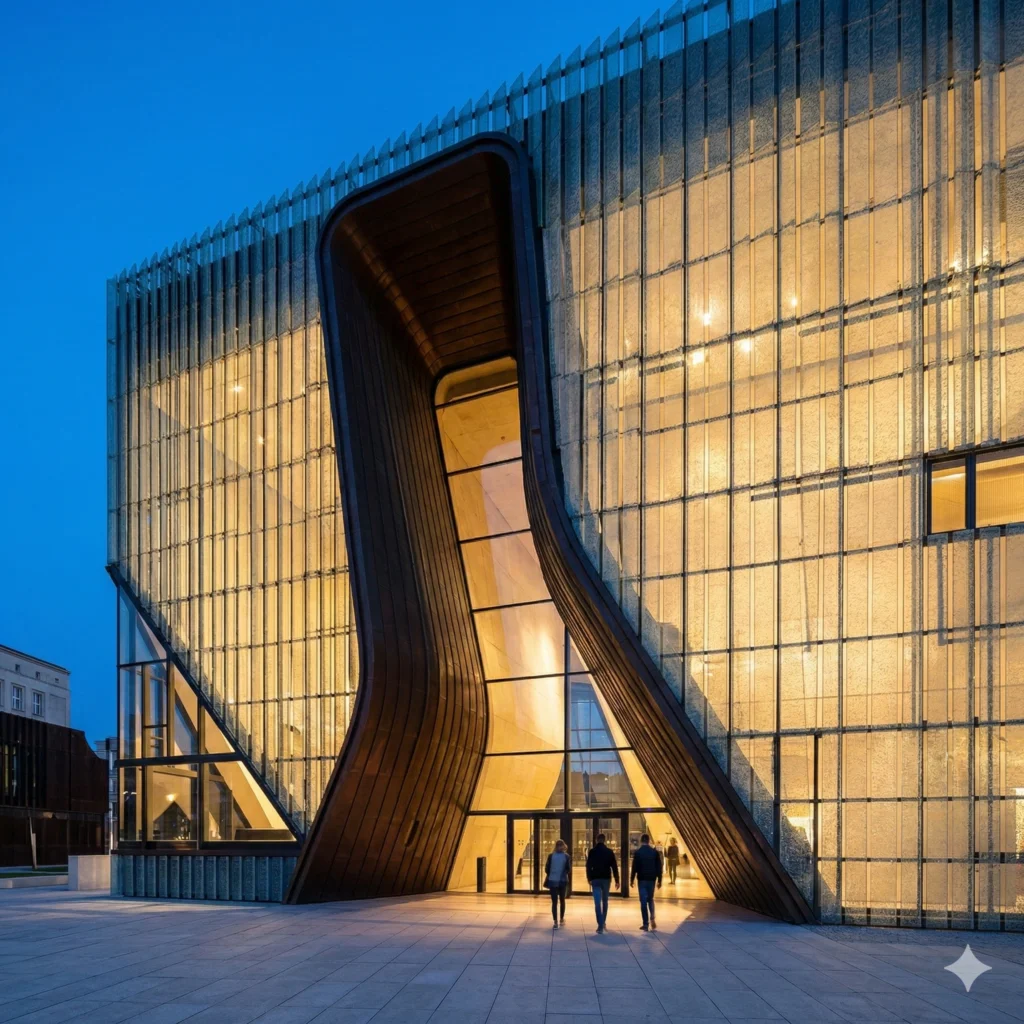
5 Impacts of Polin Museum Leadership on Cultural Freedom
The restoration of Stola to his post ensures that the museum remains a space for open dialogue rather than a tool for state propaganda. Under the previous regime, there was significant pressure to promote a simplified narrative of national heroism that ignored darker chapters of history. Stola’s leadership is expected to reintroduce a more nuanced approach to the Polish-Jewish experience. This shift is essential for maintaining the museum’s international reputation as a world-class academic and educational facility.
Another major impact involves the protection of the museum’s staff and researchers from political retaliation. During the years of nationalist control, many cultural professionals across Poland feared for their jobs if their work contradicted the official state narrative. The return of a director who stood his ground against political pressure provides a massive boost to morale. It reinforces the idea that Polin Museum Leadership is a shield for scholars who seek to uncover the truth, regardless of how uncomfortable that truth might be.
Furthermore, this change in leadership strengthens Poland’s ties with the global Jewish diaspora and international historical organizations. Many of the museum’s founders and donors in the United States and Israel had expressed deep concern over the politicization of the institution. With Stola back in charge, these vital partnerships are likely to be revitalized. The museum can now move forward with ambitious international exhibitions and research projects that were previously stalled by diplomatic tensions.
Polin Museum Leadership
The official reinstatement of Dariusz Stola represents a victory for the rule of law in Poland’s cultural sector. It demonstrates that political maneuvers designed to silence academic voices can be reversed through democratic changes in government. Stola himself has described his return as a moment of justice, not just for himself, but for the institution he helped build from the ground up. The museum is now poised to enter a new era of growth and public engagement starting March 1, 2026.
The Controversy of the 1968 Antisemitic Exhibit
One of the primary reasons Stola faced political ire was his 2018 exhibit titled “Estranged: March ’68 and Its Aftermath.” This exhibition documented the state-sponsored antisemitic campaign launched by the communist government of Poland in 1968, which forced thousands of Jews to leave the country. Stola drew parallels between the language used by communist officials back then and the rhetoric used by contemporary politicians. This comparison infuriated the Law and Justice party, leading directly to the breakdown in Polin Museum Leadership relations.
The exhibit was praised by critics for its bravery and relevance but was labeled as “politicized” by the government. The controversy highlighted the thin line between historical education and political commentary in modern Poland. Stola’s refusal to censor the exhibit or apologize for the comparisons he drew made him a target for the nationalist right. Now, his return to Polin Museum Leadership serves as a symbolic vindication of the museum’s right to draw connections between the past and the present.
As he prepares for his new term, many are watching to see if Stola will revisit these themes or introduce new, equally challenging exhibitions. His commitment to the 1968 project showed that he views history as a living entity that must be discussed in the context of today’s social challenges. This philosophy is likely to remain at the core of his second tenure at the museum. The public’s interest in these topics remains high, suggesting that the museum will continue to be a site of active debate.
Rebuilding Autonomy Under the Donald Tusk Coalition
The Donald Tusk government has made the restoration of institutional autonomy a cornerstone of its domestic policy. The Polin Museum Leadership change is just one part of a broader effort to remove political appointees from cultural and media organizations. For years, the state-run media and national museums were used to reinforce a specific conservative ideology. The current administration is working to ensure that these institutions serve the entire public, regardless of their political leanings.
Culture Minister Marta Cienkowska has been instrumental in this transition, emphasizing that the state should support culture without controlling its content. By appointing Stola, she is fulfilling a promise to return experts to positions of power within the cultural landscape. This move has been welcomed by the “Coalition for Culture,” a group of artists and scholars who have campaigned for the depoliticization of Polish museums. The shift in Polin Museum Leadership is seen as a major win for this movement.
However, the transition is not without its challenges, as remnants of the previous administration’s policies still exist within the legal and budgetary frameworks of many institutions. Stola will need to navigate a complex landscape to ensure the museum’s long-term financial and editorial independence. His experience as a veteran administrator and respected historian will be vital in this regard. The goal is to create a sustainable model of Polin Museum Leadership that can withstand future political shifts.
Academic Freedom and the Investigation of the Holocaust
The most sensitive area of Polish history remains the Holocaust and the behavior of local populations during the German occupation. The Law and Justice government famously passed laws that made it a crime to accuse the Polish nation of complicity in Nazi crimes. While these laws were eventually softened under international pressure, the chilling effect on research was significant. Stola’s return to Polin Museum Leadership is expected to thaw this environment and encourage more open academic research.
- Researchers will have greater access to archives and funding for sensitive topics.
- Peer-reviewed studies on Polish-Jewish relations will be prioritized over populist narratives.
- Collaborative projects with Yad Vashem and the US Holocaust Memorial Museum will be expanded.
- Educational programs will focus on teaching students critical thinking about historical documents.
The museum under Stola’s guidance has always emphasized that history is not a zero-sum game of pride and shame. Instead, it is a tool for understanding the human condition and the dangers of extremism. This approach is vital for educating a new generation of Poles about their country’s diverse and often painful history. By leading with academic rigor, the Polin Museum Leadership can help move the national conversation toward reconciliation and truth-telling.
Symbolic Rebuke to Nationalist Historical Policies
The reinstatement of Stola is being widely reported as a symbolic rebuke to the “politics of memory” practiced by the previous administration. That policy aimed to use history as a tool for nation-building by emphasizing Polish victimhood and downplaying any internal social conflicts. By removing Stola, the previous government had hoped to turn Polin into a more “traditional” museum that wouldn’t challenge the national ego. His return proves that this strategy ultimately failed to suppress the museum’s mission.
International observers see the Polin Museum Leadership change as a bellwether for the state of democracy in Central Europe. As other countries in the region struggle with similar nationalist trends, Poland’s decision to restore a marginalized intellectual to power is a powerful counter-narrative. It suggests that the tide may be turning in favor of liberal values and institutional independence. The museum stands as a beacon of these values in a region that has seen significant democratic backsliding.
The museum building itself, with its striking glass facade and symbolic “cleft” design, represents the rupture in Polish-Jewish history. Stola’s return helps to heal a different kind of rupture—the one between the state and its leading cultural figures. As the museum prepares to celebrate its upcoming anniversaries, the stability provided by this leadership change will be essential for planning future programs. The symbolic importance of having the “rightful” director back in his office cannot be overstated.
Continuity and the Role of Zygmunt Stepinski
While Stola returns as the director, he will be working alongside his former deputy, Zygmunt Stepinski, who has served as the museum’s leader in the interim. This partnership ensures a high degree of continuity in the museum’s operations. Stepinski is credited with keeping the institution running smoothly during the difficult years of political pressure and the global pandemic. Together, they form a formidable team in Polining Museum Leadership that combines founding vision with recent operational experience.
Stepinski’s decision to stay on staff is a sign of his dedication to the institution over personal ambition. This level of professional stability is rare in the high-stakes world of cultural politics. It allows the museum to hit the ground running on March 1 without the need for a lengthy transition period. The staff, many of whom have worked under both men, are reportedly enthusiastic about this collaborative leadership structure.
- Stepinski will focus on operational management and public relations.
- Stola will oversee the strategic academic and curatorial direction.
- Both leaders will work to secure new private and international funding.
- The team will coordinate with the Ministry of Culture on long-term capital projects.
Future Perspectives for the Polin Museum in 2026
As we look toward the late 2020s, the Polin Museum is set to expand its digital reach and international footprint. The new Polin Museum Leadership plans to utilize emerging technologies to bring the history of Polish Jews to a global audience. This includes virtual reality exhibits and an expanded online archive that makes primary sources accessible to researchers anywhere in the world. Stola’s vision for the museum has always been one of modern, interactive engagement.
There are also plans to host a major international summit on the role of museums in combating modern antisemitism. This event will bring together museum directors from around the world to share strategies for educating the public in an era of rising disinformation. By taking a leadership role in this global conversation, the Polin Museum is asserting its relevance beyond the borders of Poland. The return of Stola provides the intellectual authority needed to spearhead such a significant global initiative.
Ultimately, the future of the museum depends on its ability to remain a “museum of life” rather than just a museum of the Holocaust. While the tragedy of the 20th century is a central part of the story, Polin Museum Leadership is committed to showing the thousand years of Jewish culture that preceded it. This balanced approach is what makes the museum unique and why its leadership is so vital for the cultural landscape of Europe.
Reconnecting with the International Jewish Diaspora
The global Jewish community has always viewed the Polin Museum as a vital link to their ancestral roots. The political turmoil of the last few years had created a sense of unease among many in the diaspora. With the restoration of the original Polin Museum Leadership, there is a renewed sense of trust. Organizations in the United States, Israel, and across Europe are already reaching out to discuss new collaborations and exchange programs.
This reconnection is especially important for the museum’s educational mission. Thousands of students from around the world visit Warsaw every year to learn about Jewish history. Having a leadership that is respected by international Jewish organizations ensures that these visits are viewed as credible and constructive. Stola’s reputation as a fair and thorough historian is a key asset in maintaining these vital international relationships.
- Joint research grants with Israeli universities are being re-established.
- New exchange programs for young historians are being developed.
- Philanthropic boards in North America have expressed renewed interest in supporting the museum.
- Diplomatic cultural events are being planned to celebrate the museum’s autonomy.
Final Assessment of Poland’s Cultural Shift
The reinstatement of Dariusz Stola is a defining moment for the Polish cultural sector in 2026. it marks the end of a period of “historical politics” that sought to weaponize the past for contemporary gain. The new Polin Museum Leadership is a testament to the resilience of cultural institutions and the individuals who lead them. As Poland continues to navigate its complex history, having an autonomous and courageous Polin Museum is more important than ever.
The museum is once again in a position to lead national and international conversations about identity, memory, and tolerance. Stola’s second term will likely be defined by a commitment to the same values that guided his first: truth, transparency, and a deep respect for the human story. The world will be watching as the Polin Museum embarks on this new chapter under its founding director.
As the political dust settles, the focus returns to where it should be—on the thousand-year history of Polish Jews and the lessons it holds for all of us. The restoration of Polin Museum Leadership is a win for history, a win for Poland, and a win for the global community that values the pursuit of knowledge. The museum is back in safe hands, and its future looks brighter than it has in years.
For more details & sources visit: Forward
Read more on Poland news: 360 News Orbit – Poland.