
Nollywood 2026 reforms are set to transform Nigeria’s film industry into a global powerhouse, according to Nigeria Film Corporation (NFC) CEO Dr. Ali Nuhu. With a vision combining upgraded production quality, international collaborations, and expanded creative training, the reforms aim to attract foreign investment, create jobs, and elevate Africa’s largest film sector to the world stage.
Strengthening Production Quality and Distribution (H2)
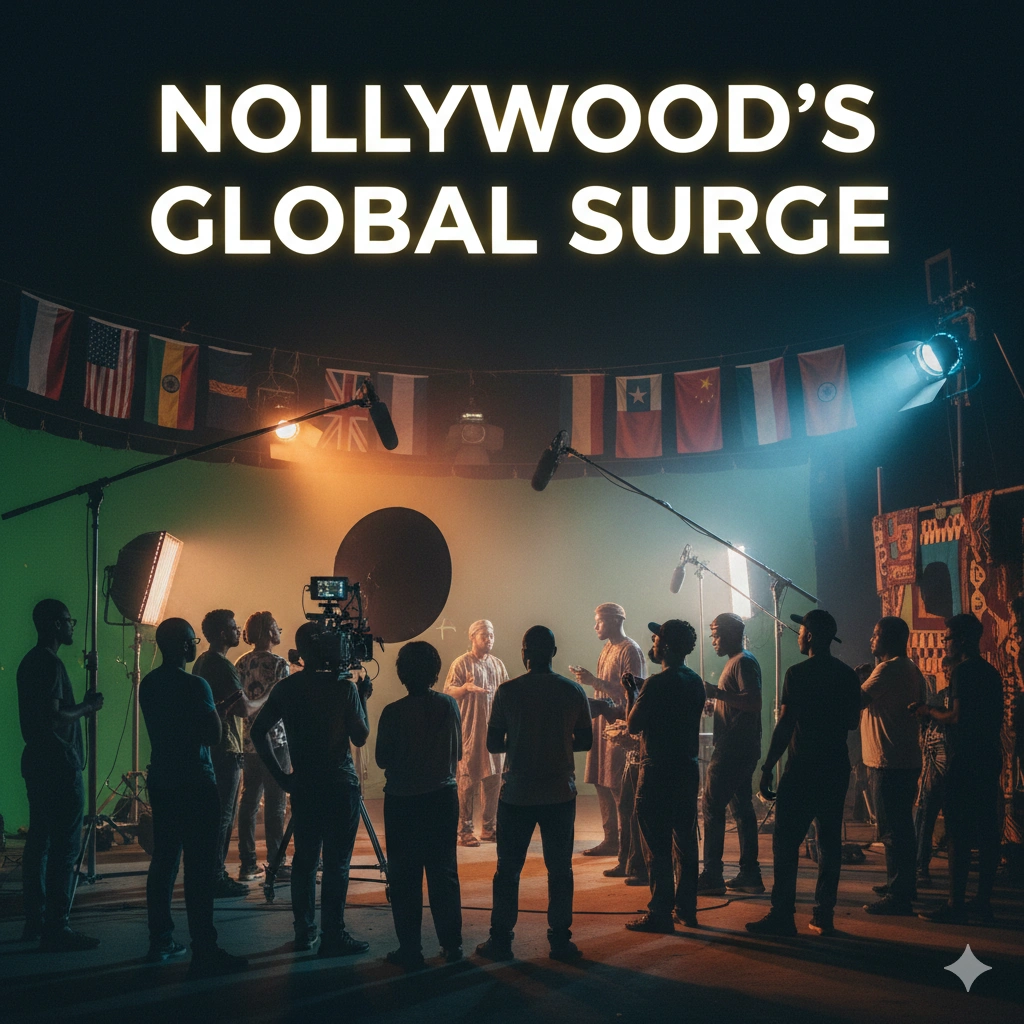
A major pillar of the Nollywood 2026 reforms is improving production standards across the industry. Dr. Nuhu emphasized partnerships with leading global film markets, including China and India, to secure co-productions and technical exchanges.
These collaborations are expected to bring not only financial investment but also new workflows, state-of-the-art equipment, and expertise in digital filmmaking. By boosting production value, Nigeria’s movies will meet international quality standards, enabling Nollywood films to compete on streaming platforms, global festivals, and theaters worldwide.
Expanding Funding and Investment Opportunities (H2)
The Nollywood 2026 reforms also focus on increasing access to funding. NFC is advocating for updated legislation to replace the 1979 NFC Act, with a new bill advancing in parliament.
These policy reforms aim to streamline incentives for investors, protect intellectual property, and unlock more government and private-sector support for local filmmakers. With improved financing frameworks, production companies can scale projects, hire local talent, and attract international partners, generating both economic growth and employment.
Training Over 2,500 Creatives Nationwide (H3)
The National Film Institute in Jos has trained over 2,500 creatives in areas ranging from digital content to festival management. Under the Nollywood 2026 reforms, the institute is ramping up programs in intellectual property, monetization, and content distribution.
Workshops and series teaching these skills prepare filmmakers to maximize earnings from both local and international platforms. Additionally, initiatives like ZUFF festival training provide networking opportunities, helping young filmmakers gain exposure while supporting industry sustainability.
Preserving Nigeria’s Cultural Heritage (H3)
Cultural preservation is a key aspect of the Nollywood 2026 reforms. Dr. Nuhu highlighted the revitalization of the Jos film archive, ensuring Nigeria’s cinematic history remains accessible for research, education, and inspiration.
By safeguarding archival content, future filmmakers can draw on rich storytelling traditions while promoting cultural identity internationally. The archive also supports collaborations with global institutions, enhancing Nollywood’s visibility and credibility.
International Partnerships to Expand Market Reach (H2)
Dr. Nuhu outlined ongoing talks with countries including Saudi Arabia, Brazil, and Canada to secure co-productions and distribution deals. The Nollywood 2026 reforms prioritize building long-term partnerships that channel foreign cash into local productions while creating sustainable employment for actors, directors, and technical staff.
Through these international ties, Nigeria aims to increase its share of the global film market, establish a presence in streaming services, and leverage festivals to showcase Nollywood stories to new audiences.
Collaboration with Guilds and Government (H3)
The Nollywood 2026 reforms stress teamwork with industry guilds to standardize practices, protect rights, and amplify Africa’s creative scene. NFC’s engagement with education regulators ensures that training programs align with national goals for economic growth, job creation, and cultural promotion.
By combining policy reform, professional development, and global outreach, Nigeria seeks to make Nollywood a central pillar of the creative economy, contributing to unity, tourism, and continental influence.
Conclusion: A Bold Leap Forward for Nollywood
The Nollywood 2026 reforms mark a decisive effort to modernize Nigeria’s film industry. With upgraded production quality, increased funding, skill-building programs, and international collaborations, Nollywood is poised for a global leap. Dr. Ali Nuhu’s vision positions the industry as a driver of economic growth, cultural preservation, and global recognition.
For further details on the reform initiatives, visit the Nigeria Film Corporation report
For more news, visit 360 News Orbit