
Lagos Crypto Boom is transforming how electronics importers in the Computer Village manage their international payments and logistics. This shift toward decentralized finance allows small business owners to bypass the bureaucratic bottlenecks of traditional banking systems. By utilizing stablecoins, these traders ensure that their capital remains fluid and their supply chains remain uninterrupted during volatile economic periods.
The adoption of digital assets is not merely a trend but a structural evolution in Nigerian commerce. It reflects a savvy response to the slow foreign exchange clearance times that have historically plagued West African trade hubs. As the digital economy matures, these informal networks are setting a new standard for cross-border efficiency. This Lagos Crypto Boom is a testament to the ingenuity of local entrepreneurs who prioritize speed and reliability above all else.
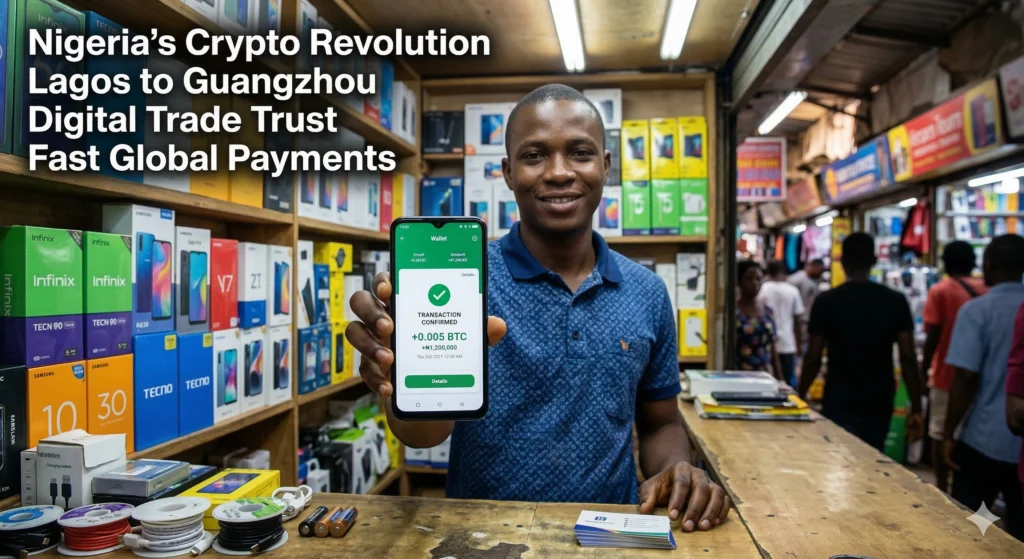
The Evolution of the Lagos Crypto Boom in Retail
The Lagos Crypto Boom has fundamentally altered the landscape of the Nigerian electronics market over the last three years. Historically, traders faced significant hurdles when attempting to settle invoices with their international partners in Guangzhou or Shenzhen. The traditional banking route often involved waiting weeks for dollar liquidity, which hindered the ability to restock popular consumer electronics quickly. Now, the integration of blockchain technology has provided a streamlined alternative that operates 24/7 without institutional delays.
This digital transition is fueled by the need for a stable medium of exchange that mirrors the value of the US dollar. Traders have found that using USDT allows them to lock in prices and avoid the rapid depreciation of the local currency. This strategy has turned the Computer Village into a hub of financial innovation where digital wallets are as common as physical cash. The Lagos Crypto Boom is therefore a calculated response to systemic financial friction.
Retailers are no longer dependent on the opening hours of commercial banks to send payments across oceans. By using peer-to-peer platforms, a shop owner in Ikeja can settle a debt with a manufacturer in China in under ten minutes. This rapid turnover of capital is a primary driver of the Lagos Crypto Boom, ensuring that the latest technology reaches Nigerian consumers faster than ever before. It represents a significant departure from the old ways of doing business in Africa.
Understanding the Mechanics of Rapid Cross-Border Trade
The mechanics of the Lagos Crypto Boom rely on a sophisticated blend of high-tech tools and traditional human trust networks. While the backend of these transactions involves complex blockchain verification, the user interface remains accessible to everyday merchants. Local brokers act as the bridge between the digital world and the physical marketplace, providing the necessary liquidity for large-scale operations. This hybrid model ensures that even those with limited technical knowledge can participate.
The process typically begins with a trader converting their naira into a stablecoin through a trusted local intermediary or a digital exchange. Once the digital assets are secured in a wallet, they are transferred to a Chinese broker who facilitates the final conversion. This method bypasses the need for the central bank’s intervention, which has often been a point of contention for importers. The Lagos Crypto Boom thrives because it solves the problem of accessibility.
Furthermore, the cost of these transactions is significantly lower than the fees charged by international wire services. By reducing the overhead associated with cross-border payments, traders can offer more competitive pricing to their end-users. The Lagos Crypto Boom is effectively subsidizing the growth of the SME sector by lowering the barriers to global entry. It is a democratization of finance that empowers the individual merchant.
Lagos Crypto Boom
The Lagos Crypto Boom is most evident in the way human trust networks have been digitized to support massive trade volumes. In the heart of the Computer Village, reputation is the most valuable currency, and blockchain technology simply provides a more secure ledger for these relationships. Brokers often stake their personal standing to guarantee that a digital transfer will result in a physical shipment of goods. This synergy of tradition and technology defines the current era.
The scale of this informal economy is staggering, with billions of dollars flowing through decentralized channels annually. The Lagos Crypto Boom has created a parallel financial infrastructure that is more resilient than the one it seeks to augment. Even when regulatory environments become challenging, the decentralized nature of these transactions allows them to adapt and persist. This resilience is a hallmark of the Nigerian entrepreneurial spirit.
Most observers agree that the Lagos Crypto Boom is not a temporary phenomenon but a permanent shift in trade dynamics. As more traders become comfortable with digital assets, the reliance on traditional fiat currency for international settlements will continue to decline. The success of this model in Nigeria is now being studied by other developing nations facing similar institutional gaps. It serves as a blueprint for grassroots financial liberation in the 21st century.
The Role of Stablecoins in Shielding Traders from Volatility
Stablecoins are the silent engine behind the Lagos Crypto Boom, providing a peg to the US dollar that the naira currently lacks. For a merchant buying inventory six months in advance, currency stability is the difference between profit and bankruptcy. By holding their assets in USDT, traders can accurately forecast their costs and protect their margins from sudden devaluations. This financial security is the bedrock of the current trading surge.
The preference for stablecoins over volatile assets like Bitcoin highlights the pragmatic nature of the Lagos Crypto Boom. Traders are not looking for speculative gains; they are looking for a reliable tool to facilitate commerce. The ability to send a dollar-equivalent token instantly across borders has revolutionized the “just-in-time” inventory model for Nigerian electronics shops. This efficiency is a direct result of the stability provided by these digital tokens.
Moreover, the transparency of the blockchain allows for easier tracking of funds compared to the opaque systems of informal money transmitters. While the system is informal, it is not invisible to those within the network, providing a layer of security that builds confidence. The Lagos Crypto Boom is built on this foundation of functional utility and risk mitigation. It allows businesses to thrive in an otherwise uncertain macroeconomic environment.
How Human Trust Networks Facilitate Technical Adoption
One of the most fascinating aspects of the Lagos Crypto Boom is the reliance on “trust brokers” who manage the technical side of the blockchain. Many older traders or those with less digital literacy rely on these experts to execute their trades. This communal approach to technology ensures that no one is left behind as the market evolves. The broker’s word is often enough to initiate a multi-million naira transaction.
These networks are deeply rooted in the social fabric of the marketplace, where families and business associates have worked together for decades. The Lagos Crypto Boom has successfully mapped these existing loyalties onto the digital plane. If a payment fails to reach a supplier, the local broker is held accountable, ensuring a level of consumer protection that is often missing in purely digital markets. This blend of accountability and innovation is unique.
As the Lagos Crypto Boom expands, these brokers are becoming the new bankers of the informal sector. They provide education, liquidity, and security to a vast network of retailers who might otherwise be excluded from global trade. This social infrastructure is just as important as the internet connectivity that powers the blockchain. It is a reminder that technology is most effective when it is integrated into existing human systems.
Comparative Advantages of Digital Assets Over Traditional Banking
- Transaction Speed: Digital payments are settled in minutes, whereas bank wires can take up to three weeks for full clearance.
- Lower Fees: Trading via the Lagos Crypto Boom reduces intermediary costs by eliminating multiple correspondent banks.
- 24/7 Availability: Unlike traditional banks, blockchain networks do not close for weekends or public holidays.
- Currency Protection: Holding funds in stablecoins protects the purchasing power of Nigerian traders against local inflation.
The disparity between the efficiency of the Lagos Crypto Boom and the legacy banking system is vast. When a trader needs to secure a limited batch of high-demand smartphones, every hour counts. The delay of a single week can mean the difference between capturing a market trend and losing out to a competitor. This competitive pressure is why the adoption of crypto has been so aggressive and widespread.
In addition to speed, the reduced documentation requirements make the Lagos Crypto Boom attractive to smaller retailers. Traditional banks often require extensive paperwork and proof of foreign exchange allocation that many small businesses cannot provide. Digital assets offer a path to global trade that is based on capital availability rather than administrative capacity. This inclusivity is a major factor in the system’s popularity.
The Impact of Retail Trade on National Crypto Volume
Retail transactions make up the vast majority of the activity within the Lagos Crypto Boom, indicating that this is a grassroots movement. Unlike some Western markets where crypto is dominated by institutional investors, Nigeria’s volume is driven by daily commerce. This high frequency of small to medium transactions creates a robust and liquid market. It proves that digital currency has found a legitimate “killer app” in African trade.
The concentration of this activity in hubs like the Computer Village creates a multiplier effect for the local economy. As traders become more efficient, they can expand their operations, hire more staff, and contribute more to the informal GDP. The Lagos Crypto Boom is essentially an engine for urban economic development. It showcases how technology can solve local problems without waiting for top-down government intervention.
Analysts have noted that the sheer volume of these retail trades makes the Nigerian market one of the most active in the world. The Lagos Crypto Boom is not just about moving money; it’s about moving goods and sustaining livelihoods. This connection to the physical economy gives the Nigerian crypto scene a level of stability that speculative markets lack. It is a system built on the exchange of tangible value.
Regulatory Adaptation and the Future of Informal Finance
The relationship between the Lagos Crypto Boom and official regulators has been complex and at times confrontational. However, the persistence of the network despite various bans shows that the demand for efficient payment systems is unstoppable. Traders have consistently found ways to adapt, shifting to over-the-counter (OTC) desks and private exchange groups. This adaptability is a key feature of the decentralized trade model.
Policymakers are now beginning to realize that the Lagos Crypto Boom provides a service that the current banking sector cannot match. There is a growing conversation about how to integrate these digital flows into the formal economy without stifling the innovation that makes them work. Any future regulation will need to account for the speed and flexibility that traders have come to expect. The goal is to provide a framework that enhances security while maintaining efficiency.
Looking ahead, the Lagos Crypto Boom is likely to integrate more deeply with other emerging technologies like AI-driven logistics and smart contracts. These tools will further automate the trade process, reducing the potential for human error and fraud. The foundation laid by the current crypto-adoption will support a new era of African digital sovereignty. Nigeria is currently at the forefront of this global shift.
Strengthening International Ties with Chinese Suppliers
The Lagos Crypto Boom has actually strengthened the relationship between Nigerian importers and Chinese exporters. Suppliers in China are increasingly comfortable accepting USDT because it can be easily converted into yuan for their domestic operations. This mutual acceptance has simplified the procurement process and built a bridge between two of the world’s most dynamic emerging economies. It is a South-South cooperation powered by code.
By removing the friction of the US dollar as a middleman, the Lagos Crypto Boom allows for more direct economic interaction. This directness reduces the influence of Western financial institutions on local trade patterns. It empowers Nigerian businesses to negotiate better terms and build long-term partnerships with their manufacturers. The result is a more resilient and independent supply chain for the entire region.
As these ties deepen, we may see the rise of more formal digital trade corridors that utilize the lessons learned from the Lagos Crypto Boom. The trust established during this period of informal growth will serve as the capital for future ventures. For now, the traders of the Computer Village continue to lead the way, proving that where there is a will for trade, technology will provide the way. The future of Nigerian commerce is digital, decentralized, and decidedly fast.
Security Measures for Traders in the Digital Economy
Participating in the Lagos Crypto Boom requires a high level of personal responsibility regarding digital security. Traders are increasingly educating themselves on the importance of private keys, two-factor authentication, and secure wallet management. This increase in digital literacy is an unintended but positive side effect of the shift away from traditional banking. The community has become its own first line of defense against cyber threats.
Peer-to-peer platforms used in the Lagos Crypto Boom often feature escrow services that protect both the buyer and the seller. These mechanisms ensure that funds are only released once the terms of the trade have been met. This digital safeguard, combined with the traditional trust networks, creates a multi-layered security environment. It is often safer than carrying large amounts of physical cash through the busy streets of Lagos.
Furthermore, the decentralized nature of the Lagos Crypto Boom means there is no single point of failure that a hacker can exploit. While individual wallets can be targeted, the system as a whole remains functional and secure. This systemic robustness is a major reason why the volume of trade continues to grow year after year. Traders feel empowered by the control they have over their own financial destiny.
The Socioeconomic Benefits of Faster Capital Turnover
The primary economic advantage of the Lagos Crypto Boom is the increase in the velocity of money. When capital is not tied up in banking delays, it can be reinvested much faster, leading to higher annual growth for small businesses. A trader who can complete four inventory cycles a year instead of two will see a dramatic impact on their bottom line. This efficiency is a catalyst for wealth creation in the retail sector.
Faster turnover also means that the Nigerian market can respond almost instantly to global product launches. When a new smartphone is released in Asia, it often appears on the shelves in Lagos within the same week, thanks to the Lagos Crypto Boom. This keeps the local market competitive and ensures that Nigerian consumers have access to the latest global innovations. It is a vital component of the country’s modern retail infrastructure.
The success of these traders also contributes to the broader ecosystem of logistics, marketing, and technical support services. The Lagos Crypto Boom supports thousands of jobs that are indirectly linked to the import-export business. By creating a more efficient core for the electronics trade, the digital economy is boosting the entire value chain. This holistic growth is essential for the long-term stability of the Nigerian urban economy.
Overcoming Infrastructure Challenges Through Innovation
While the Lagos Crypto Boom is highly successful, it does operate in an environment with significant infrastructure challenges. Unreliable internet and power supply are constant hurdles that traders must navigate. However, the mobile-first nature of blockchain technology allows for a level of flexibility that desktop-based banking does not. Most transactions are conducted on smartphones that can be charged with small solar setups or power banks.
The community has also developed “offline” methods for coordinating trades that are later settled on the blockchain. This illustrates the creative problem-solving that defines the Lagos Crypto Boom. Merchants do not wait for the perfect conditions to conduct business; they adapt their tools to fit the reality on the ground. This grit is what has made Nigeria a global leader in crypto adoption rates.
As infrastructure improves, the Lagos Crypto Boom will only become more powerful and efficient. The current reliance on mobile data is already being augmented by the rollout of 5G and better fiber optics in commercial districts. These improvements will allow for more complex automated trading systems to take root. The digital transformation of the Computer Village is still in its early stages, with much more growth on the horizon.
Comparing Global Trends in Informal Digital Finance
The Lagos Crypto Boom is part of a larger global trend where developing nations are leading the world in practical crypto usage. Similar patterns can be seen in Vietnam, the Philippines, and parts of Latin America. In these regions, digital assets are being used to solve real-world problems rather than as speculative investments. Nigeria, however, stands out for the sheer scale and organizational complexity of its trade networks.
What distinguishes the Lagos Crypto Boom is the tight integration between the digital ledger and the physical marketplace. In many other countries, crypto is used primarily for remittances, but in Nigeria, it is the primary tool for high-volume B2B commerce. This sophisticated use case places Nigeria at the cutting edge of the global financial revolution. It is a prime example of “leapfrogging” traditional institutional development.
International organizations are now looking at the Lagos Crypto Boom as a model for how to implement digital financial inclusion. The lessons learned in the Computer Village can be applied to other sectors like agriculture and manufacturing. By focusing on the needs of the end-user and leveraging existing social structures, digital finance can achieve massive scale in a very short time. The Nigerian experience is a valuable case study for the entire world.
Future Projections for the Digital Trade Corridor
Experts predict that the Lagos Crypto Boom will continue to expand as more industries adopt similar payment methods. We are already seeing the first signs of the automotive and textile sectors exploring stablecoin settlements. This cross-industry adoption will create a massive, unified digital market within Nigeria. The implications for the country’s trade balance and economic sovereignty are profound.
The eventual integration of Central Bank Digital Currencies (CBDCs) with the existing Lagos Crypto Boom networks is another area of interest. If the government can provide a digital naira that is as stable and easy to use as USDT, we could see a hybrid system emerge. This would combine the regulatory oversight of the state with the efficiency of the blockchain. Such a development would represent the ultimate maturation of the Nigerian digital economy.
In the meantime, the decentralized nature of the Lagos Crypto Boom ensures that it will remain the preferred choice for those who value speed and independence. The “human trust” element will always be the core of the system, providing a level of security that code alone cannot match. As we move further into 2026, the Computer Village remains a beacon of what is possible when technology meets entrepreneurial passion. The story of Nigeria’s crypto journey is far from over.
Conclusion: The Lasting Legacy of the Crypto Shift
The Lagos Crypto Boom has proven that the future of finance is not necessarily found in the halls of traditional banks, but in the hands of the people. By taking control of their own payment systems, Nigerian traders have bypassed decades of institutional neglect. They have built a system that is faster, cheaper, and more inclusive than anything that came before it. This legacy of innovation will inspire generations of African entrepreneurs to come.
As the world watches the continued success of the Lagos Crypto Boom, the narrative around digital assets is shifting from one of risk to one of opportunity. In the Computer Village, the benefits are clear: more trade, more growth, and more freedom. The digital revolution has arrived in Lagos, and it is powered by the collective trust of a community that refused to be held back. The rapid cross-border trade with China is just the beginning of a much larger economic transformation.
For more details & sources visit: The Conversation
Read more on Nigeria news: 360 News Orbit – Nigeria.