
Iraq Oil Transit has entered a state of diplomatic urgency as Baghdad initiates high-level contact with Tehran to ensure the continued passage of oil tankers through the Strait of Hormuz. This strategic move follows escalating regional tensions that threaten to disrupt one of the world’s most critical maritime chokepoints. As Iraq remains heavily dependent on southern exports through the Gulf, any closure or interference in the strait would represent a catastrophic blow to the national budget. Government officials are working tirelessly to secure guarantees that Iraqi crude remains insulated from broader geopolitical frictions. The success of these talks is vital for maintaining the delicate balance of the global oil market in 2026.
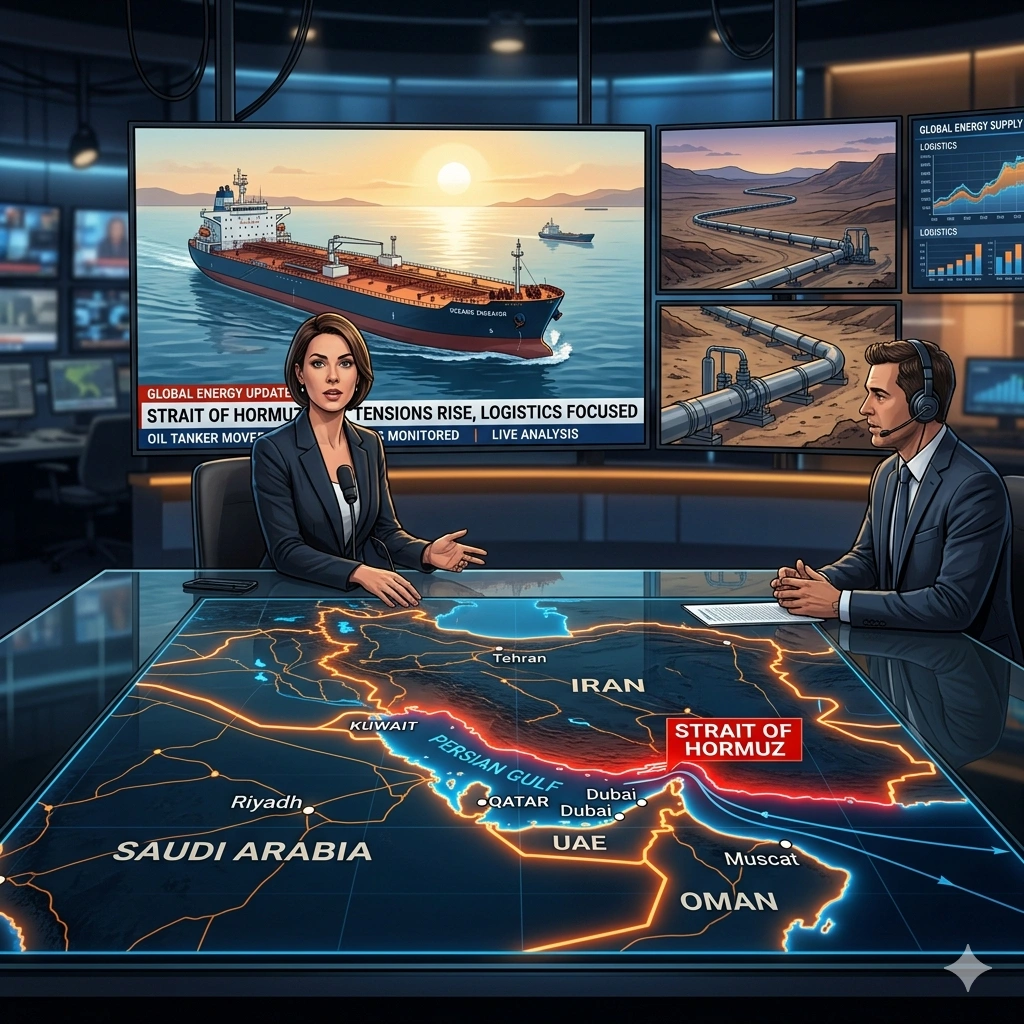
Diplomatic Maneuvers for Iraq Oil Transit
The current push for Iraq Oil Transit stability involves a series of complex negotiations between the Iraqi Ministry of Oil and Iranian maritime authorities. Baghdad is seeking a formal understanding that commercial vessels carrying Iraqi crude will be granted safe passage regardless of the political climate. These discussions are happening at a time when insurance premiums for Gulf shipping have reached record highs, putting immense pressure on state revenues. Prime Minister Sudani’s administration is positioning Iraq as a neutral economic actor that requires uninterrupted access to international waters to fulfill its OPEC+ quotas.
Reliable sources indicate that the Iraqi delegation is emphasizing the shared economic interests between the two neighboring nations. Iraq’s southern oil terminals at Basra handle over 90% of the country’s export volume, making the Strait of Hormuz an indispensable artery for survival. A disruption here would not only impact Iraq but would cause a massive spike in global energy prices, potentially triggering a worldwide recession. Consequently, the diplomatic outreach is viewed as a preventative measure to stave off a regional energy shock that no party can truly afford.
Furthermore, the Iraq Oil Transit negotiations are being monitored closely by international energy watchdogs and Western allies. There is a growing consensus that Iraq must diversify its export routes, yet the immediate reality remains tied to the Gulf. The ongoing dialogue with Iran is intended to create a “green corridor” for energy shipments, effectively decoupling oil exports from military posturing. While the outcome remains uncertain, the proactive nature of Iraq’s diplomacy suggests a high level of concern within the Ministry of Finance regarding potential supply chain blockages.
Iraq Oil Transit
The strategic importance of Iraq Oil Transit cannot be overstated in the context of the 2026 energy landscape. With northern export routes through Turkey still facing intermittent technical and political hurdles, the southern maritime path is the definitive lifeline for the Iraqi economy. The government has recently invested billions in upgrading the Basra oil terminals to increase loading capacity, but these upgrades are rendered moot if tankers cannot navigate the Strait of Hormuz safely. This dependency creates a vulnerability that Baghdad is now attempting to mitigate through direct bilateral engagement with Tehran.
Market analysts suggest that the Iraq Oil Transit issue is the primary factor currently driving volatility in Brent Crude futures. Traders are pricing in the “Hormuz Risk,” which keeps prices elevated despite fluctuations in global demand. Iraq’s ability to secure a guarantee of passage would likely stabilize markets and provide a much-needed sense of predictability for long-term buyers in Asia and Europe. The Ministry of Oil is reportedly considering a system of sovereign guarantees to further reassure international shipping companies that are hesitant to enter the Gulf.
The technical aspects of Iraq Oil Transit also involve coordination with the Iraqi Navy and regional maritime security forces. Protecting the vast fleet of Very Large Crude Carriers (VLCCs) requires constant monitoring and a clear communication channel with Iranian coastal guards. By establishing a direct link with Iran specifically for oil transit, Iraq hopes to avoid the miscommunications that have led to tanker seizures in the past. This specialized focus on energy logistics is a shift away from broader security talks toward practical, economics-first diplomacy.
Risks of a Hormuz Closure
A total blockage of the Strait of Hormuz would effectively end Iraq Oil Transit as we know it, creating an immediate deficit of millions of barrels per day. Such a scenario would lead to a rapid depletion of global inventories and force major economies to tap into their strategic reserves. For Iraq, the domestic impact would be a total halt in government salaries and public services, as the state remains almost entirely reliant on oil sales for its operational budget. The “worst-case scenario” planning currently underway in Baghdad highlights the extreme gravity of the situation.
The environmental risks associated with a conflict in the Iraq Oil Transit corridor are equally terrifying. Any damage to a fully loaded tanker in the narrow strait could lead to a massive oil spill, devastating the marine ecosystem and desalinating plants that provide water to millions in the region. This environmental threat serves as an additional lever in negotiations, as a localized disaster would affect all Gulf littoral states equally. Iraq is using these shared risks to build a coalition of support for keeping the energy lanes open and neutral.
- Global oil prices could exceed $150 per barrel if Iraq Oil Transit is fully blocked.
- Iraq’s GDP would contract by an estimated 70% within the first month of a maritime shutdown.
- Alternative pipelines through neighboring countries currently lack the capacity to replace the Gulf route.
- International shipping companies may demand a 300% increase in freight rates for “war zone” transit.
The psychological impact on the market is another risk that Baghdad is trying to manage. Even the threat of a closure can drive up the cost of living in Iraq due to the rising price of imported goods, which also travel through the same maritime routes. By securing the Iraq Oil Transit path, the government is also securing the supply chain for food and medicine. This multi-layered crisis management strategy demonstrates how inextricably linked oil logistics are to the overall national security of the Iraqi state.
Iraq’s Alternative Export Strategies
While the current focus is on securing the Strait of Hormuz, the Iraq Oil Transit crisis has reignited interest in alternative export corridors. The government is fast-tracking the development of the Basra-Aqaba pipeline, which would allow Iraqi crude to reach the Red Sea via Jordan. While this project has faced years of delays, the current pressure has turned it into a top-tier national priority. Diversifying the exit points for Iraqi oil is seen as the only long-term solution to the recurring “Hormuz trap” that haunts the country’s fiscal planning.
Additionally, Iraq is exploring the possibility of increasing its overland exports to Syria and Lebanon, although these routes remain plagued by security concerns and infrastructure decay. The Iraq Oil Transit strategy of the future will likely involve a web of pipelines stretching in all directions, reducing the country’s reliance on any single chokepoint. In the short term, however, the Ministry of Oil is focusing on repairing the northern pipeline to Ceyhan, Turkey, which has the potential to handle a significant portion of Kirkuk’s production.
The VC-led profit-sharing models used in other sectors are even being considered for infrastructure investment in the oil sector. By inviting private equity to fund pipeline construction, Iraq can accelerate its diversification without draining the central treasury. This innovative approach to Iraq Oil Transit financing marks a shift toward a more privatized and resilient energy infrastructure. If successful, these alternative routes will provide Iraq with the leverage it needs to navigate future regional conflicts without facing economic annihilation.
Impact on Asian Energy Markets
China and India are the primary recipients of crude via Iraq Oil Transit, and both nations are following the current negotiations with intense interest. As the top buyers of Basra Heavy and Basra Medium, these Asian giants require a steady and predictable flow of energy to fuel their industrial sectors. Any disruption in Iraq would force these countries to seek more expensive alternatives from West Africa or the Americas, shifting the entire global trade balance. Iraq’s diplomatic mission to Iran is, in many ways, an effort to protect its most valuable customer relationships.
Asian refineries are specifically calibrated to process the sulfur content and API gravity of Iraqi crude. Switching to other grades on short notice would lead to operational inefficiencies and higher gasoline prices for billions of consumers. Therefore, the Iraq Oil Transit talks are a matter of “energy security” for Beijing and New Delhi just as much as they are a matter of “economic survival” for Baghdad. The possibility of joint naval escorts provided by consumer nations has been discussed, though Iraq prefers a diplomatic solution involving regional players first.
- China currently imports over 1 million barrels per day through Iraq Oil Transit.
- India has replaced a significant portion of its Russian imports with Iraqi crude in early 2026.
- Southeast Asian economies rely on Iraqi oil to maintain their post-pandemic growth trajectories.
- A disruption would likely lead to a surge in the use of coal in Asia, setting back global climate goals.
The financial settlement systems for Iraq Oil Transit are also evolving. There is growing talk of using local currencies or digital assets to settle oil trades if traditional Western-led banking channels are disrupted by sanctions or conflict. This financial innovation is part of a broader trend toward “de-risking” the energy trade from geopolitical shocks. Iraq’s ability to maintain its market share in Asia depends entirely on its ability to prove that its transit routes are secure, reliable, and immune to the whims of regional rivals.
The Role of OPEC+ in Supporting Iraq
Within the OPEC+ framework, Iraq Oil Transit is viewed as a systemic risk that requires collective management. The organization has held several emergency meetings to discuss contingency plans should the Strait of Hormuz become impassable. While other members like Saudi Arabia and the UAE have pipelines that bypass the strait, Iraq remains the most exposed major producer. This disparity has led to calls for a “solidarity mechanism” where other producers would compensate for Iraqi shortfalls to prevent a global price explosion.
However, Iraq is hesitant to rely on the charity of its competitors. The Ministry of Oil is instead pushing for OPEC+ to use its diplomatic weight to pressure regional powers into respecting the neutrality of oil tankers. The Iraq Oil Transit issue is being framed as a global commons problem—similar to the freedom of navigation in the South China Sea. By internationalizing the issue, Baghdad hopes to create a deterrent against any state-sponsored interference with commercial shipping.
Moreover, the technical committees of OPEC+ are assisting Iraq in optimizing its storage capacity. By building massive tank farms near the southern ports, Iraq can continue production for several weeks even if tankers are temporarily unable to dock. This storage buffer is a critical component of the Iraq Oil Transit resilience strategy. It allows the country to maintain its production levels and avoid the technical damage associated with shutting down active oil wells, which can be difficult and expensive to restart once a crisis has passed.
Historical Context of the Tanker War
To understand the current anxiety surrounding Iraq Oil Transit, one must look back at the “Tanker War” of the 1980s. During the Iran-Iraq War, both sides targeted each other’s oil exports in a bid to cripple the opposing economy. This period saw hundreds of ships attacked and led to the direct intervention of the U.S. Navy to escort tankers. The memory of this era heavily influences current Iraqi policy, as the government is determined to avoid a repeat of a scenario where its primary source of income becomes a military target.
The modern Iraq Oil Transit environment is more complex due to the presence of non-state actors and advanced drone technology. While traditional naval battles are less likely, “shadow” attacks and sabotage present a constant threat. The current diplomatic outreach to Iran is an acknowledgment that security in the 25th century requires a combination of high-tech surveillance and old-fashioned “back-channel” communication. Iraq’s leaders are students of history, and they know that once the “war on tankers” begins, it is incredibly difficult to stop.
- The 1980s Tanker War led to a 25% reduction in global oil trade at its peak.
- Modern Iraq Oil Transit relies on much larger ships, making them easier targets for missiles.
- Regional security architectures have failed to provide a permanent solution for the Strait of Hormuz.
- Iraq’s current naval capacity is insufficient to protect its exports without international or regional help.
The current negotiations are also influenced by the 2019-2021 period, which saw several suspicious incidents involving tankers near the Port of Fujairah. These events served as a wake-up call for Baghdad, proving that the Iraq Oil Transit route could be disrupted without a formal declaration of war. By seeking a “non-interference” pact now, Iraq is trying to codify a set of rules for the Gulf that protects the economic interests of all nations, regardless of their political or religious differences.
Future Outlook for Energy Logistics
As we look toward the end of 2026, the success of the Iraq Oil Transit initiatives will determine the country’s path toward modernization. If the Strait remains open and the diplomatic efforts bear fruit, Iraq can continue to use its oil wealth to fund the “Development Road” project—a massive rail and highway network connecting the Gulf to Europe. This project would transform Iraq from a simple oil producer into a global logistics hub, providing a long-term hedge against the eventual decline of the fossil fuel era.
The stability of Iraq Oil Transit is also a prerequisite for the country’s ambitious plans to capture associated petroleum gas (APG). By reducing flaring and using the gas for domestic power generation, Iraq can become more self-sufficient and less reliant on energy imports from its neighbors. However, the international investment required for these gas projects will only materialize if the export routes for oil are deemed safe. Investors need to know that their capital is not at risk of being stranded by a sudden maritime blockade.
- Iraq aims to reach a production capacity of 7 million barrels per day by 2028.
- New maritime security protocols are being developed in coordination with the UN.
- Digital “smart buoys” are being deployed to monitor Iraq Oil Transit lanes in real-time.
In conclusion, the Iraq Oil Transit crisis is a defining challenge for the Sudani government. The move to engage Iran directly shows a pragmatic and necessary shift in Iraqi foreign policy. By prioritizing the flow of oil above all else, Baghdad is attempting to shield its citizens from the harsh realities of regional conflict. The world watches with bated breath, knowing that the stability of the global economy may very well depend on the success of these quiet talks in the halls of power in Baghdad and Tehran.
Technological Solutions for Maritime Safety
One of the overlooked aspects of the Iraq Oil Transit security strategy is the deployment of advanced surveillance technology. The Iraqi Ports Authority has recently partnered with international tech firms to install AI-driven monitoring systems along the Shatt al-Arab and the approaches to the Gulf. These systems can identify “dark ships” that have turned off their transponders and alert authorities to potential threats long before they reach Iraqi waters. This technological shield is a vital secondary layer to the ongoing diplomatic efforts.
The use of unmanned surface vessels (USVs) for patrolling Iraq Oil Transit lanes is also being trialed. These drones can provide a constant presence in the Gulf without putting sailors at risk. They are equipped with high-resolution cameras and sensors that can detect underwater mines or approaching hostile craft. By integrating these tools into their security framework, Iraq is demonstrating a commitment to protecting international shipping that goes beyond mere rhetoric.
- AI monitoring reduces the response time to maritime incidents by over 50%.
- Satellite tracking provides 24/7 visibility for every tanker involved in Iraq Oil Transit.
- Blockchain technology is being explored to secure the manifest data of oil shipments.
- Enhanced cybersecurity measures protect the loading terminals from remote hacking attempts.
The integration of these technologies into the Iraq Oil Transit ecosystem also helps in reducing insurance costs. When Lloyd’s of London and other insurers see a robust, tech-enabled security presence, they are more likely to lower the “war risk” surcharges that currently plague Iraqi exports. This direct financial benefit helps keep Iraqi oil competitive in a crowded global market. Technology, therefore, serves as both a physical protector and a financial stabilizer for the nation’s most important industry.
Final Economic Verdict
The stakes for Iraq Oil Transit have never been higher. With the global transition to renewable energy looming on the horizon, Iraq has a limited window to maximize the value of its hydrocarbon reserves. Every day that the Strait of Hormuz remains under threat is a day of lost opportunity for the Iraqi people. The current diplomatic “full-court press” is a recognition that the country’s future depends on its ability to navigate the treacherous waters of Middle Eastern politics with finesse and resolve.
The successful securing of Iraq Oil Transit routes will provide the fiscal space needed for Iraq to diversify its economy and reduce its dependence on the “black gold” that currently defines its existence. It is a race against time, where the prizes are national stability and economic prosperity. As the negotiations continue, the focus remains on a single, unwavering goal: ensuring that the tankers continue to move, the oil continues to flow, and the lights stay on in Baghdad and beyond.
For more details & sources visit: Middle East Online
Read more about Iraq news on 360 News Orbit – Iraq.