
The Indonesia film financing plan marks a major policy shift as the Indonesian government introduces a new funding mechanism aimed at protecting intellectual property (IP) while attracting both domestic and international investors. Announced on December 25, 2025, this initiative is designed to strengthen the country’s film and creative industries by addressing long-standing financial and structural barriers.
By recognizing intellectual property as a legitimate financial asset, Indonesia is aligning its creative economy with global financing standards. This move not only supports filmmakers and content creators but also sends a strong signal to investors that Indonesia is serious about building a sustainable, IP-driven creative ecosystem.
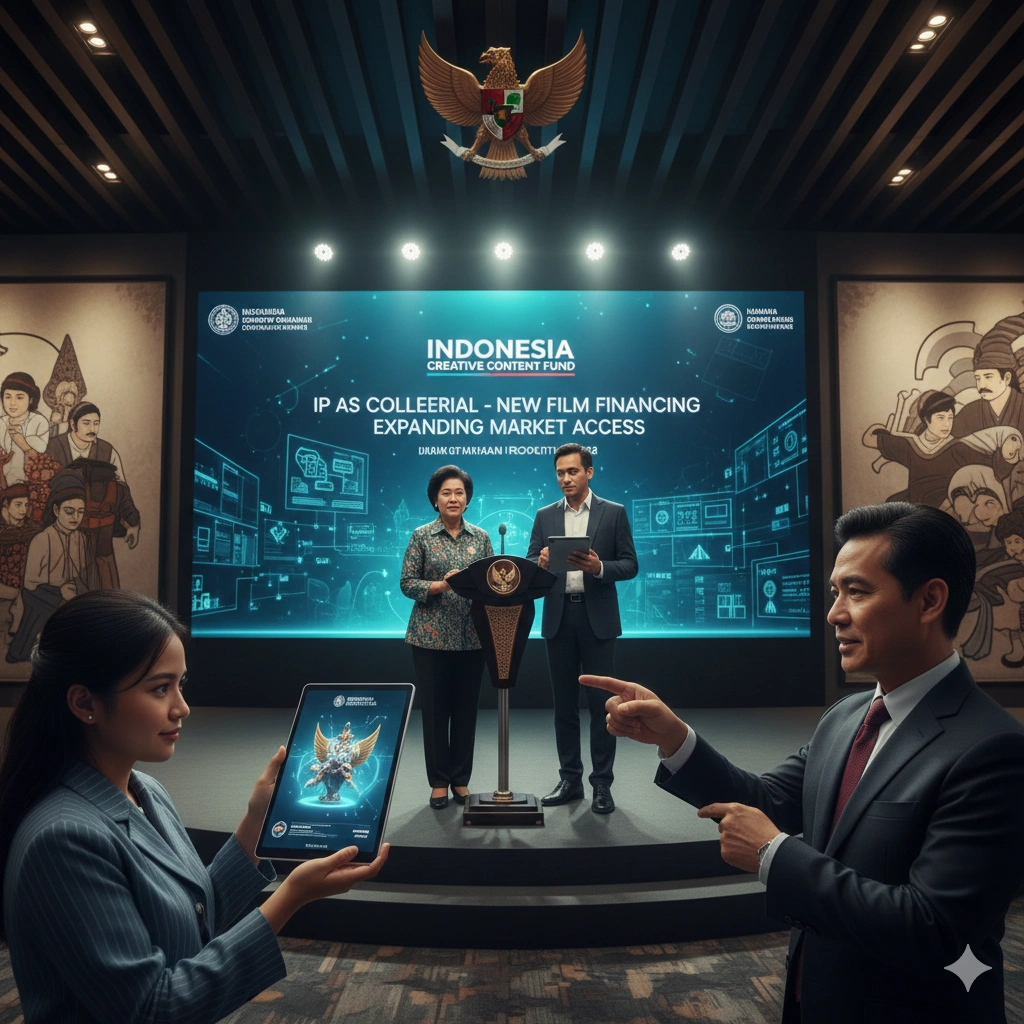
Why Indonesia Needs a New Film Financing Plan
Indonesia’s film industry has demonstrated consistent creative growth, with local productions gaining popularity at home and increasing recognition abroad. However, despite this momentum, the sector continues to struggle with limited access to structured financing, particularly for independent filmmakers and emerging studios.
Creative Economy Minister Teuku Riefky Harsya emphasized that weak IP commercialization and a lack of venture capital have constrained the film subsector. Most financial institutions remain hesitant to fund creative projects due to the absence of tangible collateral, making long-term financing difficult and risky for creators.
This gap has slowed industry expansion and limited the ability of Indonesian films to compete internationally. The Indonesia film financing plan is intended to resolve these challenges by introducing financial instruments tailored specifically to the needs of the creative sector.
IP as Collateral: A Game-Changer for Film Financing
At the core of the Indonesia film financing plan is the formal recognition of intellectual property as collateral. This policy allows copyrights, licensing rights, and distribution revenues to be valued as financial assets that can secure loans or attract equity investment.
By legitimizing IP-backed financing, the government is reducing perceived risk for investors while giving creators greater financial flexibility. This approach is already common in mature creative economies and has proven effective in supporting film, music, and digital content industries.
Key advantages of IP-backed financing
- Lower investment risk for lenders
- Long-term funding stability for creators
- Improved investor confidence
- Formal valuation of creative assets
This model aligns Indonesia with global best practices already used in advanced creative economies.
Indonesia Creative Content Fund (ICCF): Bridging the Funding Gap
To support the implementation of the new financing system, the government is launching the Indonesia Creative Content Fund (ICCF). The fund is designed to address funding gaps faced by creators and help scale high-potential projects across multiple creative sectors.
The ICCF will focus not only on film but also on gaming and digital applications, ensuring that content creators gain access to structured financing and professional market channels. By centralizing funding support, the ICCF strengthens the entire creative value chain—from production to distribution.
In addition, the fund aims to expand market access for Indonesian content producers, enabling them to reach international platforms and audiences. This institutional support is critical for improving export readiness and enhancing the global competitiveness of Indonesian creative products.
Indonesia’s Creative Economy in a Global Context
The Indonesia film financing plan reflects a broader national commitment to developing the creative economy as a strategic growth engine. By integrating policy reform, institutional funding, and intellectual property protection, Indonesia is building a more resilient creative ecosystem.
As implementation progresses, Indonesia has the potential to become a regional leader in creative industry financing and innovation.
Conclusion
The launch of the Indonesia film financing plan represents a landmark moment for the country’s film and creative sectors. By recognizing IP as collateral, establishing dedicated funds, and strengthening institutional support, the government is addressing long-standing barriers to growth.
With investor incentives, professional infrastructure, and global market access, this initiative could redefine how creative industries are financed in Indonesia—and serve as a model for other emerging creative economies.
For more details & sources visit: Antara News
For the latest updates from Indonesia, visit our Indonesia news page.