
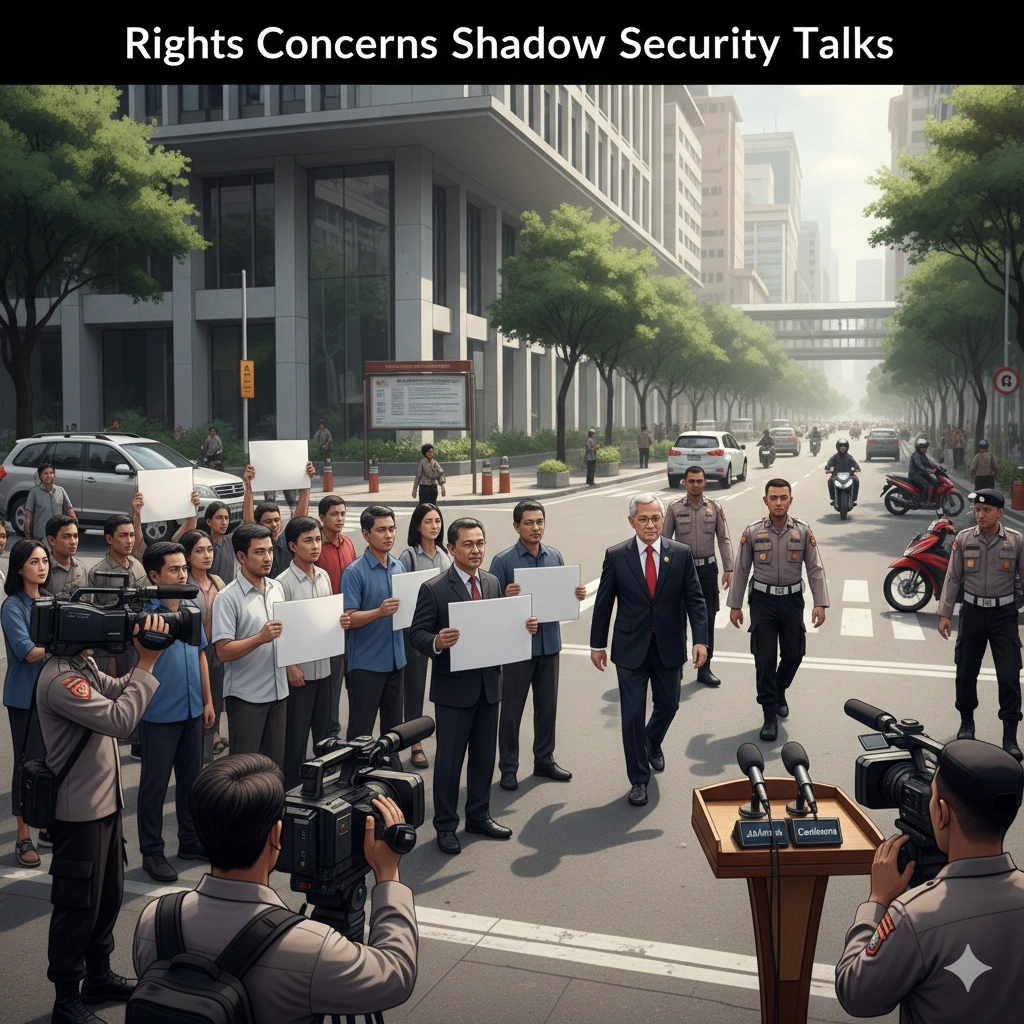
Indonesia crackdown on critics is drawing growing international attention as President Prabowo Subianto intensifies pressure, raising concerns about civil society, governance, and human rights. This surge in pressure on dissenting voices comes at a critical moment, as Indonesia and Australia advance toward a landmark bilateral security treaty.
What the Crackdown on Critics Entails
Under Prabowo’s leadership, analysts note that Indonesia’s democratic space is under significant strain. Civil society organizations, activists, and NGOs—long-standing advocates for accountability—are increasingly targeted. Measures include heightened legal scrutiny, regulatory pressures, and the potential use of digital surveillance tools aimed at countering “foreign propaganda” or disinformation.
Experts warn that these actions are reminiscent of longer-term institutional weakening that began under former president Joko Widodo. With a broad governing coalition and limited political opposition, civil society remains one of the few independent checks on executive power.
Implications for the Australia-Indonesia Security Treaty
The crackdown has implications beyond Indonesia’s borders. Australia, Indonesia’s close neighbor and partner, has been negotiating a major security treaty designed to strengthen regional cooperation. However, analysts caution that Indonesia’s domestic pressures on critics could complicate treaty negotiations and post-signing implementation.
Concerns include the potential for new legislation or digital tools to impact foreign nationals or organizations, including Australian institutions working in Indonesia. As a result, Canberra may need to weigh human rights considerations alongside security priorities.
Controversial Political Appointments Fuel Debate
In addition to the crackdown, political appointments have stirred public discussion. For example, parliament recently approved Prabowo’s nephew for a seat on the central bank board. Critics argue that such moves threaten institutional independence and undermine governance norms. This further highlights the growing scrutiny of Prabowo’s administration both domestically and internationally.
Risks to Civil Society and Governance
Civil society groups face heightened risks, including restricted funding, reputational attacks, and possible legal challenges. Analysts emphasize that these pressures can weaken transparent governance, limit public discourse, and reduce Indonesia’s credibility in international partnerships.
The crackdown also poses a broader regional concern, as Southeast Asia increasingly navigates tensions between democratic governance and state control. The treatment of critics in Indonesia may influence perceptions of the country’s stability and openness, which are crucial for investors, NGOs, and foreign governments.
International Reactions to Indonesia Crackdown on Critics
The Indonesia crackdown on critics has drawn widespread international concern, with human rights organizations urging Jakarta to respect freedom of expression. Several UN bodies and regional NGOs have highlighted the need for stronger protections for journalists, activists, and civil society groups facing legal or political harassment.
Meanwhile, foreign governments are monitoring the situation closely, particularly countries with close diplomatic or trade ties to Indonesia. Analysts warn that continued suppression of dissent could affect foreign aid, investment, and bilateral cooperation, putting additional pressure on the government to balance security priorities with international norms.
Digital Surveillance and the Impact on Public Discourse
Part of the Indonesia crackdown on critics involves expanding digital monitoring and legislation targeting “misinformation” online. Experts fear that such measures may inadvertently stifle legitimate debate, curbing freedom of speech on social media platforms and news outlets.
The use of sophisticated surveillance tools has also sparked concerns among tech companies and international organizations about privacy violations. This digital dimension of the crackdown may extend beyond Indonesia’s borders, influencing how foreign nationals and institutions engage with local civil society groups.
Economic and Investment Implications of the Crackdown
The ongoing Indonesia crackdown on critics could have broader economic repercussions, especially for foreign investors seeking a stable and transparent environment. Reduced institutional independence and the targeting of NGOs may signal heightened political risk, potentially affecting investor confidence.
Financial markets and multinational companies are increasingly attentive to governance and regulatory stability. Analysts note that sustained pressure on critics might lead to more cautious investment strategies, particularly in sectors reliant on public trust and international partnerships.
Looking Ahead: Balancing Security and Rights
Observers suggest that while security cooperation with Australia remains strategically important, it cannot be isolated from Indonesia’s domestic political climate. A balanced approach is necessary, ensuring that treaties reinforce regional stability without overlooking civil liberties.
Indonesia’s trajectory over the coming years will likely shape not only bilateral relations with Australia but also its global standing in terms of human rights and democratic norms.
For more details & sources visit: The Conversation
For the latest updates from Indonesia, visit our Indonesia news page.