
The U.S. Department of Defense is reportedly testing a device that emits pulsed radio waves, which may be connected to the mysterious Havana Syndrome affecting American diplomats. The revelations come from a CNN report highlighting ongoing efforts to understand years of unexplained neurological symptoms reported worldwide by U.S. officials.
Understanding Havana Syndrome
First documented in Cuba in 2016, Havana Syndrome, now officially termed “anomalous health incidents” (AHIs), has left U.S. personnel experiencing dizziness, memory loss, headaches, and other cognitive issues. The cause of these symptoms has been fiercely debated. Some experts suggest directed energy exposure, while others point to neurotoxins or psychological stress as potential triggers.
Despite extensive research, including NIH-led MRI studies showing no structural brain damage, questions remain about the potential role of electromagnetic or radio-frequency exposure.
The Pentagon’s Radio-Wave Device
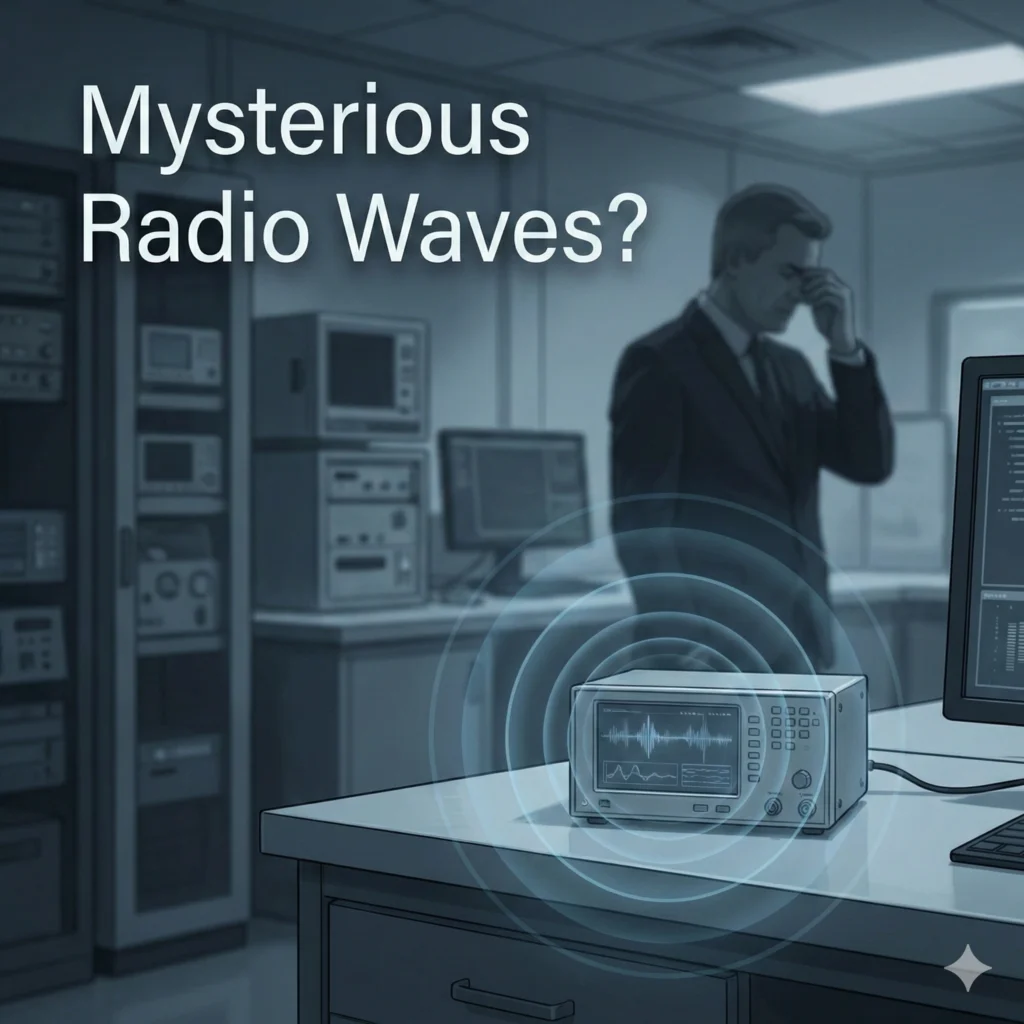
According to CNN, Pentagon researchers are evaluating a high-energy device capable of generating pulsed radio waves. This technology is one of the suspected contributors to the neurological symptoms observed in affected personnel. While testing is ongoing, the results could provide critical insights into whether radio-wave exposure might explain Havana Syndrome cases.
Neither the Department of Defense nor the Department of Homeland Security has publicly commented on these tests. This silence has left both the scientific and intelligence communities searching for conclusive evidence regarding the cause of these incidents.
Scientific and Global Implications
The testing of such devices could have significant implications for international security and medical research. Understanding whether pulsed radio waves can trigger neurological issues could lead to the development of protective measures for diplomats, military personnel, and other government officials exposed to high-frequency emissions.
Experts emphasize that while theories about directed energy weapons remain speculative, investigating them is crucial to ensure the safety of those stationed overseas.
Global Havana Syndrome Cases and Patterns
Since the initial reports in Cuba, Havana Syndrome cases have surfaced across multiple continents, affecting U.S. diplomats, intelligence officers, and military personnel in Europe, Asia, and even Washington, D.C. The global spread has raised concerns that these anomalous health incidents may not be isolated or accidental. Investigators are closely examining whether common environmental or technological factors exist across locations where symptoms were reported.
Patterns in timing, location, and symptom onset have fueled speculation that pulsed radio-wave exposure could be involved. Some incidents occurred near diplomatic compounds or secure facilities, strengthening arguments that a targeted mechanism may be at play. While no definitive source has been identified, the consistency of reported neurological effects continues to keep Havana Syndrome under intense international scrutiny.
Radio-Frequency Exposure and Neurological Research
The potential link between radio-frequency energy and neurological symptoms has become a growing area of scientific interest. Researchers are exploring how prolonged or high-intensity exposure to electromagnetic waves might affect brain function, balance, and cognitive processing. Although standard consumer devices emit radio waves at safe levels, military-grade or experimental systems operate at far higher intensities.
Ongoing studies aim to determine whether pulsed radio waves can disrupt neural signaling without leaving visible damage on MRI scans. This possibility aligns with findings from NIH research showing no structural brain injury in Havana Syndrome patients, despite persistent symptoms. If confirmed, this research could redefine how governments assess non-visible neurological threats and influence future safety standards for personnel working in high-risk environments.
The Road Ahead
The mystery surrounding Havana Syndrome continues to challenge scientists, policymakers, and intelligence analysts. With the Pentagon actively testing devices like the pulsed radio-wave generator, there is hope that definitive answers will emerge regarding the true causes of these puzzling health incidents.
As research progresses, it remains critical to monitor findings, adapt protective protocols for U.S. personnel abroad, and understand the potential role of electromagnetic exposure in neurological health.
For more details & sources visit: Scientific American
For the latest updates from the United States, visit our U.S. news page.