
The Free Ramadan Events initiative for 2026 has been officially unveiled by the United Arab Emirates authorities, marking a significant shift toward accessible cultural enrichment. This comprehensive programming allows both residents and tourists to experience the spiritual essence of the holy month without financial barriers. Major landmarks across the country, including the prestigious Mohammed Bin Rashid Library in Dubai and the historic Al Dhaid Fort in Sharjah, are set to transform into vibrant community hubs. These initiatives reflect a national commitment to fostering inclusivity and celebrating traditional values during this sacred time.
As the moon sighting approaches, the announcement of Free Ramadan Events serves as a beacon for families seeking meaningful ways to connect with local heritage. Government officials have emphasized that making these high-quality cultural experiences accessible to all segments of the population is a priority for 2026. By removing admission fees at iconic venues, the UAE is ensuring that the spirit of giving and community interaction remains at the forefront of the season’s celebrations. This move is expected to drive significant footfall to historic sites and modern architectural marvels alike.
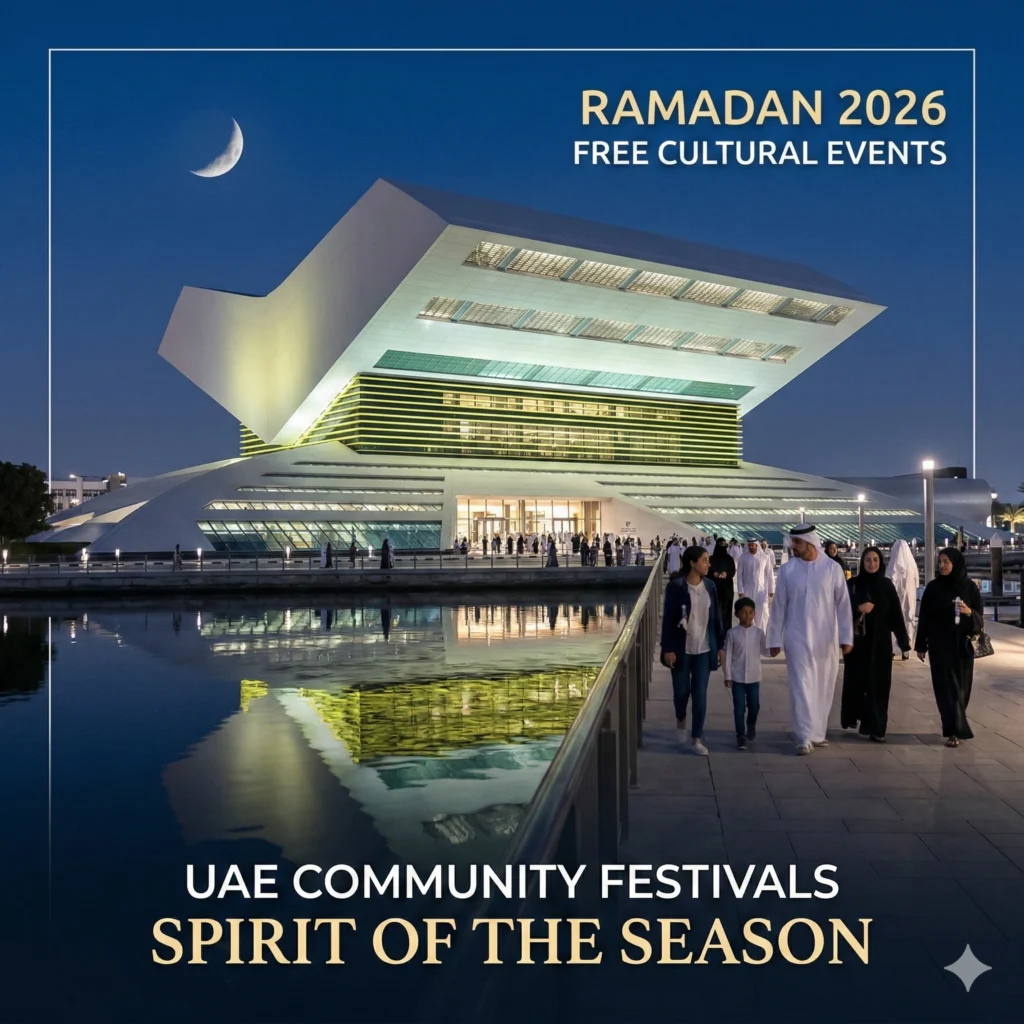
Strategic Cultural Programming in Dubai and Sharjah
The distribution of these Free Ramadan Events across the various emirates ensures that no resident is far from a center of celebration. Dubai’s focus on the Mohammed Bin Rashid Library highlights a blend of modern intellectualism and spiritual reflection, offering a unique venue for nightly gatherings. Meanwhile, Sharjah’s activation of the Al Dhaid Fort brings a deep sense of history to the festivities, allowing younger generations to engage with their roots in an interactive environment. This dual approach caters to a diverse demographic, from history buffs to those seeking contemporary community activities.
Furthermore, the Free Ramadan Events are meticulously designed to include educational components that explain the significance of traditional customs. At Al Dhaid Fort, visitors can expect storytelling sessions that recount the life of ancestors in the region, while the library in Dubai will host seminars on Islamic art and calligraphy. These programs transform simple outings into profound learning experiences, bridging the gap between the past and the present. The synergy between these locations showcases the UAE’s ability to preserve its identity while embracing a future-forward cultural strategy.
Community leaders have lauded the Free Ramadan Events as a vital tool for social cohesion in a rapidly growing nation. In a city as cosmopolitan as Dubai, these festivals provide a common ground where people of all nationalities can learn about the local culture in a welcoming setting. The shared experience of attending a festival at an iconic landmark fosters a sense of belonging that is central to the Ramadan spirit. By providing these spaces for free, the government is effectively investing in the social fabric of the United Arab Emirates.
Free Ramadan Events
The sheer scale of the Free Ramadan Events planned for 2026 indicates a well-coordinated effort between municipal authorities and cultural departments. From the heart of the city to the quiet reaches of the desert forts, the festive spirit will be inescapable. Each venue is expected to offer a distinct flavor of celebration, ranging from traditional souqs and craft markets to high-tech light shows that tell the story of the holy month. This variety ensures that every visit to a participating landmark offers a fresh perspective on the season’s significance.
Security and logistics for the Free Ramadan Events are being handled with the utmost precision to ensure a seamless experience for the thousands of expected visitors. Public transport links to major sites like the Mohammed Bin Rashid Library are being bolstered, and dedicated parking zones are being established near Al Dhaid Fort. These logistical considerations are crucial for maintaining the “free and easy” nature of the festivals, allowing families to focus on the spiritual and social aspects of their visit rather than the stress of navigation.
Moreover, the Free Ramadan Events serve as a testament to the UAE’s position as a global cultural destination during the spring season. Tourists visiting the country in 2026 will find a wealth of activities that go beyond the typical shopping and dining experiences. Engaging with local traditions at a fort or a world-class library provides a more authentic glimpse into the soul of the Emirates. This strategic move not only benefits residents but also bolsters the nation’s “soft power” by showcasing its hospitality and cultural richness to the world.
Impact on Local Families and Tourism
For many families, the availability of Free Ramadan Events provides a much-needed relief from the rising costs of entertainment. With multiple children, attending high-end festivals can often be a significant financial burden, but the 2026 initiative removes this obstacle entirely. Families can now plan multiple outings throughout the month, visiting different emirates to experience the unique programming at each location. This encourages domestic tourism and helps residents discover parts of their own country they may have previously overlooked.
The economic ripple effect of the Free Ramadan Events should not be underestimated, as increased footfall at landmarks often benefits nearby small businesses. Local cafes, traditional garment sellers, and artisans are expected to see a surge in demand as crowds gather for the nightly festivities. Even though the events themselves are free, the surrounding economic ecosystem thrives on the vibrant energy these festivals create. This holistic approach ensures that the “Ramadan Economy” is inclusive and benefits the wider community beyond the official venues.
Top Venues to Visit This Month
- Mohammed Bin Rashid Library: Best for intellectual discussions and modern Islamic art exhibitions.
- Al Dhaid Fort: Ideal for those seeking a traditional Emirati experience and historical storytelling.
- Dubai Creek Waterfront: Featuring community iftars and light installations that reflect on the water.
- Sharjah Heritage Area: A hub for traditional crafts, folk music, and local food tastings.
In addition to these major sites, smaller Free Ramadan Events will be popping up in neighborhood parks and community centers. These localized celebrations ensure that elderly residents and those without easy access to the city centers can still participate in the festivities. The inclusivity of the 2026 plan is one of its most praised features, reflecting the core Islamic values of charity and community support that define the holy month.
Preserving Heritage through Modern Festivals
The decision to host Free Ramadan Events at historic sites like Al Dhaid Fort is a deliberate move to revitalize interest in the nation’s architectural history. These ancient structures are not just relics of the past but living spaces that continue to serve the community in the present. By bringing the energy of a modern festival to a 19th-century fort, the government is making history relatable to the younger generation. This ensures that the stories of the desert and the sea are passed down through the ages.
Similarly, the Free Ramadan Events at the Mohammed Bin Rashid Library highlight the importance of knowledge in Islamic culture. The library, shaped like an open book, is a perfect symbol for a month that began with the revelation of the Quran. Hosting cultural and spiritual events here reinforces the link between faith and the pursuit of wisdom. It encourages visitors to explore the vast collections of books and manuscripts available, turning a festive visit into an opportunity for personal growth and academic exploration.
Key Cultural Highlights to Watch
- Interactive “Haq Al Laila” celebrations for children to learn about traditional gifting.
- Live demonstrations of traditional Emirati cooking, focusing on heritage recipes.
- Calligraphy workshops led by world-renowned artists at various library locations.
- Nightly projections on the walls of Al Dhaid Fort depicting the history of the region.
As we look toward the middle of the month, the schedule for Free Ramadan Events is expected to expand with even more diverse offerings. Authorities have hinted at surprise “pop-up” events in the desert and coastal regions to further spread the festive cheer. This dynamic approach keeps the community engaged and encourages people to stay active and social during their fast. The 2026 Ramadan season is shaping up to be one of the most culturally significant in the country’s history.
Safety and Public Health Priorities
Ensuring the safety of attendees at these Free Ramadan Events remains a top priority for the UAE government. Large-scale gatherings are being managed with high-tech crowd monitoring and dedicated medical tents at every major venue. While the atmosphere is one of celebration, the underlying infrastructure is robust and designed to handle peak attendance during the weekends. This professional management allows families to relax and enjoy the programming with peace of mind.
Furthermore, the Free Ramadan Events are being conducted with a strong emphasis on environmental sustainability. Organizers are implementing “zero-waste” initiatives at the food stalls and encouraging visitors to use reusable water bottles at the various landmark sites. By integrating these modern values into traditional celebrations, the UAE is setting a global standard for how large-scale cultural festivals can be both meaningful and environmentally responsible. It is a balanced approach that respects the past while protecting the future.
The integration of technology into the Free Ramadan Events also extends to how visitors interact with the sites. Many of the historical markers at Al Dhaid Fort now feature QR codes that offer audio tours in multiple languages, making the heritage accessible to international tourists. This digital layer adds depth to the physical experience, allowing for a self-guided journey through time. It is a perfect example of how the UAE uses innovation to enhance the accessibility of its most cherished cultural assets.
The Future of Cultural Tourism in the UAE
The success of the 2026 Free Ramadan Events will likely pave the way for similar initiatives in the years to come. By proving that free, high-quality programming can drive community engagement and boost the national image, the government is creating a new blueprint for cultural tourism. This model prioritizes human connection and cultural exchange over commercial gain, which resonates deeply with the spirit of the holy month. It positions the UAE as a leader in the global cultural landscape.
As the month concludes, the legacy of the Free Ramadan Events will be found in the memories created by families across the nation. The children who attended a workshop at the library or watched a light show at the fort will carry those cultural lessons forward. In a world that is increasingly digital and disconnected, these physical gatherings at landmarks provide a vital touchstone for community identity. The UAE’s investment in these festivals is, ultimately, an investment in its people.
The 2026 Free Ramadan Events represent a landmark moment in the UAE’s cultural history. From the intellectual halls of the Mohammed Bin Rashid Library to the rugged walls of Al Dhaid Fort, the nation is open to all who wish to celebrate. These festivals offer a unique blend of the old and the new, the spiritual and the social. As the sun sets each day during the holy month, these venues will come alive with the sounds of community, reflection, and joy, proving once again that the best things in life—and in culture—are often free.
For more details & sources visit: Khaleej Times
Stay informed with the latest United Arab Emirates news on 360 News Orbit – UAE.