
The EWTN documentary Algeria story is gaining global attention as EWTN releases a powerful film examining Christian life in Algeria. The documentary, created by journalist Colm Flynn, explores how faith, identity, and coexistence shape everyday life for Christians in a country where Islam is the dominant religion.
According to reports highlighted by Broadcast Media Africa, the film provides a rare on-ground perspective into religious coexistence, interfaith dialogue, and the cultural realities facing minority communities. The documentary travels across major Algerian cities, presenting stories of resilience, service, and mutual respect.
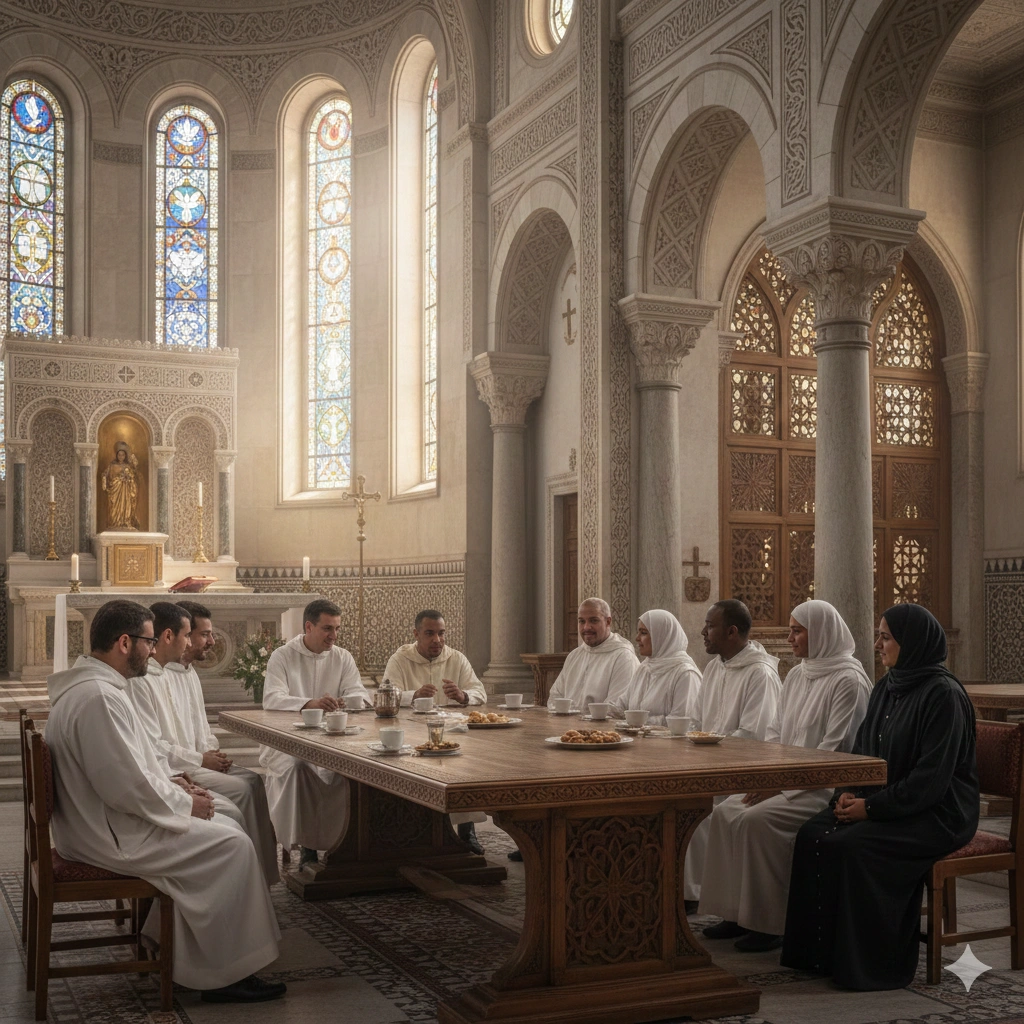
Journey Through Algeria’s Religious and Cultural Landscape
Filming spans several major urban and historical centers, including Annaba, Constantine, Oran, and Algiers. Each location highlights different dimensions of religious history and modern social realities. By moving between coastal, historical, and political centers, the EWTN documentary Algeria presents a broader picture of how faith communities function within diverse social environments.
One of the most emotional moments captured in the film is the episcopal ordination of Bishop Michel Guillaud at the Basilica of St. Augustine. The ceremony drew participation from both Christian worshippers and Muslim religious leaders, reflecting the growing importance of interfaith dialogue in modern Algerian society. This moment reinforces how the EWTN documentary Algeria focuses on shared respect rather than division.
Interfaith Dialogue and Shared Religious Spaces
The film features visits to major Islamic landmarks, including the Emir Abdelkader Mosque, highlighting architecture, faith, and cultural heritage. Interviews with Muslim leaders emphasize the importance of rejecting extremism and promoting dialogue between communities.
The documentary presents religion not as a source of division but as a foundation for community service, compassion, and cooperation. Christian communities focus on supporting believers and contributing to society rather than active conversion efforts, which reflects both legal realities and social sensitivities.
Challenges Facing Christians in Modern Algeria
Despite historical coexistence, the documentary does not avoid sensitive realities. It highlights the limited number of clergy, forcing some Christian communities to hold Mass only a few times monthly. Many religious gatherings take place in converted spaces rather than traditional churches.
The film also addresses the social pressures faced by converts to Christianity. One voice featured is Karim Kakar, who shares his personal spiritual journey and the emotional challenges associated with changing faith traditions.
Broader international reports have also noted debates around religious freedom and legal frameworks regulating minority religious activity in the country, showing how faith continues to intersect with law and society.
A Story of Service Beyond Religious Boundaries
One of the documentary’s most powerful themes is faith through service. Catholic nuns and church workers provide care for elderly citizens, many of whom are Muslim, demonstrating that humanitarian work often transcends religious identity.
The film closes with reflections on how Christian communities continue contributing to Algeria’s social fabric through education, healthcare, and social welfare programs. The documentary ultimately portrays a community rooted in resilience, dialogue, and quiet faith rather than confrontation or expansion.
Impact of the EWTN Documentary Algeria Coverage on International Faith Reporting
The growing visibility of the EWTN documentary Algeria coverage is influencing how global media approaches religion-focused storytelling in the region. Instead of framing discussions only around policy or conflict, international coverage is gradually shifting toward lived experiences, local voices, and social cooperation. This shift is helping audiences understand the complexity of religious identity beyond headlines.
Media analysts note that documentaries centered on community realities often lead to more balanced international discussions. As coverage expands, religious storytelling is increasingly tied to social development themes such as education access, humanitarian work, and cultural preservation. This broader narrative helps create a more accurate global picture of religious life in North Africa.
Community Storytelling and Social Stability in Algeria
Local storytelling projects, inspired by global productions, are encouraging communities to document their own histories and traditions. Religious and cultural groups are increasingly using digital platforms, local media, and educational programs to preserve oral histories and community experiences. These efforts help strengthen social unity while ensuring minority stories are not lost over time.
Community leaders also see storytelling as a tool for long-term stability. By promoting shared heritage and highlighting cooperation across religious backgrounds, social initiatives aim to reduce misunderstanding and build trust among younger generations. This cultural documentation is becoming an important part of preserving national identity while supporting peaceful coexistence.
For more details & sources visit: EWTN / Broadcast Media Africa
For more updates about Algeria, visit the Algeria News Section.