
The US military operation capturing Venezuelan President Nicolas Maduro has not only impacted regional politics but also exposed vulnerabilities in China rare earth supply chains. Rare earth elements are crucial for AI chips, electric vehicles, renewable energy systems, and defense technologies, and this raid has highlighted how geopolitics can disrupt the flow of these critical minerals.
China controls roughly 70% of global rare earth processing and 90% of commercial-scale refining capacity. This dominance gives Beijing considerable leverage over global technology supply chains. However, dependence on Latin American raw materials from countries like Venezuela, Chile, and Brazil creates a critical weakness that geopolitical events can easily exploit.
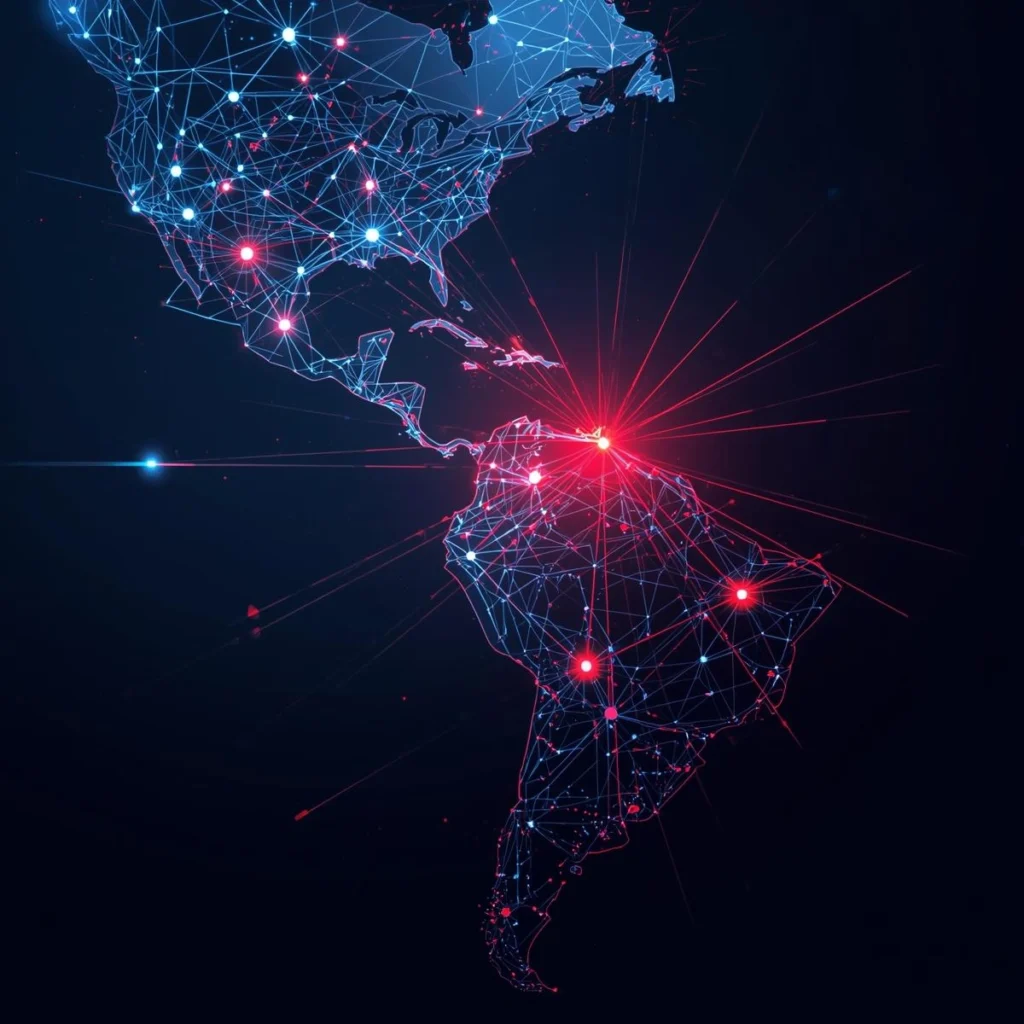
Why China Rare Earth Supply Is Critical for Technology
Rare earth elements are 17 metals with unique magnetic, chemical, and electrical properties. They are essential for high-performance magnets, batteries, semiconductors, and clean energy technologies.
China’s control over processing is what truly matters. Turning raw ore into usable material requires sophisticated infrastructure, which is not easily replicated outside China. This gives Beijing power over global AI, renewable energy, and defense sectors.
Latin America’s Role in Rare Earth Supply Chains
Latin America holds some of the world’s most significant raw mineral deposits, including lithium and rare earths. Venezuela’s Orinoco Mining Arc alone contains rare earth deposits valued in the tens of billions. These regions are strategically important to China rare earth supply, but political instability exposes vulnerabilities.
- Venezuela’s crisis threatens raw material exports.
- Regulatory changes in Chile and Brazil can slow mining operations.
- Geopolitical tensions can disrupt trade flows unexpectedly.
These upstream risks show that even with a processing monopoly, China cannot fully secure its rare earth supply.
Geopolitical Impact on China Rare Earth Supply
China has previously used rare earth exports as a strategic tool, influencing global prices and access. But the Maduro raid reveals a new type of risk: reliance on politically unstable regions for raw materials.
This scenario forces Beijing to explore:
- Diversification into domestic mining
- Investment in recycling technologies
- Developing partnerships beyond traditional allies
Global competitors are also moving to reduce dependence on China rare earth supply, ensuring their AI, EV, and green tech industries remain resilient.
Why Supply Chain Resilience Matters for AI and Green Tech
Rare earth elements are the backbone of next-generation technologies. Disruptions in China rare earth supply could slow AI processor production, EV battery manufacturing, and renewable energy deployment.
The US raid highlights that geopolitics and supply chain reliability are as crucial as engineering prowess. Companies and governments must prioritize sourcing security, recycling, and alternative supply lines to maintain technological leadership.
For more details & sources visit: moderndiplomacy.eu
For more China-related updates, visit our China News page.