
A Berlin blackout has left tens of thousands of residents in southwest Berlin without electricity after a fire on a cable bridge over the Teltow Canal. The incident affected approximately 45,000 households and 2,200 businesses across districts including Nikolassee, Zehlendorf, Wannsee, and Lichterfelde. Authorities warned that full restoration may take several days amid freezing winter temperatures, failed heating systems, and widespread service disruptions.
Fire on High-Voltage Cables Causes Widespread Outage
The outage began early Saturday when several high-voltage cables on a bridge near the Lichterfelde power plant caught fire. The blaze severely damaged a critical cable link, causing a cascading failure across large portions of southwest Berlin.
Stromnetz Berlin, the city’s main electricity operator, said the situation is highly complex. Repair crews must excavate damaged sections, lay temporary replacement lines, and coordinate with emergency services while working in sub-zero conditions. Despite these challenges, authorities hope to reroute enough power to restore electricity to about 10,000 households in Lichterfelde by Saturday evening.
Immediate Impacts on Residents and Daily Life
The Berlin blackout disrupted normal life across affected neighborhoods:
- Shops, restaurants, and public businesses were forced to close
- Traffic lights went dark, creating hazardous intersections
- Heating systems failed in residential buildings, exposing residents to extreme cold
- Phone and internet connections were interrupted, complicating communication
Residents were urged by local police to seek shelter with friends, family, or neighbors where possible. Emergency services emphasized the need to stay safe during periods without electricity, especially for elderly or vulnerable populations.
Emergency Response and Relief Efforts
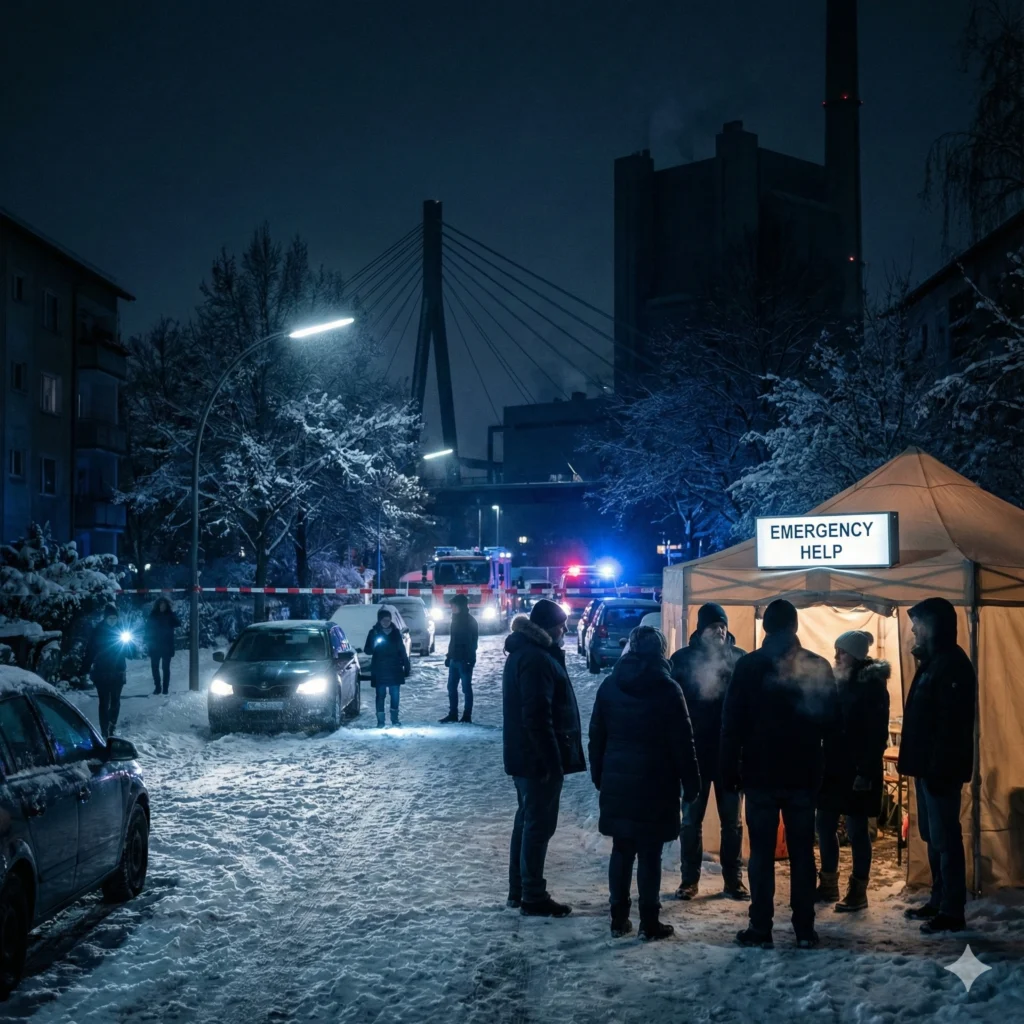
Authorities deployed over 350 firefighters, emergency personnel, and relief workers to respond to the crisis. Several emergency “lighthouse” points have been set up at Wannsee Town Hall, Mexikoplatz, and the Carl-Schumann sports complex, providing:
- Heated areas for residents to stay warm
- Backup generators to charge phones and essential devices
- Medical assistance for vulnerable groups, including the elderly and young children
Officials also warned residents to avoid using candles or open flames indoors, due to fire risk during extended outages, and to check on neighbors who may require additional support.
Suspected Arson Under Investigation
Police are treating the fire as suspected arson, following an apparent letter claiming responsibility. Forensic teams continue to investigate the cause of the blaze, including whether it may have a political motivation.
Authorities noted that this incident mirrors a similar arson-driven blackout in southeast Berlin in September, raising concerns about a potential pattern targeting critical infrastructure. Residents were advised to remain vigilant and report suspicious activity to local authorities.
Challenges in Restoring Power
Repair operations face multiple challenges:
- Damaged high-voltage infrastructure requires excavation and temporary replacement
- Winter weather slows progress and increases risks for workers
- Coordination is needed between grid operators, emergency services, and municipal authorities
Stromnetz Berlin emphasized that while some electricity will be restored quickly through rerouting, full service across all affected districts may not return before Thursday, making this one of the most significant outages in recent years.
Safety Tips for Residents During the Blackout
Authorities recommend residents:
- Use heated shelters or neighbors’ homes when possible
- Avoid unnecessary travel in darkened areas due to traffic hazards
- Keep emergency supplies such as blankets, food, and battery-powered lights
- Check in on vulnerable neighbors, including the elderly or those with medical needs
Emergency “lighthouse points” remain operational throughout the city to ensure residents have access to warmth, charging stations, and medical support.
Historical Context: Berlin’s Vulnerable Infrastructure
The Berlin blackout highlights the vulnerability of urban infrastructure to intentional or accidental damage. In recent years, the city has experienced intermittent outages, but arson-related events are rare and carry serious risks to public safety, particularly in winter.
Experts note that aging electrical infrastructure combined with extreme weather conditions increases the potential impact of deliberate attacks, making rapid emergency response and resilience planning critical.
Final Thoughts
The Berlin blackout underscores the importance of safeguarding critical infrastructure against deliberate attacks. With suspected arson under investigation, freezing winter temperatures, and tens of thousands of residents affected, authorities face a challenging restoration effort. Residents are advised to follow safety guidelines, use emergency shelters if needed, and stay informed through official updates while Stromnetz Berlin and emergency services work tirelessly to restore power across the city.
For more details & sources visit: Der Spiegel
For the latest news from Germany, visit our Germany news page.