
Australian household spending has surged at its fastest pace in nearly two years, signaling stronger consumer confidence and prompting speculation that the Reserve Bank of Australia (RBA) may consider another interest rate hike. Data for October 2025 shows households spent A$78.4 billion, representing a 1.3% month-on-month increase. Major retail events and rising optimism in the economy contributed to this notable boost.
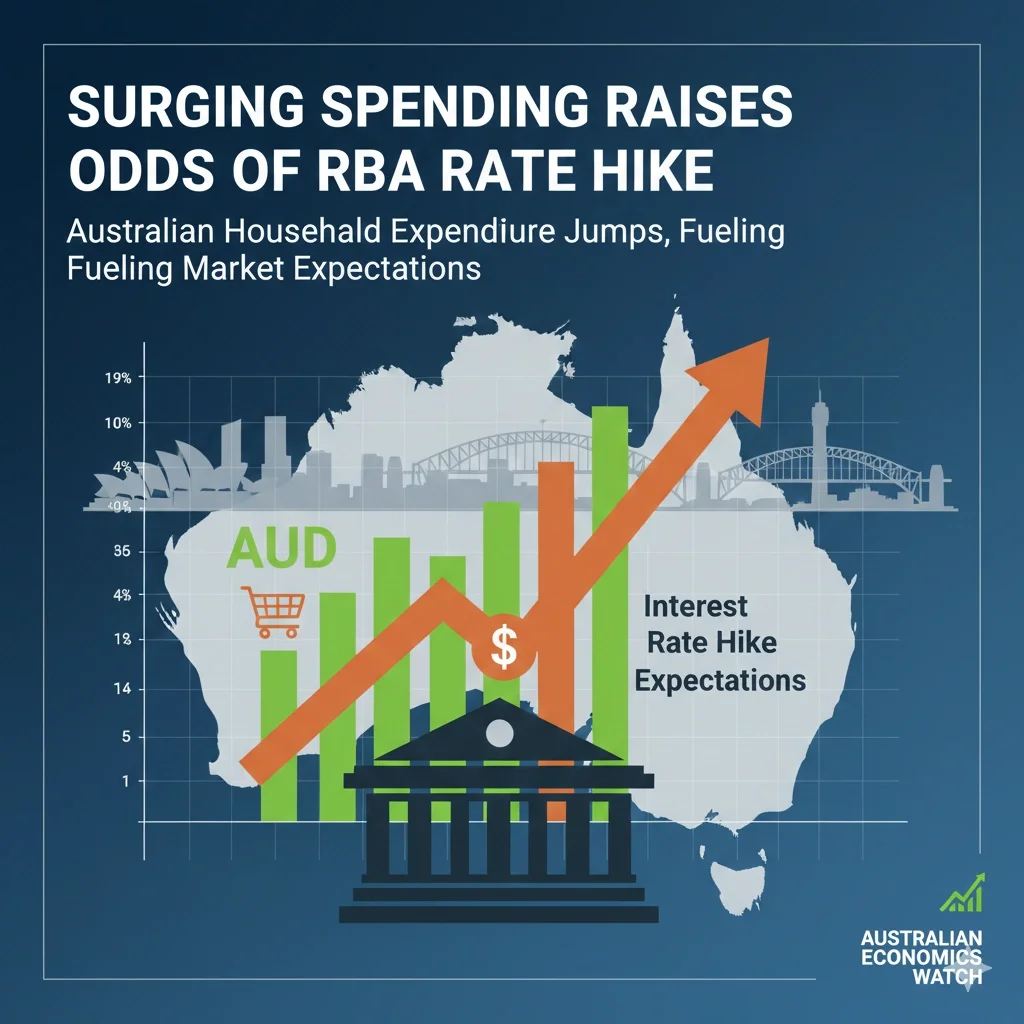
Annual household spending growth accelerated to 5.6%, demonstrating resilience across multiple sectors, including retail, entertainment, and services. Analysts have warned that sustained domestic demand combined with ongoing inflation pressures may complicate the RBA’s efforts to balance economic stability with price control. Bond yields climbed to the highest levels seen since January, reflecting market expectations for potential monetary tightening.
Drivers of Household Spending
Several factors contributed to the surge in household expenditures:
- Retail goods: Increased purchases of clothing, electronics, and home furnishings.
- Services and entertainment: Spending on concerts, cultural events, and leisure activities.
- Consumer confidence: Rising optimism in response to economic growth and wage improvements.
Regional and Sectoral Insights
Retail analysts note that metropolitan areas such as Sydney and Melbourne experienced the strongest growth, particularly in discretionary spending. The hospitality sector also benefited from renewed tourism and local spending. Conversely, some regional areas showed moderate growth, signaling uneven recovery patterns across the country.
Implications for Monetary Policy
The RBA closely monitors these spending patterns as a key indicator of inflationary pressure. The inflation rate climbed to 3.8% in October, and the combination of high household spending and inflation could influence policymakers toward a more hawkish stance in upcoming meetings. Economists argue that careful management is required to prevent the economy from overheating while sustaining growth.
Expert Commentary
Economists and financial analysts emphasize the importance of balancing interest rate adjustments with ongoing economic expansion. Strong household spending reflects confidence but also heightens the risk of increased borrowing and higher debt levels. Managing these dynamics will be crucial to sustaining Australia’s long-term economic stability.
In conclusion, Australian household spending remains a key driver of domestic growth, shaping both market expectations and monetary policy decisions. The recent surge highlights resilient consumer behavior and the evolving interplay between demand, inflation, and fiscal policy, making the RBA’s next moves critical for economic stability.
Source: Reuters
For more Australia-related updates, visit our Australia News page.