
Algeria 2025 social reforms have marked a major step in reinforcing the country’s welfare-state model. Under President Abdelmadjid Tebboune, the government positioned the year as a milestone for social justice, launching a comprehensive set of measures to support low-income families, retirees, women, and public-sector workers. These reforms reflect Algeria’s ongoing commitment to social protection and equality, even as inflation and fiscal pressures raise concerns about long-term sustainability.
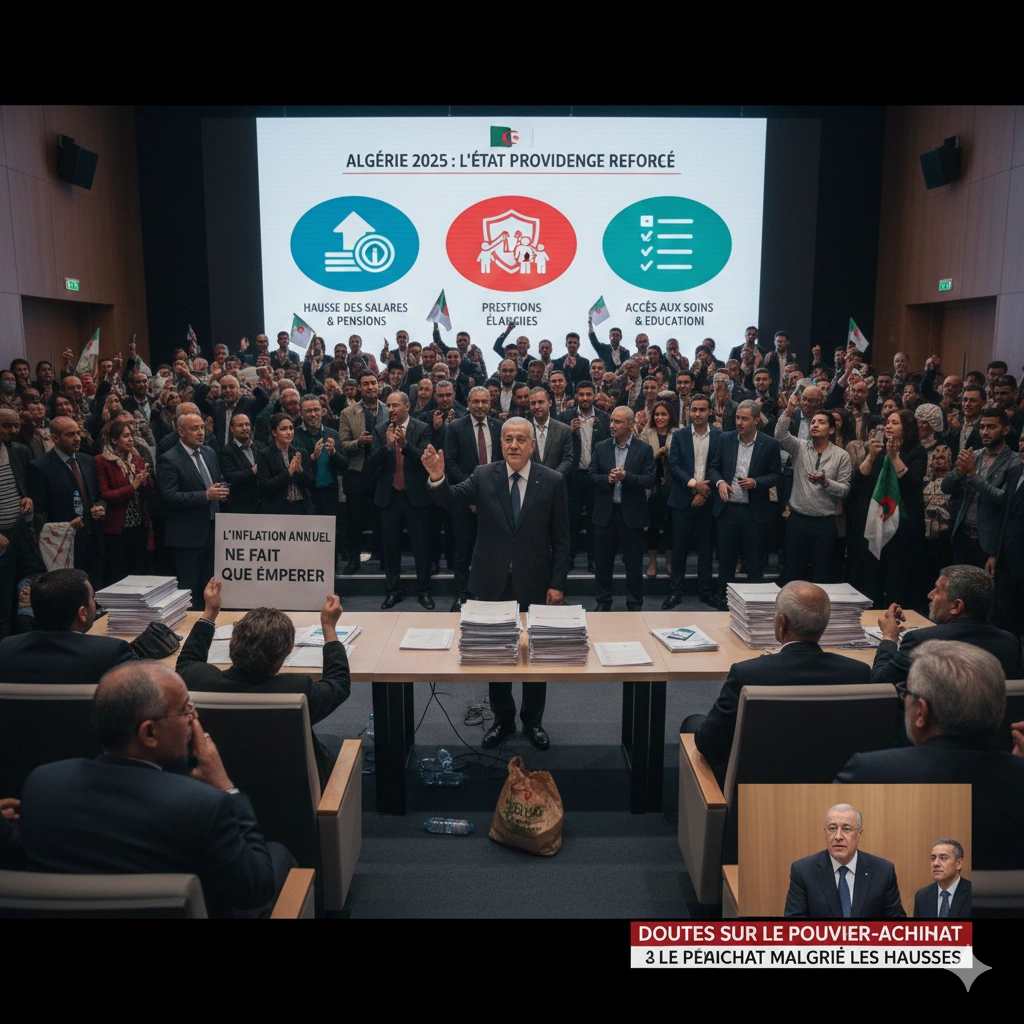
Wage Hikes and Pension Increases Strengthen Purchasing Power
A central pillar of the Algeria 2025 social reforms was raising wages and pensions. The government increased the guaranteed minimum wage to 24,000 dinars, providing immediate support to low-income workers and helping to reduce income inequality.
In addition, unemployment benefits and pensions were increased, although analysts note that inflation continues to reduce real purchasing power, limiting the net impact on households. Retirees received differentiated pension adjustments, reflecting a balanced approach that takes into account both fiscal constraints and the growing demand from an aging population.
Strengthening Women’s Rights With Extended Maternity Leave
Another important focus of the Algeria 2025 social reforms was education sector reform. Over 140,000 contract teachers were integrated into permanent roles, addressing long-standing tensions and ensuring job stability for educators.
Alongside this, the government increased student grants and expanded funding for educational programs. These measures aim to reduce barriers to education and promote equitable opportunities, highlighting the welfare state’s broader role in human capital development.
Education Sector Reforms and Teacher Integration
One of the most notable steps in the social reform package was the integration of over 140,000 contract teachers into permanent roles. This initiative addresses long-standing tensions in the education sector and provides stability for thousands of educators.
Additional measures strengthened educational access and support. Student grants were increased by 15–20%, benefiting over 1.2 million students nationwide. The government also invested in school infrastructure, upgrading more than 500 educational facilities, and introduced new digital learning tools in public schools to enhance teaching quality and reduce regional disparities. These steps aim to promote equitable opportunities and improve overall educational outcomes across Algeria.
Expanded Healthcare Support Reflects Welfare-State Commitment
Healthcare was a key target in Algeria’s reforms. Expanded access and funding for public health services ensures that vulnerable populations receive critical medical care.
Concrete measures included a 10% increase in healthcare budgets for hospitals and clinics, the hiring of over 5,000 additional medical staff, and the expansion of free or subsidized care programs for chronic diseases such as diabetes and cardiovascular conditions. Vaccination campaigns and maternal health programs were also strengthened, reaching millions of citizens, particularly in rural and underserved areas. By combining these initiatives with wage and pension reforms, the government demonstrates a holistic approach to social protection that integrates economic support with health and well-being.
Fiscal Sustainability and Long-Term Challenges
Despite the scope of reforms, Algeria 2025 social reforms raise questions about long-term fiscal sustainability. Persistent inflation, demographic pressures, and rising public expenditure may strain government budgets.
According to recent fiscal data, public spending on social programs increased by nearly 12% in 2025, putting pressure on the national budget amid projected GDP growth of just 3.5%. With an inflation rate averaging 6–7%, the real value of wage and pension increases is partially offset, and the rising dependency ratio means more retirees and beneficiaries must be supported. Experts emphasize that without structural economic reforms—such as diversifying revenue sources and boosting private-sector growth—the expanded social measures may face financial limitations over the next decade.
Final Thoughts
The Algeria 2025 social reforms reflect a strong commitment to the welfare-state model through wage increases, pension adjustments, expanded benefits, and targeted sectoral reforms. While these initiatives provide immediate relief and strengthen social protections, long-term sustainability depends on careful fiscal management and complementary economic strategies.
As Algeria moves forward, policymakers must ensure that economic reforms, social spending, and fiscal responsibility work together to support lasting improvements in purchasing power, gender equality, education, and healthcare.
For more details & sources visit: APA News
For more updates about Algeria, visit the Algeria News Section.