
Alam Flora Green Transition initiatives are redefining the waste management landscape in Malaysia through a bold integration of technology and sustainability. As the nation moves toward more stringent environmental standards, Alam Flora is positioning itself as a leader in the circular economy by modernizing its fleet and infrastructure. This transformation is not merely about aesthetic upgrades; it represents a fundamental shift in how urban centers manage waste, reduce carbon footprints, and contribute to the national power grid. By embracing innovation, the company aims to meet the ambitious targets set by the Malaysian government while ensuring long-term operational efficiency and environmental stewardship.
The company is currently embarking on a significant proof-of-concept phase for electric compactors and road sweepers. These specialized vehicles are designed to replace traditional internal combustion engines, significantly lowering the noise and air pollution in residential neighborhoods. This modernization effort is scheduled to gain momentum in the second half of this year as the first batch of electric units arrives. By testing these vehicles in real-world urban environments, the firm seeks to validate the durability and cost-effectiveness of electric waste management solutions before a larger national rollout.
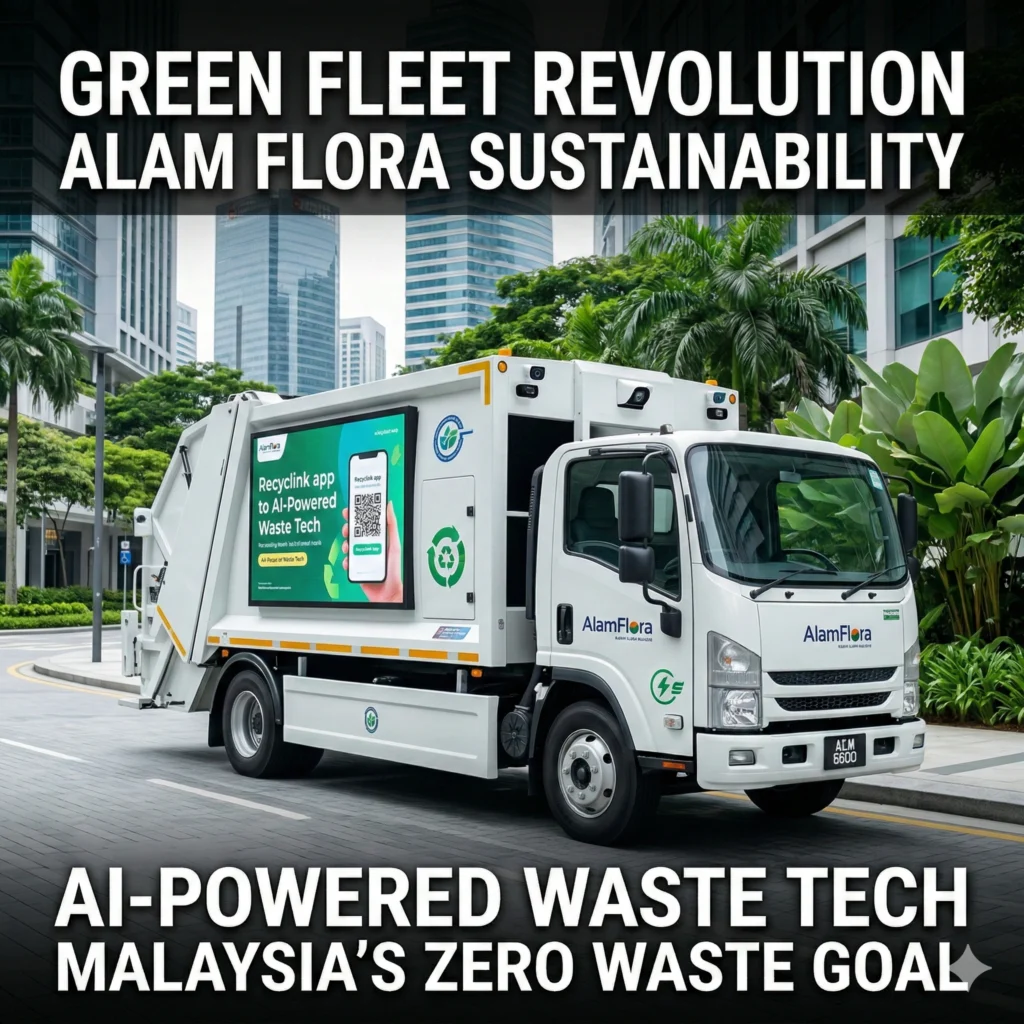
Alam Flora Green Transition initiatives are redefining the waste management landscape in Malaysia through a bold integration of technology and sustainability. As the nation moves toward more stringent environmental standards, Alam Flora is positioning itself as a leader in the circular economy by modernizing its fleet and infrastructure. This transformation is not merely about aesthetic upgrades; it represents a fundamental shift in how urban centers manage waste, reduce carbon footprints, and contribute to the national power grid. By embracing innovation, the company aims to meet the ambitious targets set by the Malaysian government while ensuring long-term operational efficiency and environmental stewardship.
The company is currently embarking on a significant proof-of-concept phase for electric compactors and road sweepers. These specialized vehicles are designed to replace traditional internal combustion engines, significantly lowering the noise and air pollution in residential neighborhoods. This modernization effort is scheduled to gain momentum in the second half of this year as the first batch of electric units arrives. By testing these vehicles in real-world urban environments, the firm seeks to validate the durability and cost-effectiveness of electric waste management solutions before a larger national rollout.
Alam Flora Green Transition
The Alam Flora Green Transition is a comprehensive strategy that moves beyond simple waste collection into the realm of high-tech environmental services. CEO Shariman Yusuf Mohamed Zain has emphasized that the introduction of electric vehicles is just the first step in a multi-phased approach to sustainability. The company is integrating AI-powered monitoring systems within these vehicles to optimize routes and ensure that every street is cleaned with precision. This data-driven approach allows for real-time adjustments to schedules, reducing unnecessary fuel consumption and improving the overall reliability of public cleansing services across Malaysia.
AI Integration in Fleet Operations
Every new electric vehicle in the modernized fleet will be equipped with mobile device video recording and artificial intelligence. This technology serves a dual purpose: it monitors the performance of the crew and provides detailed environmental data to the central command center. AI algorithms can identify missed collection points or high-density litter areas, allowing for immediate corrective action. This level of transparency ensures that service quality remains high while providing the company with the analytics needed to refine its long-term operational strategies and equipment maintenance cycles.
Advertising as a Sustainable Revenue Stream
To offset the initial costs of the electric fleet, the company is introducing multimedia displays on the sides of its vehicles. These screens will serve as a platform for recycling-themed advertising, educating the public while generating a new revenue stream. By partnering with eco-conscious brands, the Alam Flora Green Transition can monetize its presence on the streets in a way that aligns with its green mission. This creative funding model allows for faster investment in future technologies, ensuring that the transition to zero-waste infrastructure remains financially viable and self-sustaining over the next decade.
Advancing National Waste to Energy Projects
A cornerstone of the current expansion is the massive investment in a waste-to-energy plant located in Sungai Udang. This facility is engineered to process over one thousand tonnes of municipal waste daily, turning garbage that would otherwise rot in landfills into a valuable resource. By utilizing advanced incineration and gasification technologies, the plant minimizes environmental impact while maximizing energy recovery. This project is a critical component of Malaysia’s strategy to diversify its energy mix and reduce its reliance on fossil fuels for electricity generation.
Harnessing Energy for the Future
The Sungai Udang facility is expected to generate approximately twenty-two megawatts of renewable energy, which will be fed directly into the national power grid. This contribution is equivalent to powering thousands of homes with clean, recycled energy. By diverting waste from landfills, the project also reduces methane emissions, a potent greenhouse gas. This synergy between waste management and energy production demonstrates how urban services can be reimagined to provide multiple benefits to the community and the environment simultaneously through the Alam Flora Green Transition.
Scheduled Waste Processing in Terengganu
In addition to municipal waste, the firm is constructing a major scheduled waste processing plant in Terengganu. This facility, slated for completion next year, will handle hazardous and industrial waste with the highest safety standards. Proper management of scheduled waste is vital for protecting local water sources and ecosystems from contamination. By localizing these high-tech processing capabilities, Malaysia reduces its dependence on international waste exports and ensures that industrial growth does not come at the expense of environmental health or public safety.
Recyclink App and Community Engagement
To address the persistent challenge of low waste separation rates at the source, the company developed the Recyclink app. This digital tool is designed to educate households on how to properly categorize their recyclables, making the process as seamless as possible. By gamifying the recycling experience, the app encourages consistent participation from residents of all ages. The data collected through the app also helps the company identify neighborhoods that may require additional resources or educational outreach, fostering a more collaborative approach to urban cleanliness.
Expanding Digital Waste Services
An upcoming version of the Recyclink app will introduce a dedicated pickup service for bulky waste items. Many households struggle with the disposal of old furniture or large appliances, often leading to illegal dumping in back alleys or riverbanks. This new service provides a convenient and legal alternative, ensuring that large items are either refurbished or recycled properly. By removing the barriers to responsible disposal, the Alam Flora Green Transition is making it easier for citizens to maintain clean neighborhoods and participate in the broader goals of the circular economy.
Attracting Young Tech Talent
The transition toward tech-related roles is a strategic move to attract young local talent to the waste management industry. Traditionally seen as a labor-intensive sector, the new focus on AI, data analytics, and renewable energy engineering offers exciting career paths for graduates. The company is actively recruiting software developers and environmental scientists to manage its growing digital and energy infrastructure. This influx of fresh perspectives is essential for driving the continuous innovation needed to keep Malaysia at the forefront of global waste management trends.
Regional Expansion and Regulatory Alignment
While the primary focus remains on the domestic Malaysian market, the firm is exploring opportunistic regional expansion within Southeast Asia. Many neighboring countries face similar challenges with urbanization and waste accumulation, creating a demand for proven sustainable solutions. By exporting its expertise in electric fleets and waste-to-energy technology, the Alam Flora Green Transition can establish itself as a regional champion for green urban services. This expansion aligns with the company’s vision of becoming a leading force in environmental sustainability across the entire ASEAN block.
Government Policy and Zero Waste Goals
These initiatives are designed to align perfectly with the government’s zero-waste goals and the Solid Waste and Public Cleansing Management Act. By proactively adopting cleaner technologies and better data management, the company is helping the government meet its international climate commitments. The regulatory framework provided by the Act ensures that all waste management activities are conducted with transparency and accountability. This alignment between corporate strategy and national policy creates a stable environment for long-term investment in green infrastructure and public services.
Enhancing Operational Efficiency
The move toward an electric and AI-integrated fleet is fundamentally about enhancing operational efficiency. Electric vehicles have fewer moving parts than traditional diesel trucks, leading to lower maintenance costs and less downtime. When combined with AI-driven route optimization, the company can do more with fewer resources, passing those efficiencies on to the public and the environment. This commitment to efficiency ensures that the waste management system is resilient enough to handle the increasing demands of Malaysia’s rapidly growing urban populations.
Future of Waste Management Technology
The future of the industry lies in the seamless integration of physical collection and digital intelligence. The Alam Flora Green Transition is currently researching the next generation of autonomous waste sorting technologies to further improve recovery rates at its material recovery facilities. By reducing human contact with hazardous materials and increasing the speed of sorting, the company can process larger volumes of recyclables with higher purity levels. These advancements will be crucial as the global market for recycled materials becomes more competitive and quality-focused.
Closing the Loop on Sustainability
True sustainability requires closing the loop where waste is no longer seen as a burden but as a raw material for new products or energy. The current roadmap focuses on building the infrastructure necessary to achieve this vision at scale. From the moment a resident uses the app to the point where waste is converted into electricity, every step is being optimized for environmental impact. This holistic approach is what sets the current strategy apart, moving beyond simple disposal toward a truly regenerative system that benefits both the economy and the planet.
- Electric compactors and road sweepers will be deployed by the second half of this year.
- The Recyclink app is being upgraded to include pickup services for bulky household waste.
- The Sungai Udang plant will provide 22MW of renewable energy to the national grid.
- AI monitoring on vehicles will enhance public cleansing accuracy and transparency.
Impact on Urban Living Standards
The deployment of quiet, emission-free electric vehicles will have a direct and positive impact on urban living standards. Residents will experience less noise pollution during early morning collections, and the overall air quality in cities will improve. Furthermore, the reduction in illegal dumping through the bulky waste pickup service will lead to cleaner, safer public spaces. These improvements contribute to the general well-being of the community, proving that smart waste management is a vital component of modern, livable city design and urban planning.
Resilience and National Security
Developing domestic waste-to-energy and scheduled waste facilities also enhances national resilience and security. By processing waste locally, Malaysia protects its land and water resources from long-term damage and reduces its exposure to international waste policy changes. The energy generated by these plants provides a localized source of power that is independent of global commodity markets. This self-reliance is a key pillar of the company’s long-term strategy, ensuring that the nation can manage its environmental challenges independently and sustainably for decades to come.
Scaling Green Infrastructure for Cities
As urban populations grow, the need for scalable green infrastructure becomes more urgent. The Alam Flora Green Transition addresses this by creating modular waste solutions that can be adapted to different city sizes. Whether it is a bustling metropolis or a smaller municipal town, the integration of electric fleets and AI monitoring can be customized to meet specific local needs. This flexibility is what makes the company’s approach so effective, allowing for a gradual but steady transformation of the national waste management landscape without disrupting essential daily services.
Monitoring Environmental Compliance
Data collected from the AI-equipped fleet allows for a level of environmental compliance monitoring that was previously impossible. The Alam Flora Green Transition provides real-time reports on carbon emission savings and recycling volumes, which are shared with regulatory authorities. This high level of accountability ensures that the company remains on track to meet its sustainability targets while providing a clear benchmark for other industry players to follow. It also builds trust with the public, who can see the tangible results of their recycling efforts through published impact reports.
Investing in the Circular Economy
Investing in the circular economy is at the heart of the Alam Flora Green Transition. By prioritizing the recovery of materials and energy, the company is helping to reduce the national demand for raw resources. This not only protects the environment but also creates new economic opportunities in the recycling and renewable energy sectors. The company’s long-term vision is to create a system where waste is virtually eliminated, replaced by a continuous cycle of reuse and recovery that supports both economic growth and environmental preservation for future generations.
Conclusion: A Vision for Tomorrow
The comprehensive efforts currently underway signify a major milestone in the journey toward a sustainable future. By combining electric mobility, artificial intelligence, and massive energy recovery projects, the firm is proving that waste management can be a high-tech, green industry. The success of these initiatives will serve as a blueprint for other cities across the region, demonstrating that environmental responsibility and operational excellence go hand in hand. As the company continues to innovate, the goal of a zero-waste Malaysia becomes an achievable reality rather than a distant dream.
- New electric vehicle fleet arrives by the second half of 2026.
- AI-powered video recording ensures 100% service transparency.
- Scheduled waste facility in Terengganu completes next year.
- Advertising on trucks funds further green technology investments.
- The Alam Flora Green Transition leads the way in SE Asian waste management.
For more details & sources visit: New Straits Times
Read more about Malaysia news on 360 News Orbit – Malaysia.