
UAE Air Defenses is the primary shield currently protecting the Gulf region from unprecedented regional instability. Following the large-scale aerial assault, the Emirati Ministry of Defense demonstrated its sophisticated technological capabilities by neutralizing a massive wave of Iranian missiles and drones. This specific engagement represents a critical turning point in the ongoing conflict that began in late February, highlighting the strategic importance of high-altitude defense systems. As the geopolitical landscape shifts, the ability of the Emirates to safeguard its civilian population and infrastructure remains the central focus of international security analysts.
The Scale of the April 6 Aerial Assault
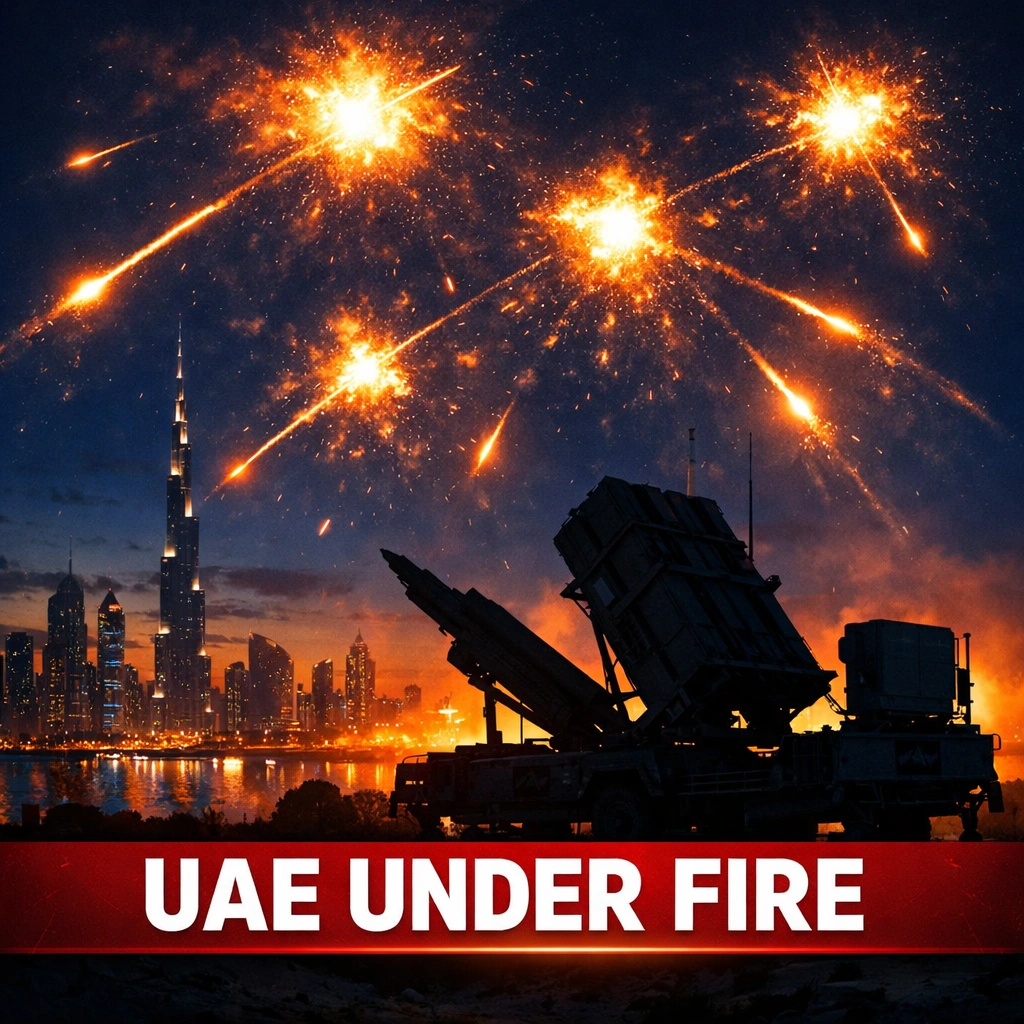
The recent bombardment involved a complex mix of 12 ballistic missiles, two cruise missiles, and 19 drones launched simultaneously toward Emirati territory. UAE Air Defenses engaged these threats with precision, utilizing a multi-layered approach to ensure that the vast majority of incoming projectiles were destroyed before impact. Although the interception rate was remarkably high, the ministry confirmed that four individuals sustained injuries during the chaotic event. This specific attack serves as a stark reminder of the persistent danger faced by residents as the war between regional powers intensifies.
Evolution of Middle Eastern Missile Technology
Modern warfare in the region has evolved rapidly, with Iranian forces deploying increasingly sophisticated guidance systems for their long-range assets. UAE Air Defenses must constantly adapt to these changes, integrating artificial intelligence and real-time data tracking to predict flight paths. The cruise missiles intercepted on April 6 were particularly dangerous due to their low-altitude flight capabilities and maneuverability. However, the integrated defense network maintained by the UAE proved capable of identifying and neutralizing these stealthier threats before they reached their intended targets.
UAE Air Defenses
The effectiveness of the UAE Air Defenses relies on a combination of domestic investment and international technological partnerships. By utilizing systems like the THAAD and Patriot batteries, the Emirates has created a shield that can address threats at various atmospheric levels. This comprehensive coverage is essential because Iranian attacks often utilize “swarming” tactics, where dozens of drones are launched alongside heavy missiles to overwhelm radar systems. On April 6, the resilience of this network was tested under extreme conditions, yet it managed to prevent a much larger humanitarian catastrophe.
Human Toll and Infrastructure Impacts
While the military success of the interception is undeniable, the human cost of the conflict continues to rise across the nation. The four injuries reported in the latest strike add to a growing list of casualties that has reached 13 deaths since the conflict’s inception on February 28. UAE Air Defenses are designed to protect life, but falling debris from intercepted missiles still poses a significant risk to urban areas. The government has urged citizens to remain in hardened shelters during sirens to minimize the risk of injury from these secondary impacts.
Statistical Overview of the Conflict
Since the start of the U.S.-Israel military campaign against Iran, the UAE has become the most targeted nation in the Middle East. Data indicates that over 519 ballistic missiles and 2,210 drones have been launched at the country in just over five weeks of fighting. UAE Air Defenses have been active almost daily, maintaining a high readiness posture that is unprecedented in the country’s history. These statistics highlight a pattern of aggression that seeks to destabilize one of the world’s most vital economic and logistics hubs.
Strategic Importance of Gulf Security
The safety of the Emirates is not just a local concern but a global economic necessity given its role in international trade and energy markets. UAE Air Defenses provide the stability required for global shipping lanes and aviation corridors to remain operational despite the surrounding chaos. If these defenses were to fail, the resulting shock to global oil prices and supply chains would be immediate and severe. Consequently, the successful interceptions on April 6 were viewed with relief by international markets and political leaders worldwide.
Technological Integration of Defense Systems
The success of the Emirati response is largely attributed to the seamless integration of various sensor arrays and interceptor units. UAE Air Defenses utilize a centralized command and control structure that allows for instantaneous decision-making during mass saturation attacks. This system can distinguish between decoys and high-value threats, ensuring that interceptor missiles are used efficiently and effectively. This technological edge is the primary reason why the interception rate remains among the highest in the world despite the volume of fire.
Regional Cooperation and Intelligence Sharing
Security in the Gulf is bolstered by a network of intelligence sharing between the UAE and its strategic allies, including the United States. UAE Air Defenses benefit from early warning data provided by satellite constellations that track heat signatures from missile launches deep within Iranian territory. This advanced notice provides Emirati crews with precious minutes to prepare their batteries and alert the civilian population. This collaborative approach to security has proven indispensable in managing the high-velocity threats characterized by the April 6 engagement.
- Deployment of THAAD batteries for high-altitude ballistic threats.
- Utilization of Patriot Advanced Capability-3 (PAC-3) for cruise missiles.
- Implementation of short-range “C-RAM” systems for drone swarms.
- Continuous 24/7 radar surveillance across all maritime and land borders.
Iranian Tactics and Drone Proliferation
The use of 19 drones in the recent attack highlights Iran’s reliance on low-cost, expendable aerial vehicles to test Emirati resolve. UAE Air Defenses have had to refine their tactics to deal with these smaller, slower targets that often fly below traditional radar horizons. By using electronic warfare and specialized kinetic interceptors, the UAE has managed to neutralize over 2,000 drones in a matter of weeks. This specific theater of war is providing a blueprint for how modern nations must defend against the “democratization” of aerial strike capabilities.
Economic Resilience Amid Constant Threat
Despite being under constant fire, the Emirati economy has shown remarkable resilience thanks to the confidence provided by UAE Air Defenses. Businesses continue to operate and foreign investment remains steady because the defense umbrella is perceived as reliable and effective. The government’s transparency regarding intercepted threats also helps to manage public perception and prevent panic in the financial sectors. On April 6, markets remained stable even as news of the large-scale interception broke, demonstrating a high level of societal trust in the military.
Future Upgrades to the Defense Shield
As the conflict shows no signs of immediate resolution, the UAE is already looking toward the next generation of protective technology. UAE Air Defenses are expected to incorporate laser-based interception systems in the near future to counter the high volume of low-cost drones. These directed-energy weapons offer a lower cost-per-shot and virtually unlimited ammunition, which is critical for long-term endurance in a war of attrition. Expanding the current capabilities will ensure that the Emirates stays ahead of the evolving threat profile presented by regional adversaries.
Global Reactions to the April 6 Attack
International leaders have condemned the escalation of violence and praised the efficiency of the Emirati response during the latest barrage. UAE Air Defenses are now seen as a model for other nations facing similar asymmetric threats from neighboring states. The ability to stop 12 ballistic missiles in a single window of engagement is a feat few militaries can achieve with such consistency. Diplomatic efforts are ongoing to reduce tensions, but the UAE remains prepared to defend its sovereignty through military force if necessary.
Civilian Defense and Public Safety Protocols
The Ministry of Interior has worked in tandem with the military to ensure that the public is well-versed in emergency procedures. When UAE Air Defenses engage incoming targets, the “Safe Shield” mobile application provides real-time updates to every smartphone in the country. This integration of military defense and civilian communication has been vital in keeping the casualty count low despite the hundreds of missiles launched. The four injuries on April 6 were treated at state-of-the-art facilities, with the government covering all medical costs related to the conflict.
Impact on International Aviation
Dubai and Abu Dhabi remain two of the busiest aviation hubs in the world, and their continued operation is a testament to the safety provided by UAE Air Defenses. Flight paths are dynamically adjusted based on active engagement zones to ensure that civilian airliners are never at risk during an interception. The successful defense on April 6 allowed both airports to maintain their schedules with only minimal delays. This operational continuity is essential for the UAE’s status as a global crossroads for tourism and commerce.
- Real-time flight path adjustments for commercial aircraft.
- Hardened perimeter security for all major international airports.
- Redundant radar systems to prevent signal interference during attacks.
Long-term Regional Security Implications
The ongoing war has fundamentally changed the security architecture of the Middle East, with the UAE taking a leading role in regional stability. UAE Air Defenses are the cornerstone of this new reality, providing a “hard power” deterrent against further Iranian aggression. As long as the defense shield holds, the political leverage of the Emirates remains strong on the global stage. The events of April 6 have only solidified the national resolve to maintain a state of permanent readiness against any external threats.
Analyzing the Logistics of Defense
Maintaining a high-alert status for over five weeks requires a massive logistical effort to ensure interceptor stockpiles are replenished. UAE Air Defenses are supported by a robust supply chain that ensures batteries are always armed and crews are rotated to prevent fatigue. The cost of this defense is substantial, but the Emirati leadership views it as an essential investment in the nation’s survival. The efficiency of the logistical tail behind the missiles is just as important as the technology of the missiles themselves.
Psychological Warfare and Social Cohesion
Iran’s strategy involves not only physical destruction but also the psychological exhaustion of the Emirati population. By maintaining the effectiveness of the UAE Air Defenses, the government effectively counters this tactic, fostering a sense of security and national pride. The April 6 interception was widely celebrated on social media as a victory for national sovereignty and military prowess. This social cohesion is a vital “soft power” component that complements the “hard power” of the air defense batteries.
Environmental Considerations of Aerial Combat
The destruction of large numbers of missiles and drones in the atmosphere carries environmental risks that the UAE is actively monitoring. Debris from UAE Air Defenses engagements is collected by specialized teams to prevent soil and water contamination from hazardous materials. Modern interceptors are designed to minimize environmental impact, but the sheer volume of material being neutralized requires constant vigilance. The government has commissioned several studies to track the long-term effects of this high-intensity aerial conflict on the local ecosystem.
Role of Artificial Intelligence in Interception
AI algorithms are now playing a central role in how UAE Air Defenses manage complex attack patterns involving mixed munitions. These systems can process millions of data points per second, identifying the most lethal threats among a cloud of incoming projectiles. On April 6, AI-driven command centers were able to prioritize the two cruise missiles, which posed the highest risk to coastal infrastructure. This digital evolution ensures that human operators can focus on high-level strategy while the machines handle the rapid-fire mathematics of interception.
Training and Readiness of Emirati Personnel
The men and women operating the UAE Air Defenses are among the most highly trained military personnel in the world. Regular drills and simulation exercises have prepared them for the high-pressure environment of a real-world saturation attack. The precision shown on April 6 is a direct result of thousands of hours of training on both domestic and foreign soil. This human element remains the most critical factor in the success of the Emirati defense shield, as technology is only as good as the people who command it.
- Advanced simulation training for “swarming drone” scenarios.
- Joint exercises with international partners to refine interoperability.
- Specialized psychological support for operators in high-stress combat roles.
Conclusion on the Current Conflict Status
As the conflict enters its second month, the importance of a robust aerial shield has never been more apparent. UAE Air Defenses have proven to be the decisive factor in preventing a wider regional catastrophe and protecting the lives of millions. The successful interception of the April 6 barrage stands as a milestone in military history, proving that technology can indeed provide a reliable defense against mass aggression. While the path to peace remains uncertain, the Emirates remains protected by one of the most advanced defense networks ever assembled.
Final Thoughts on Military Innovation
The lessons learned during this conflict will undoubtedly shape the future of global military doctrine for decades to come. UAE Air Defenses are at the forefront of this innovation, proving the efficacy of integrated, multi-layered defense in a real-world high-intensity environment. As the nation continues to face challenges from its northern neighbor, its commitment to technological superiority remains its greatest asset. The world continues to watch as the Emirates defines what it means to be a modern, defended state in the 21st century.
For more details & sources visit: The Times of Israel
Read more about UAE news: 360 News Orbit – UAE.