
Wireless Festival Cancelled as the UK government takes a firm stance against controversial headliners. The music world is in a state of absolute shock following the Home Office’s decision to deny Kanye West, now legally known as Ye, entry into the country. This unprecedented move has forced organizers to pull the plug on the entire event, leaving fans devastated and industry experts debating the intersection of art and public safety.
The cancellation marks a historic moment for the British festival circuit, which has long been a global leader in live entertainment. Since the news of Wireless Festival Cancelled broke, ticket holders have been flooding social media with demands for immediate financial clarity. However, the government’s intervention highlights a growing tension between artistic freedom and the responsibility to prevent hate speech within the public sphere.
This decision comes after months of intense public pressure and legal scrutiny regarding the headliner’s recent behavior and public statements. While the artist has attempted to stage a comeback with successful shows in North America, the UK authorities have remained unconvinced of his reform. The ripple effects of this ban are expected to be felt across the global touring industry for years to come.
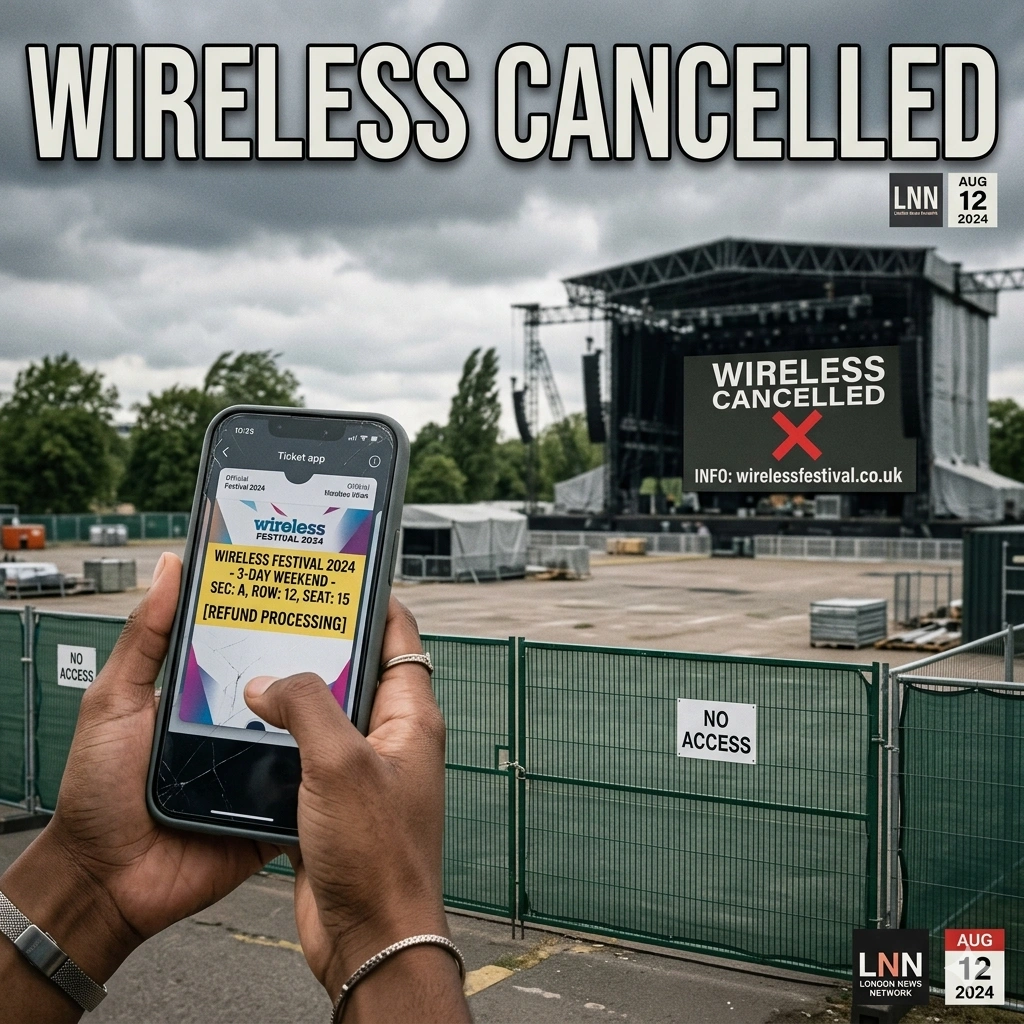
The Reasons for Wireless Festival Cancelled 2026
The primary driver behind the Wireless Festival Cancelled news is the Home Office’s rejection of Ye’s Electronic Travel Authorisation (ETA). Under current UK immigration rules, the Home Secretary has the power to bar individuals if their presence is deemed “not conducive to the public good.” This specific clause is often used in high-profile cases where a visitor’s history might incite social unrest or promote extremist ideologies.
Government officials cited a pattern of behavior that they claim threatens the social fabric of the United Kingdom. Specifically, they pointed to recent releases and merchandise that utilized symbols and phrases associated with the most painful chapters of human history. For the British government, allowing such a platform to be used by a figure with this track record was a risk they were simply unwilling to take, resulting in the Wireless Festival Cancelled announcement.
- The Home Office reviewed several hours of recent interviews and social media posts as part of the vetting process.
- Intelligence reports suggested that the festival could become a flashpoint for groups if the artist was allowed to perform.
- Legal experts noted that the “public good” clause provides wide-reaching authority that led to Wireless Festival Cancelled today.
Impact of the Home Office Decision
When the news broke that the Home Office had blocked the headline act, the viability of the entire weekend collapsed instantly. Festival Republic, the organization behind the event, scrambled to find a suitable replacement of equal stature, but the short notice made it impossible to secure a global superstar. Consequently, the difficult choice was made to issue a total Wireless Festival Cancelled notice to the public.
This move has triggered a mandatory refund process for hundreds of thousands of ticket holders who had already secured their spots. The financial impact on the local economy in London is estimated to be in the tens of millions of pounds, as hotels and restaurants had been booked solid. The loss of revenue following Wireless Festival Cancelled is a significant blow to the city’s post-winter tourism boost.
The industry is now looking closely at how other international festivals will react to this development. There is a palpable fear that other governments might adopt similar vetting processes for high-profile performers with controversial backgrounds. This shift could lead to a more fragmented global music market where certain artists are limited to performing in only a handful of jurisdictions because Wireless Festival Cancelled serves as a warning.
Wireless Festival Cancelled
The announcement that Wireless Festival Cancelled its 2026 dates has ignited a fierce debate over the limits of cultural expression. Proponents of the government’s move argue that freedom of speech does not include the right to a massive public platform in a foreign country. They believe that the safety and well-being of the UK’s diverse communities must always take precedence over entertainment value.
On the other side of the argument, many fans and civil liberties advocates are concerned about the precedent this sets for future events. They worry that the government is moving toward a system of cultural censorship where political or social views can be used as a basis for banning artists. This tension is at the heart of the current crisis facing the organizers now that Wireless Festival Cancelled is official.
The backlash from human rights groups and community organizations was a major factor in the government’s final decision. These groups argued that the artist’s “rehabilitation” was superficial and that his presence would embolden fringe groups across Europe. The consensus among these organizations is that a massive public platform is a privilege, and the Wireless Festival Cancelled outcome reflects this belief.
Financial and Legal Fallout for Organizers
The legal teams at Festival Republic are currently reviewing their options, though the chances of overturning a Home Office decision based on national interest are slim. The focus has now shifted to insurance claims and the logistical nightmare of returning funds to a global audience. Contracts with secondary artists and vendors must also be settled, leading to a complex web of litigation after Wireless Festival Cancelled.
The financial strain on the festival industry is particularly acute in 2026, as operating costs for large-scale events have continued to climb. A total loss of this magnitude could threaten the long-term future of the Wireless brand itself. Investors are likely to be more cautious in the future, demanding stricter vetting of headliners before committing capital to major summer lineups to avoid another Wireless Festival Cancelled scenario.
- Insurance companies may update their clauses to specifically exclude government-imposed bans on performers.
- Smaller independent vendors who rely on festival season for their annual income are facing a direct threat.
- The legal precedent set here may empower other European nations to ensure Wireless Festival Cancelled is not an isolated event.
Public Response and Social Media Reaction
The reaction on social media has been a chaotic mix of anger, support, and confusion since the news broke. Fans of the artist have taken to various platforms to protest what they see as an unfair targeting of a creative genius. Meanwhile, many others are praising the UK government for showing “moral backbone” and protecting vulnerable communities, despite the fact that Wireless Festival Cancelled is the result.
The hashtag associated with the Wireless Festival Cancelled news has been trending globally for over twenty-four hours, highlighting the reach of the artist’s influence. Many ticket holders are expressing frustration not just with the government, but with the organizers for booking such a high-risk act in the first place. This has led to a broader discussion about the ethical responsibilities of talent scouts.
- Online forums are filled with debates regarding the artist’s mental health and travel decisions.
- Viral videos show fans reacting to the Wireless Festival Cancelled news with extreme disappointment.
- Community leaders have used the moment to call for a renewed focus on unity and the rejection of all forms of extremism.
The Role of Community Advocacy Groups
Groups like the Board of Deputies and the Community Security Trust (CST) played a pivotal role in bringing the artist’s history to the forefront. These organizations provided the government with documented evidence of the harm caused by certain types of rhetoric. Their advocacy was focused on the potential for real-world harassment that often follows such high-profile controversies, leading to Wireless Festival Cancelled.
The CST specifically pointed out that large music festivals are supposed to be spaces of inclusion and joy. They argued that the presence of an individual who has openly praised oppressive regimes would fundamentally alter the atmosphere of the event. By engaging with both the public and the Home Office, these groups were able to shape the narrative that ended with Wireless Festival Cancelled.
This level of organized opposition is becoming more common in the music industry as audiences become more socially conscious. Promoters are finding that they can no longer separate an artist’s personal views from their commercial appeal. The fallout from this Wireless Festival Cancelled event serves as a stark warning to any organization that chooses to ignore the social implications of their talent bookings.
Future of the Wireless Brand in London
The long-term survival of Wireless Festival is now a subject of intense speculation among music critics and industry insiders. While the brand has survived controversy in the past, a total cancellation of a sold-out year is a catastrophic blow to its reputation. The organizers will need to work hard to rebuild trust with the public now that Wireless Festival Cancelled has become a reality.
There are rumors that the festival may undergo a complete rebranding or change its focus toward a more curated lineup for 2027. This could involve moving away from a single massive headliner in favor of a more diverse range of established and emerging talent. Such a shift might make the event more resilient, ensuring that we never see Wireless Festival Cancelled for these specific reasons again.
- Discussions are already underway regarding a potential compensation event later in the year.
- Local councils may impose new “code of conduct” requirements for future permits after Wireless Festival Cancelled.
- The festival’s relationship with major corporate sponsors is also under review as brands distance themselves from the fallout.
Lessons for the Global Music Industry
The situation in London provides a clear lesson for the global music industry regarding the importance of comprehensive risk assessment. In an era where information travels instantly and public sentiment can shift overnight, the “bad boy” image of traditional rock and rap stars is becoming a liability. Promoters must now act as both entertainers and social guardians to prevent another Wireless Festival Cancelled headline.
The use of an image alt text line showing the Wireless Festival Cancelled logo has helped spread the news to visually impaired fans. This attention to detail in communication is vital when managing a crisis of this scale. Every piece of data released by the organizers is being scrutinized for any sign of how they plan to recover from the Wireless Festival Cancelled financial deficit.
The government’s decision to prioritize “public good” over the economic benefits of a major festival is a significant policy signal. It suggests that the UK is willing to take a financial hit to maintain its stance on social standards. This “rehabilitation” requirement for controversial figures is now a concrete barrier that led to Wireless Festival Cancelled this summer.
Finally, the fans remain the ones most affected by the Wireless Festival Cancelled outcome. While refunds will return their money, the lost opportunity to see their favorite artists and share a collective experience cannot be replaced. The 2026 summer season will forever be remembered as the year the music stopped because Wireless Festival Cancelled dominated the headlines.
For more details & sources visit: BBC News
Read more about UK news on 360 News Orbit – UK.