
The US Embassy AI-Backlash 2026 has ignited a diplomatic firestorm between the United States and Mexico, following the release of a controversial “self-deportation” campaign. This digital initiative, which utilized artificial intelligence to generate traditional Mexican folk music, has been met with fierce resistance from both social media users and high-ranking government officials. The primary point of contention lies in the perceived manipulation of Mexican cultural heritage to serve a foreign political agenda.
The US Embassy AI-Backlash 2026 centers on a series of videos featuring AI-generated performers singing “corridos”—ballads that are deeply rooted in Mexican history and national identity. These songs urge migrants currently in the United States or in transit to return home, emphasizing national pride and the possibility of finding success within Mexico’s borders. However, the use of a synthesized cultural symbol to deliver an immigration deterrent has backfired, leading to accusations of insensitivity and cultural appropriation.
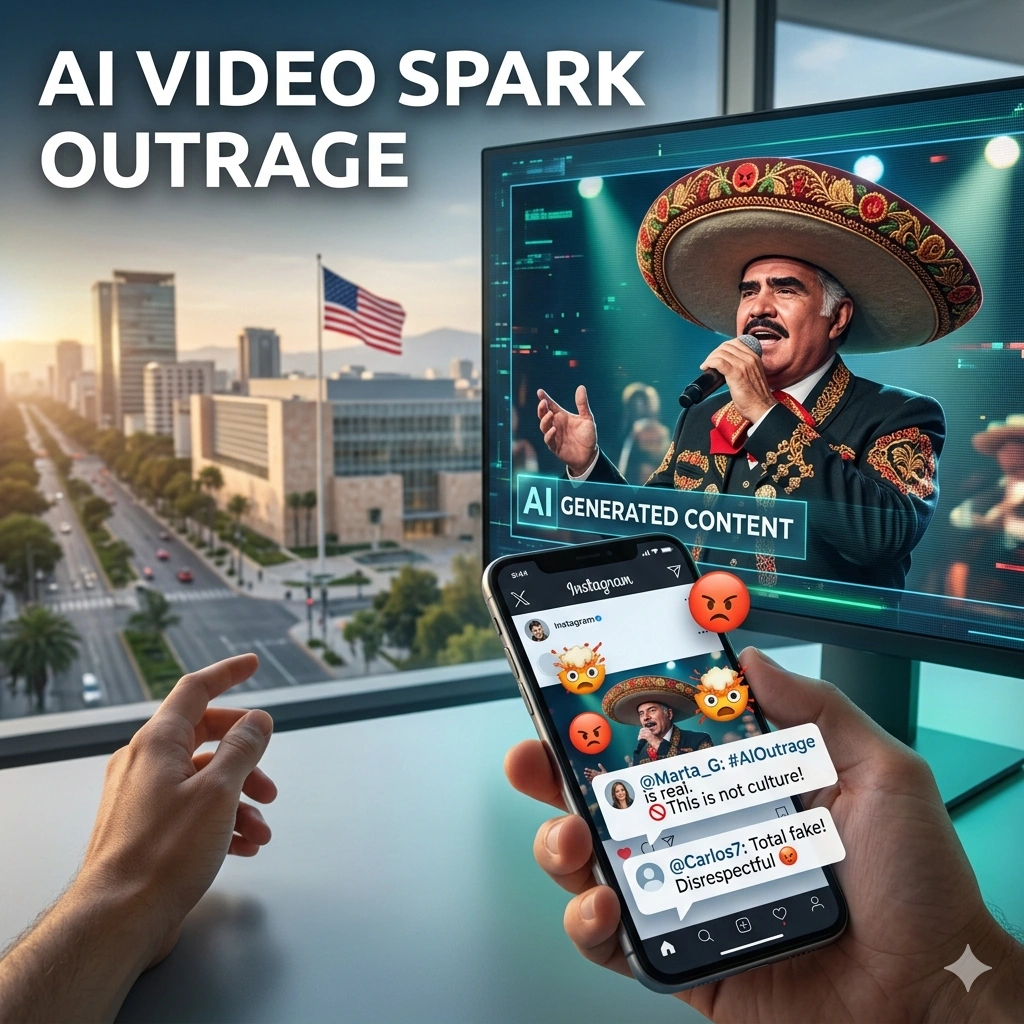
US Embassy AI-Backlash 2026
The unfolding US Embassy AI-Backlash 2026 represents a significant hurdle for bilateral relations during a sensitive period for North American migration policy. Public sentiment in Mexico has turned sharply against the embassy, with many citizens expressing outrage over what they describe as “digital colonialism.” The irony of a foreign power using local traditions to tell people to leave has not been lost on the millions of viewers who have engaged with the content online.
To understand the US Embassy AI-Backlash 2026, one must look at the specific content of the “corridos” produced by the AI. The lyrics, while technically proficient in their mimicry of the genre, have been described as “hollow” and “condescending” by cultural experts. By providing links to a government website for repatriation assistance within a song about heritage, the campaign attempted to blend emotional appeal with administrative action, a tactic that many found manipulative.
The US Embassy AI-Backlash 2026 is also being viewed through the lens of the “digital nomad” controversy in Mexico City and beyond. Many Mexicans are pointing out the double standard: while the US government uses AI to encourage Mexican migrants to “self-deport,” thousands of Americans are moving to Mexico to take advantage of lower living costs, often contributing to gentrification. This contrast has added a layer of class and national resentment to the ongoing social media outrage.
Diplomatic Fallout and Official Responses
The US Embassy AI-Backlash 2026 reached a breaking point when President Claudia Sheinbaum addressed the nation, labeling the campaign as “discriminatory” and “interventionist.” Her administration has been vocal about protecting Mexican sovereignty, and this incident provided a clear platform to push for stricter regulations on foreign digital influence. The President’s sharp rebuke has forced US diplomats into a defensive posture, attempting to explain the intent behind the modernization of their outreach.
The diplomatic consequences of the US Embassy AI-Backlash 2026 could extend to legislative action within the Mexican Congress. Reports indicate that Sheinbaum is considering a bill that would ban foreign governments from disseminating what her office calls “ideological propaganda” through AI or targeted digital ads. If passed, this would fundamentally change how the US conducts public diplomacy south of the border, limiting their ability to use digital tools for migration management.
- President Sheinbaum calls the AI videos “an insult to our national identity.”
- Mexican Congress explores bans on foreign AI-generated political content.
- US State Department remains silent on whether the videos will be pulled.
- Diplomatic cables suggest a “deepening chill” in cross-border cooperation.
These developments show that the US Embassy AI-Backlash 2026 is far more than a PR blunder; it is a catalyst for policy shifts. The Mexican government’s response indicates a low tolerance for “behavioral nudging” when it involves the synthetic recreation of their cultural artifacts. This incident may serve as a cautionary tale for other nations considering AI for high-stakes public messaging in foreign territories.
Cultural Appropriation in the Age of AI
A major theme within the US Embassy AI-Backlash 2026 is the ethical use of cultural symbols by artificial intelligence. Corridos have historically been songs of resistance, often highlighting the struggles of the working class and the very migrants the video is now targeting. Using this specific genre to encourage people to give up on their American journey is seen as a subversion of the music’s original purpose, further fueling the fires of the controversy.
The US Embassy AI-Backlash 2026 has brought together musicians and historians who argue that AI cannot replicate the lived experience required to create authentic folk music. They argue that the embassy’s attempt to “weaponize” nostalgia through a machine-learning model is a fundamental misunderstanding of Mexican culture. This sentiment has resonated with younger generations in Mexico who are tech-savvy and quick to spot the uncanny valley of AI-generated content.
- Musicians protest the “soulless” recreation of the corrido genre.
- Historians point to the genre’s roots in social justice and struggle.
- Social media influencers create “counter-corridos” to mock the embassy.
- Tech ethics groups warn against the “deception” of AI-generated folk performers.
By ignoring these cultural nuances, the creators of the campaign inadvertently ensured the US Embassy AI-Backlash 2026 would occur. The lack of human sensitivity in the AI’s output made the message feel like an “algorithmic order” rather than a genuine suggestion. This failure of empathy is a central point of criticism from those who feel that digital diplomacy has lost its human touch.
Impact on Migration Discourse
The US Embassy AI-Backlash 2026 has complicated the already difficult conversation around migration between the two nations. While the US maintains that it is trying to save lives by discouraging dangerous illegal crossings, the method used has obscured the message. Instead of a debate on the merits of repatriation assistance, the public is now debating the right of the US to use Mexican culture as a tool for border control.
The US Embassy AI-Backlash 2026 highlights the disconnect between policy objectives and public perception. While the embassy likely intended for the AI videos to be a modern, “relatable” way to reach a younger demographic, the execution was perceived as a mockery. This gap in understanding has made it harder for the two governments to collaborate on the actual logistics of migration, as trust has been significantly eroded.
Furthermore, the US Embassy AI-Backlash 2026 has empowered activist groups who advocate for better treatment of migrants in the US. They are using the embassy’s own videos as evidence of a “lack of respect” for the migrant community. By turning the campaign into a symbol of US arrogance, these groups have successfully pivoted the conversation away from “self-deportation” and toward the demand for comprehensive immigration reform and dignity.
The Role of AI in Political Propaganda
The US Embassy AI-Backlash 2026 serves as a global case study for the risks of AI in political communication. As government agencies around the world experiment with generative tools, the “Mexico incident” provides a clear example of how quickly a campaign can spiral out of control. The speed at which AI can produce content means that mistakes are amplified and disseminated before human oversight can intervene.
The US Embassy AI-Backlash 2026 also raises questions about the “transparency” of AI use in government ads. Many social media users didn’t initially realize the performers were AI-generated, leading to a sense of betrayal once the truth was revealed. This “synthetic deception” is a major concern for digital rights advocates who believe that all AI-generated government content should be clearly watermarked or disclosed to the public.
- AI speed vs. human cultural sensitivity checks.
- The risk of “hallucinating” cultural norms in synthetic media.
- Legal implications of using AI for foreign ideological influence.
- Public demand for transparency in AI-driven diplomatic outreach.
As we move further into 2026, the US Embassy AI-Backlash 2026 will likely be cited in future policy debates regarding the “Ethics of Synthetic Diplomacy.” The incident suggests that while AI can translate languages and optimize schedules, it cannot yet navigate the complex emotional and historical landscapes of international relations without causing significant friction.
Social Media’s Role in Amplifying Outrage
The US Embassy AI-Backlash 2026 was fueled largely by the viral nature of platforms like TikTok and X (formerly Twitter). Within hours of the video’s release, Mexican creators were posting “react” videos, many of which gained more views than the original embassy post. This organic backlash shows how quickly a centralized government message can be dismantled by a decentralized network of critics and satirists.
The US Embassy AI-Backlash 2026 became a meme-fest, with users generating their own AI parodies of US officials singing about things like “expensive rent in Polanco.” While humorous, these memes carry a sharp political edge, reflecting the deep-seated frustrations of the Mexican public. The embassy’s inability to control the narrative once it reached the “meme-sphere” illustrates the power of digital counter-movements in modern politics.
- Viral “duets” on TikTok mocking the AI performers’ accents.
- Hashtags like #CulturaNoSeVende (Culture Is Not For Sale) trending for days.
- Crowdsourced investigations into the specific AI models used by the embassy.
- Collaborative playlists of “authentic” corridos to drown out the AI versions.
This digital mobilization is a key component of the US Embassy AI-Backlash 2026. It demonstrates that the Mexican public is highly engaged and protective of their digital space. For the US government, this serves as a reminder that the internet is not a one-way street, and “modernized outreach” must be prepared for the scrutiny of an active and creative online population.
Future of US-Mexico Digital Relations
The US Embassy AI-Backlash 2026 has undoubtedly set back the clock on digital cooperation between the two neighbors. Before this incident, there were discussions about joint AI initiatives for border security and trade. Now, those projects are likely to face increased skepticism from the Mexican public and more rigorous oversight from the Sheinbaum administration.
The US Embassy AI-Backlash 2026 will force a total rethink of how the State Department uses emerging tech. There are calls for a “Cultural Advisory Board” to review any AI-generated content before it is released in foreign markets. This would add a layer of human bureaucracy to an automated process, but it may be the only way to prevent another diplomatic crisis of this magnitude.
- Requirement for human-in-the-loop cultural sensitivity reviews.
- Potential for “Digital Non-Interference” treaties between nations.
- New standards for AI watermarking in diplomatic communications.
- Increased funding for traditional, human-led cultural exchange programs.
The US Embassy AI-Backlash 2026 is a turning point. It marks the moment when “efficiency” in diplomacy was soundly defeated by “authenticity.” The lesson for the US and other global powers is that while machines can generate music, only people can understand why that music matters. The future of digital relations will depend on how well these lessons are learned.
Economic and Social Context of the Campaign
The timing of the US Embassy AI-Backlash 2026 is particularly sensitive given the current economic climate in Mexico. The nation has seen a surge in foreign investment, yet many average citizens feel left behind. The “self-deportation” video arrived at a time when national pride is being used as a shield against the pressures of globalization, making the AI’s use of that pride feel like a personal attack on the poor.
The US Embassy AI-Backlash 2026 also intersects with the “gentrification” debate. When the AI sings about how much better life is in Mexico, it rings hollow to families struggling with rising costs driven by the very “digital nomads” the government welcomes. This economic reality made the campaign’s message feel like a cruel joke to many, further intensifying the anger directed at the embassy.
- Rising inflation and housing costs in Mexican urban centers.
- The perceived “invitation” of wealthy foreigners vs. the “exclusion” of poor migrants.
- The role of national pride in surviving economic hardship.
- The disconnect between the embassy’s “success stories” and the reality of the working class.
By failing to account for this socioeconomic backdrop, the US Embassy AI-Backlash 2026 became an symbol of “out-of-touch” policymaking. The campaign didn’t just fail because it was AI; it failed because it ignored the actual lives of the people it was trying to influence. This holistic failure is why the backlash has been so intense and long-lasting.
The Uncanny Valley of Diplomatic Outreach
The US Embassy AI-Backlash 2026 is a perfect example of the “uncanny valley” applied to politics. The AI performers looked and sounded almost human, but just enough “off” to be unsettling. This physical unease combined with the controversial message created a visceral reaction in viewers that no amount of polished editing could overcome.
The US Embassy AI-Backlash 2026 showed that humans have a natural defense mechanism against “fake” empathy. When a machine tries to “bond” with a person over their national heritage, it often produces the opposite effect—a sense of being watched or manipulated. This psychological barrier is something that future digital campaigns will have to navigate very carefully if they hope to be effective.
- The “creepy” factor of synthetic humans in political ads.
- The lack of genuine emotion in AI-generated singing voices.
- Public rejection of “simulated” cultural appreciation.
- The shift toward “Radical Transparency” in future digital diplomacy.
As the US Embassy AI-Backlash 2026 fades from the headlines, the “uncanny valley” will remain a major hurdle for AI developers. The incident proved that in the world of high-stakes international relations, there is no substitute for the messy, complicated, and entirely human process of real conversation.
Conclusion and the Path to Reconciliation
The US Embassy AI-Backlash 2026 will go down in history as a landmark moment in the evolution of digital warfare and diplomacy. It has exposed the deep cultural rifts that still exist in the North American partnership and the potential for new technology to widen those gaps. For the US Embassy, the road to reconciliation will involve more than just deleting a video; it will require a sincere effort to listen to the voices of the people they offended.
The US Embassy AI-Backlash 2026 has served as a wake-up call for the international community. It has shown that “soft power” cannot be automated. As we move forward into a world increasingly dominated by AI, the events of March 28, 2026, remind us that some things—like music, heritage, and the human spirit—must remain strictly human.
As Mexico moves closer to enacting new laws in response to the US Embassy AI-Backlash 2026, the world will be watching to see if this sets a global precedent for digital sovereignty. The relationship between the US and Mexico is too important to be derailed by an algorithm, but it will take significant effort from both sides to heal the wounds opened by this synthetic song.
For more details & sources visit: The News International
Read more on Mexico news: 360 News Orbit – Mexico