
Vance-Ghalibaf Talks represent a pivotal moment in modern diplomacy as the United States attempts to pull the Middle East back from the precipice of a regional catastrophe. Following a strategic five-day pause in American strikes on Iranian infrastructure, President Trump has signaled a willingness to engage in direct high-level dialogue to prevent further escalation.
This proposed meeting between Vice President JD Vance and Iranian Parliament Speaker Mohammad-Bagher Ghalibaf serves as a critical off-ramp for both nations during this volatile period. As the world watches these developments through intermediaries in Turkey and Pakistan, the stakes for global energy security and regional stability have never been higher. The transition from kinetic military action to potential diplomatic engagement suggests a sophisticated shift in the current administration’s approach to Tehran.
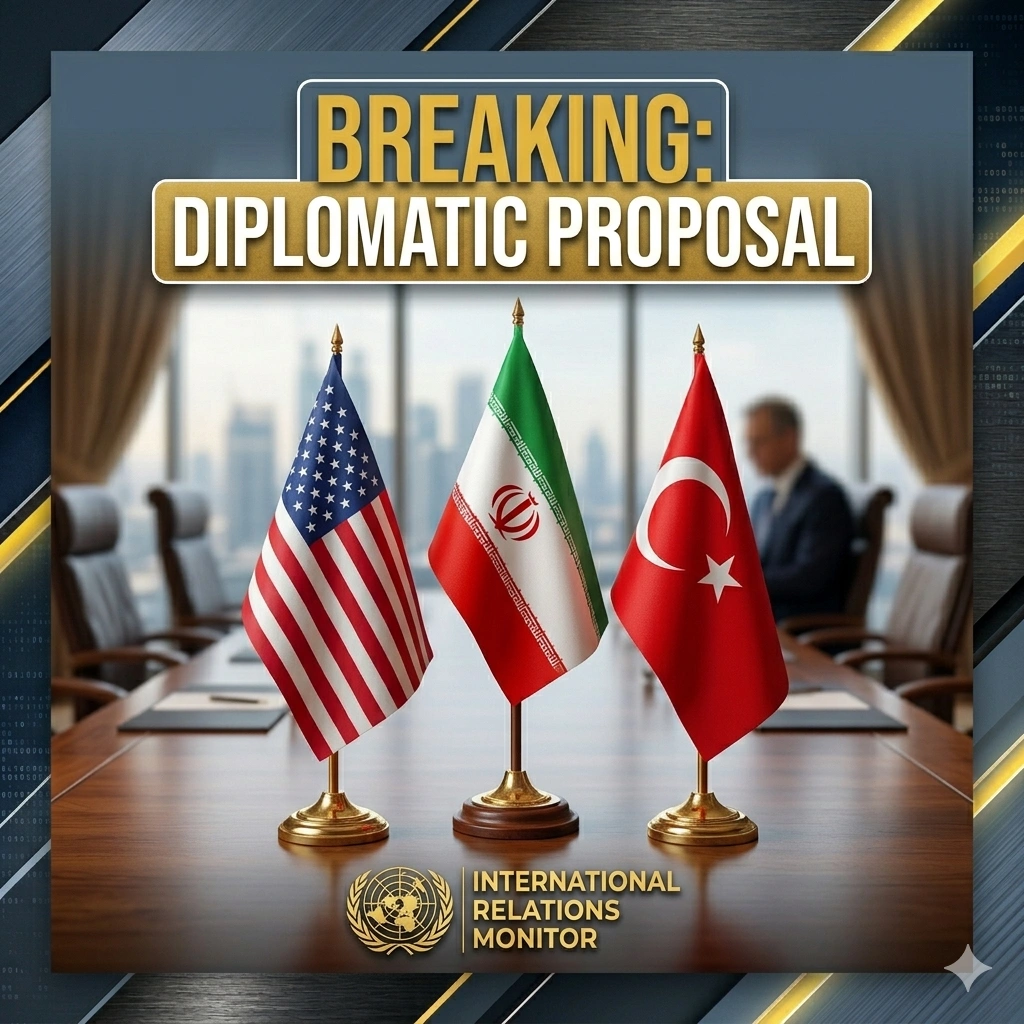
The Strategic Significance of Intermediary Diplomacy
The involvement of Turkey and Pakistan as facilitators for the Vance-Ghalibaf Talks underscores the complex web of regional alliances currently at play. Turkish Foreign Minister Hakan Fidan has been particularly active, leveraging Ankara’s unique position as a NATO member with functional ties to Tehran to bridge the communication gap.
Pakistan’s role is equally vital, providing a secondary channel that ensures messages are delivered with the necessary cultural and political nuance required for such sensitive deliberations. These intermediaries are working tirelessly to establish a framework where both sides can save face while addressing the core grievances that led to the current hostilities.
Without the persistent efforts of these neighboring states, the likelihood of establishing a direct line between Washington and Tehran would be virtually non-existent in the current climate. Their participation provides a layer of deniability and security that is essential for high-stakes negotiations involving such high-ranking officials.
Economic Implications and Global Oil Market Volatility
Market reactions to the news of potential Vance-Ghalibaf Talks have been swift and dramatic, reflecting the deep-seated fears of a prolonged disruption in the Strait of Hormuz. Oil prices, which had previously surged to a staggering $110 per barrel, saw a notable 9% relief drop as traders processed the possibility of a diplomatic breakthrough.
This price correction highlights how sensitive global energy markets are to any sign of de-escalation between the United States and the Islamic Republic of Iran. Investors are closely monitoring the 48-hour ultimatum regarding the reopening of shipping lanes, as any failure in these talks could send prices back into record territory.
The economic pressure on both the U.S. and Iran serves as a silent negotiator in the background, pushing both parties toward the table despite their public rhetoric. Sustained high energy costs threaten global economic growth, making the success of these diplomatic efforts a priority for the international community at large.
Vance-Ghalibaf Talks
The selection of Vice President JD Vance and Speaker Mohammad-Bagher Ghalibaf for these discussions is a calculated move by both governments to ensure political weight is present. Unlike traditional state-department level meetings, involving the Vice President signals that the U.S. is prepared to make high-level commitments if the terms are favorable.
Ghalibaf, a veteran of the Iranian political establishment, represents a faction within Tehran that has the authority to negotiate without appearing to capitulate entirely to Western demands. His initial dismissal of the reports as “fake news” is viewed by many analysts as a standard opening gambit to maintain domestic leverage.
The chemistry and ideological alignment between these two specific figures will be the determining factor in whether a sustainable ceasefire can be reached. If the Vance-Ghalibaf Talks proceed, they will mark the highest level of direct contact between the two nations in several years, potentially resetting the entire regional security architecture.
Challenges to a Lasting Regional Ceasefire
While the proposal for Vance-Ghalibaf Talks offers a glimmer of hope, significant hurdles remain that could derail the process before it even begins in earnest. Israel’s political will remains a wildcard in this diplomatic equation, as Jerusalem views any thaw in U.S.-Iran relations with extreme caution and skepticism.
The 48-hour ultimatum regarding the Strait of Hormuz creates a tight timeline that leaves very little room for error or the usual slow-rolling tactics of international diplomacy. Additionally, internal hardliners in both Washington and Tehran are likely to view any concession as a sign of weakness, creating significant domestic political risks for both leaders.
Turkish officials have warned that while they can facilitate the meeting, they cannot force a resolution on the substantive issues of nuclear enrichment and regional proxy activities. These underlying tensions continue to simmer, threatening to boil over if the initial round of talks does not produce immediate and tangible results for both sides.
The Role of Military De-escalation as a Catalyst
The five-day strike pause was a necessary prerequisite for the Vance-Ghalibaf Talks, providing the “breathing room” requested by regional partners to verify Iran’s intent. This temporary halt in kinetic operations demonstrates a “carrot and stick” approach where military pressure is used to create the conditions for a diplomatic settlement.
If the pause holds and the talks begin, it could serve as a model for future conflict resolution in the Middle East, emphasizing the importance of timed de-escalation windows. However, the U.S. military remains on high alert, ready to resume operations should Tehran choose to ignore the diplomatic overtures being extended through Ankara.
The success of this pause is being measured by the reduction in drone and missile activity across the region, which has seen a marked decrease since the announcement. This quiet on the front lines is the most effective communicator of the potential success of the upcoming Vance-Ghalibaf Talks.
Future Outlook for Middle Eastern Stability
The long-term impact of the Vance-Ghalibaf Talks will depend on the ability of both parties to move beyond immediate crisis management toward a broader regional grand bargain. If these talks succeed in reopening the Strait of Hormuz, it could lead to a series of secondary negotiations regarding broader maritime security and sanctions relief.
A successful meeting would also validate the role of Turkey and Pakistan as essential regional power brokers capable of managing the world’s most dangerous flashpoints. However, the international community remains guarded, knowing that a single miscalculation or accidental skirmish could void the progress made thus far.
The coming days will be some of the most consequential for 21st-century diplomacy, as the world waits to see if the Vance-Ghalibaf Talks can truly avert a total war. For now, the focus remains on the logistics of the meeting and the specific demands that each side will bring to the secret negotiating table in Turkey.
- The U.S. has offered a direct high-level channel to Tehran to avoid a full-scale military confrontation.
- Turkey and Pakistan are acting as the primary intermediaries to ensure the security of the participants.
- Oil markets have stabilized temporarily in response to the news of a potential diplomatic breakthrough.
- The outcome depends on Iran’s willingness to meet the 48-hour deadline regarding the Strait of Hormuz.
Understanding the Internal Iranian Political Dynamic
The internal pressure within the Iranian government regarding the Vance-Ghalibaf Talks cannot be overstated, as different factions vie for influence over the nation’s foreign policy. While the Supreme Leader holds the final word, the involvement of Ghalibaf suggests that the pragmatic-conservative wing is currently leading the response to the American proposal.
By engaging through the Parliament Speaker rather than the Foreign Ministry, Iran may be attempting to frame these talks as a legislative or national security necessity rather than a purely diplomatic surrender. This nuance is critical for maintaining the support of the Islamic Revolutionary Guard Corps, which typically views direct talks with suspicion.
The success of the Vance-Ghalibaf Talks will require Ghalibaf to return to Tehran with concrete evidence that the U.S. is willing to respect Iranian sovereignty in exchange for maritime cooperation. Failure to do so could result in a hardline resurgence that would make future diplomatic efforts nearly impossible to execute.
The Impact of U.S. Domestic Policy on Negotiations
As the United States heads into a period of domestic political scrutiny, the Vance-Ghalibaf Talks represent a significant risk for the Trump administration’s broader foreign policy legacy. Critics argue that offering a meeting while the Strait of Hormuz remains contested could be perceived as a reward for Iranian aggression.
Conversely, supporters of the move suggest that direct engagement is the only way to prevent a trillion-dollar war that would drain American resources and destabilize the global economy. The Vice President’s role in these talks is to project strength while maintaining the flexibility to reach a deal that prioritizes American interests above all else.
The outcome of the Vance-Ghalibaf Talks will likely become a central theme in domestic political debates, especially if they result in a permanent reduction in regional tensions. Every word spoken in these sessions will be analyzed for its alignment with the “America First” doctrine and its implications for long-term regional commitments.
Technological and Intelligence Support for Diplomacy
Modern diplomacy, especially during the Vance-Ghalibaf Talks, is heavily supported by real-time intelligence and technological monitoring to ensure compliance with any temporary agreements. Satellite imagery and maritime tracking are being used by both sides to verify that the five-day strike pause is being respected on the ground.
This technical verification provides the trust necessary for high-ranking officials to enter a room together when the baseline level of trust is historically low. Turkey has reportedly offered its own monitoring assets to act as a neutral third-party observer during the transition from military action to dialogue.
The role of secure communication channels provided by neutral parties ensures that the details of the Vance-Ghalibaf Talks remain confidential until a formal announcement is ready. This technological shield is what allows for the “productive” negotiations mentioned by the White House to occur away from the prying eyes of extremist elements.
The Role of Global Alliances in Conflict Mitigation
The Vance-Ghalibaf Talks are not occurring in a vacuum, as the broader international community, including the EU and China, has a vested interest in the outcome. China, as a major consumer of Iranian oil, has reportedly applied its own back-channel pressure on Tehran to accept the Turkish-facilitated proposal.
The European Union has also expressed cautious support for the Vance-Ghalibaf Talks, hoping that a de-escalation will prevent a new wave of regional instability that could impact Mediterranean security. These global pressures create a unique environment where the U.S. and Iran are being nudged toward the table by nearly every major world power.
This collective international will acts as a stabilizer, making it harder for either party to walk away from the talks without facing significant global backlash. The success of the Vance-Ghalibaf Talks would therefore be a victory not just for the participants, but for the entire concept of multi-polar conflict resolution.
- Global powers are utilizing economic and political leverage to ensure both sides remain at the negotiating table.
- Intelligence sharing between intermediaries helps prevent accidental escalations during the five-day strike pause.
- Public opinion in both the U.S. and Iran remains deeply divided on the merits of direct high-level engagement.
Evaluating the Potential for a Nuclear Breakthrough
While the immediate focus of the Vance-Ghalibaf Talks is the maritime crisis and the prevention of total war, the underlying issue of Iran’s nuclear program remains the elephant in the room. Many analysts believe that if the initial de-escalation is successful, it could pave the way for a “Nuclear 2.0” discussion that addresses the modern realities of 2026.
Any progress on this front would require a level of transparency from Tehran that has been lacking in recent years, but the presence of the Vice President suggests that everything is on the table. The Vance-Ghalibaf Talks could serve as the foundation for a new grand bargain that trades nuclear limitations for permanent sanctions relief and regional recognition.
However, the path to such a deal is fraught with technical and political landmines that have destroyed previous attempts at reconciliation. The participants in the Vance-Ghalibaf Talks must find a way to decouple immediate humanitarian and maritime concerns from the long-term strategic goal of non-proliferation to make any progress.
Humanitarian Concerns and the Regional Population
Behind the high-level politics of the Vance-Ghalibaf Talks lies the very real human cost of the ongoing conflict for the populations of the Middle East. The threat of total war has led to significant displacement and economic hardship for millions of people across the region, particularly in areas near strategic infrastructure.
A successful outcome of the talks would mean a restoration of essential services and a return to relative normalcy for civilians who have lived under the shadow of airstrikes for the past month. The humanitarian dimension provides a moral imperative for the Vance-Ghalibaf Talks that transcends the political ambitions of the leaders involved.
International aid organizations are hopeful that a ceasefire resulting from these talks will allow for the delivery of much-needed medical supplies and food to affected areas. The stabilization of the region would also ease the pressure on neighboring countries that have been bracing for a massive influx of refugees should the conflict expand.
The Significance of the Five-Day Strike Pause
The five-day strike pause is perhaps the most tangible sign of progress leading up to the Vance-Ghalibaf Talks, acting as a cooling-off period for both militaries. This window of time allows for the movement of diplomatic personnel and the establishment of secure meeting locations without the fear of an imminent attack.
It also serves as a test of command and control for both the U.S. and Iran, proving that both leaderships have the authority to stop their forces on the ground. If the pause is violated, it would likely end the possibility of the Vance-Ghalibaf Talks and lead to an immediate and massive escalation of hostilities.
As the fifth day approaches, the tension in the region is palpable, as every hour that passes without a strike brings the possibility of a diplomatic solution closer to reality. This pause is the bridge that the Vance-Ghalibaf Talks must cross to reach a sustainable peace.
- The strike pause is a critical indicator of the seriousness of the U.S. proposal for direct high-level talks.
- Iran’s response to the 48-hour ultimatum will determine if the pause transitions into a long-term ceasefire.
- The role of Turkey in providing a neutral venue is essential for the physical security of the Vice President and the Speaker.
Preparing for the Post-Talks Regional Landscape
Regardless of the immediate outcome, the Vance-Ghalibaf Talks have already changed the regional landscape by demonstrating that direct engagement is still possible. If the talks fail, the region will likely move toward a state of total war with even fewer diplomatic options remaining than before.
If they succeed, the Vance-Ghalibaf Talks will be remembered as the moment when the world’s most dangerous rivalry was finally brought under control through disciplined diplomacy and regional mediation. The post-talks era will require a new set of security arrangements that account for the interests of all regional stakeholders, including those currently on the sidelines.
The world now waits for the official confirmation from Tehran, as the clock on the 48-hour ultimatum continues to tick down toward a defining moment in history. The Vance-Ghalibaf Talks represent the best, and perhaps last, chance to prevent a conflict that would reshape the Middle East for generations to come.
For more details & sources visit: Al-Monitor
Read more on Turkey news: 360 News Orbit – Turkey