
The Saudi government is currently evaluating its strategic options by asserting the Saudi military defense rights to protect its national sovereignty following repeated ballistic missile strikes from Iran. This high-stakes diplomatic and military shift, articulated by Foreign Minister Prince Faisal bin Farhan, emerges as a direct response to escalating drone and missile incursions that have targeted the capital city of Riyadh.
By integrating advanced interception technologies with a clear warning of potential kinetic retaliation, the Kingdom seeks to deter further aggression from Tehran while maintaining regional stability. These defensive posturing measures are designed to ensure that the Saudi state remains secure despite the intensifying friction in the Middle East. The policy emphasizes a “right to respond” philosophy, ensuring that the domestic population remains protected from the ongoing disruptions in regional airspace and the volatile nature of the current geopolitical conflict.
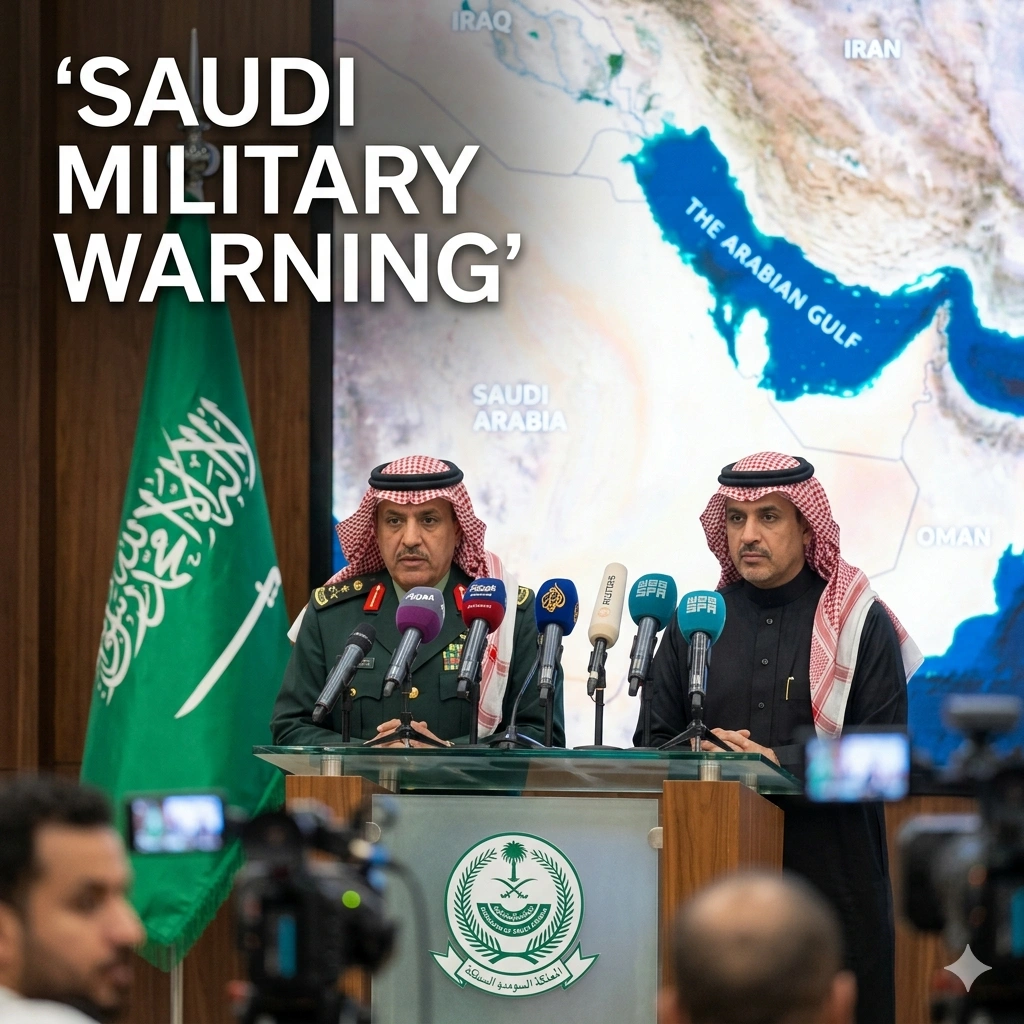
Analyzing the Saudi Military Defense Rights
The Saudi military defense rights represent a critical framework aimed at safeguarding the Kingdom’s territorial integrity against the ripple effects of the ongoing U.S.-Israel-Iran tensions. Central to this strategy is the preservation of national security, ensuring that the Saudi Defense Ministry remains prepared to deploy sophisticated counter-measures against any incoming aerial threats. By focusing on rapid response capabilities, the government intends to create a robust deterrent that can absorb and neutralize the impact of hostile missile launches.
Government officials have highlighted that these rights are not merely rhetorical but are backed by a modernized military infrastructure capable of large-scale operations. The integration of regional intelligence sharing and advanced radar systems demonstrates a holistic approach to defense management that prioritizes national survival over diplomatic patience. As the administration prepares for further provocations, the emphasis remains on high-level readiness and the ability to pivot from defensive to offensive stances based on real-time threat assessments.
The success of the Saudi military defense rights hinges on the seamless coordination between the Royal Saudi Air Defense Forces and international security partners. By setting clear boundaries regarding its sovereign airspace, the Kingdom provides a roadmap for regional deterrence that other Gulf allies are now beginning to support collectively. This proactive stance is essential for maintaining global oil market stability and ensuring that international shipping lanes remain open during a period of significant regional uncertainty.
Saudi Military Defense Rights
The implementation of the Saudi military defense rights serves as the cornerstone of King Salman’s national security agenda for the 2026 fiscal year. This specific mandate requires all branches of the military to prioritize rapid deployment and precision strikes that align with the broader goal of regional stability. By codifying these rights into a formal diplomatic warning, the government provides a clear legal and operational framework for all allied nations to understand the Kingdom’s red lines.
One of the primary objectives within the Saudi military defense rights is the optimization of the Patriot and THAAD missile defense systems to ensure they provide maximum coverage for civilian centers. This includes upgrading software, increasing missile inventories, and exploring new partnerships for drone-neutralization technology. The policy also outlines strict protocols for retaliatory measures, aiming to ensure that any military action taken is proportional and directed at the source of aggression.
Furthermore, the Saudi military defense rights address the need for a unified Arab and Islamic response to external threats that jeopardize the safety of the Holy Sites. By balancing firm military rhetoric with organized regional diplomacy, the government aims to maintain its leadership role in the Islamic world while pursuing its security objectives. This delicate balance is what defines the current administration’s approach to defense in a time of unprecedented regional challenges and shifting military alliances.
Escalating Tensions and the Riyadh Summit
A pivotal component of the Saudi military defense rights is the convening of a high-level summit in Riyadh involving twelve Arab and Islamic nations to discuss the Iranian threat. This initiative is strategically designed to build a collective security front, thereby reducing the risk of the Kingdom standing alone against external aggression. Initial reports suggest that this diplomatic gathering has solidified a shared commitment to defending regional airspace, providing immediate political relief to the Saudi leadership.
The transition to a more assertive military stance under the Saudi military defense rights is also expected to have significant implications for international energy security. By securing the skies over major oil facilities, the government can effectively manage global market expectations and reduce the risk of supply disruptions. This move is a practical application of sovereign power that leverages regional alliances to achieve broader economic and security stability.
Moreover, the unity shown during the Riyadh summit within the Saudi military defense rights encourages neighboring states to invest more heavily in shared defense networks. As nations spend more on integrated security, the potential for a collective deterrent emerges, which may indirectly prevent a full-scale conventional war. The government plans to monitor Iranian activities closely to determine if direct military intervention is necessary to uphold these fundamental rights.
Interception Systems and Aerial Defense Strategies
To bolster the Saudi military defense rights, the administration is accelerating the procurement of next-generation interceptors to capitalize on its existing defensive successes. Saudi Arabia remains one of the world’s most sophisticated operators of missile defense tech, and the current surge in attacks presents a unique requirement to enhance these capabilities. By adjusting the deployment of mobile defense batteries, the government can protect a larger area of the Kingdom from unpredictable missile trajectories.
- Deployment of advanced radar arrays to detect low-altitude drone swarms before they reach civilian infrastructure.
- Revision of engagement protocols to ensure that high-velocity ballistic missiles are intercepted in the upper atmosphere.
- Implementation of stricter airspace monitoring for commercial aviation to ensure passenger safety during active defense engagements.
- Reinvestment of defense funds into domestic manufacturing of interceptor components to facilitate long-term military self-sufficiency.
The expansion of aerial defense activities under the Saudi military defense rights is a calculated move to ensure immediate safety for the state’s residents. While the global community seeks a diplomatic solution, the Saudi government recognizes the strategic necessity of its military readiness in maintaining sovereignty during periods of active threat. This “defense-first” strategy allows the nation to protect its citizens while keeping the doors open for future peace talks.
The role of technology in the Saudi military defense rights is also tied to the stabilization of global maritime trade in the Red Sea. By ensuring a steady and secure environment for logistics hubs, the government can prevent sharp increases in insurance premiums for global shipping. This stability is crucial for maintaining the competitiveness of Saudi ports and ensuring that the Vision 2030 goals remain achievable despite regional conflict.
Regional Diplomacy as a Shield for Sovereignty
The Saudi military defense rights place a heavy emphasis on regional coordination, specifically through the diplomatic efforts of the Ministry of Foreign Affairs. The goal is to rapidly build a coalition that views an attack on one as an attack on all, which significantly reduces the psychological impact of Tehran’s missile campaign. This diplomatic transition is not only strategically sound but is a core security strategy to permanently isolate aggressors in the international arena.
The Foreign Ministry has been given a direct mandate to secure international support for these defense initiatives, ensuring that the Kingdom’s actions are recognized as lawful self-defense. By leveraging the Saudi military defense rights, the Kingdom can attract strategic support from global powers who are keen on maintaining the status quo in the Middle East. This move positions Saudi Arabia as a resilient leader in regional security within the Gulf Cooperation Council.
The focus on collective security within the Saudi military defense rights also includes the development of intelligence-sharing hubs across the Middle East. By providing real-time data on missile launches and drone movements, the government can reduce the reaction time for its defense systems. This creates a more resilient security infrastructure that is less susceptible to the surprise tactics of unconventional forces, further securing the nation’s long-term military outlook.
Impact on Global Oil Markets and Economic Stability
In a symbolic yet impactful move, the Saudi military defense rights include potential adjustments to oil production levels to offset any market panic caused by regional strikes. This “market stability” approach is intended to demonstrate the Kingdom’s commitment to global economic health and to discourage speculative price hikes. By streamlining its energy exports with security protocols, the government aims to redirect market confidence toward the Saudi military defense rights objectives.
These economic measures extend beyond oil to include a rigorous review of foreign investment safety, industrial zones, and non-oil sector projects. The Saudi military defense rights demand that all economic planning be scrutinized for its resilience against regional instability and potential conflict. This disciplined approach to growth is designed to ensure that the Vision 2030 targets are met, even if geopolitical conditions remain tense.
The public perception of these defense measures is a critical component of the Saudi military defense rights. By showing that the highest levels of the military are capable of protecting the nation’s wealth, the administration fosters a sense of national pride and security. This social capital is essential when asking the global business community to continue investing in the Kingdom despite the headlines of missile interceptions and regional friction.
Managing Unconventional Warfare Risks
The overarching goal of the Saudi military defense rights is to navigate the turbulent waters of unconventional warfare, particularly the use of proxy forces. These asymmetric threats have a direct impact on urban safety, industrial output, and civilian morale, all of which affect Saudi Arabia’s development goals. The policy acts as a shield, allowing the government to maintain a steady course toward modernization even when external threats are highly unconventional.
- Developing alternative defense layers for critical infrastructure like desalination plants and power grids.
- Strengthening cyber-defense agreements with technological leaders to prevent digital sabotage.
- Increasing national stockpiles of emergency supplies to prevent panic during localized aerial alerts.
- Enhancing border security to protect against ground-based incursions and smuggling of missile components.
Through the Saudi military defense rights, the government is also addressing the challenges faced by the aviation and tourism sectors, which are sensitive to security concerns. By providing transparent updates on defense successes and improving airport security protocols, the state aims to maintain the growth of its travel industry. This proactive risk management is a testament to the comprehensive nature of the current military strategy and its focus on long-term national endurance.
Long-term Security Stability and Outlook
Looking ahead, the Saudi military defense rights are expected to lay the groundwork for a more self-reliant and technologically dominant military force. By forcing an acceleration in indigenous defense production and high-tech warfare capabilities, the government is inadvertently fast-tracking the modernization of the national defense industry. The military discipline practiced today will likely result in a much stronger regional deterrent and lower reliance on foreign boots on the ground in the future.
The resilience built through the Saudi military defense rights will be tested in the coming months as the regional security environment continues to evolve. However, the diverse nature of the strategies employed—from high-altitude interceptors to regional diplomatic summits—provides multiple layers of protection. This multifaceted approach ensures that the Saudi state is not overly reliant on any single defense partner, making it one of the most secure powers in the Middle East.
Ultimately, the Saudi military defense rights are about more than just military hardware; they are about ensuring the continued sovereignty of the Saudi people. By maintaining a firm stance on the right to retaliate, the government avoids the appearance of weakness which can invite further aggression. The strategic foresight shown by the current leadership in implementing the Saudi military defense rights will likely be remembered as a turning point in the Kingdom’s regional security doctrine.
Impact on International Defense Partnerships
International partners are a vital component in the success of the Saudi military defense rights, particularly regarding the maintenance of advanced weaponry. Many global defense contractors have already begun aligning their support strategies with the Kingdom’s new defense posture, recognizing the importance of a stable Saudi Arabia. This alignment between national defense and international technology is a key driver of the Saudi military defense rights’ effectiveness in a modern battlefield.
However, the Saudi military defense rights also present challenges for diplomatic relations with nations that favor a more cautious approach to regional tensions. To address this, the government is providing detailed evidence of Iranian aggression and showcasing the defensive nature of its military maneuvers. This transparent approach ensures that the Kingdom’s actions are understood as necessary for peace, rather than a move toward unprovoked escalation.
- Provision of technical briefings for allied nations on intercepted missile technologies.
- Collaborative training exercises with regional partners to test integrated air defense networks.
- Support for local defense start-ups to innovate in the field of electronic warfare and drone jamming.
- Strategic dialogues with global powers to ensure the legality of potential military responses under international law.
As the Saudi military defense rights mature, the dialogue between the Ministry of Defense and its global counterparts will be essential for refining these measures. By fostering a collaborative security environment, the state can ensure that military resilience does not lead to diplomatic isolation. Instead, the Saudi military defense rights aim to create a more secure and predictable Middle East that is better equipped to handle future regional shocks.
Strategic Role of Inter-Arab Cooperation
The emergence of a unified Arab defense front as part of the Saudi military defense rights marks a shift toward more sophisticated regional security management. By leading the charge in collective defense, the government is effectively using its regional influence to generate long-term safety. This strategic use of diplomacy is a core pillar of the Saudi military defense rights, ensuring that the Kingdom’s allies are working in concert to stabilize the region.
The involvement of Islamic nations in the Saudi military defense rights also extends to the moral and political condemnation of external interference. By consolidating these voices under a single security umbrella, the government can achieve greater political leverage on the global stage. This centralized approach allows for a more rapid condemnation of missile attacks and a more effective mobilization of regional resources toward the defense projects that are vital for peace.
The transparency and governance of the defense procurement process are also highlighted within the Saudi military defense rights to maintain international trust. By adhering to global standards of military conduct and reporting, Saudi Arabia can attract continued support from nations that value the rule of international law. This influx of political support is a critical secondary benefit of the Saudi military defense rights, providing the legitimacy needed to act decisively when sovereignty is threatened.
Conclusion and Future Projections
In conclusion, the Saudi military defense rights are a robust and necessary response to the volatile security environment of 2026. By combining immediate interception capabilities with long-term regional alliances and strict defense management, the Saudi government is positioning the nation for continued safety. The commitment to asserting the right to military action is a clear signal to the world that Saudi Arabia is a sovereign and prepared regional power.
As the Saudi military defense rights continue to be enforced, their success will depend on the military’s ability to remain one step ahead of evolving missile technologies. The lessons learned from this period of high tension will likely inform Saudi defense policy for decades to come, leading to a more efficient, sustainable, and resilient military force. The Saudi military defense rights stand as a testament to the power of proactive and integrated defense in the face of persistent external threats.
For more details & sources visit: The Times of Israel (AFP)
For the latest updates from Saudi Arabia, visit our Saudi Arabia page.