
Eid Al-Fitr 2026 celebrations in Pakistan have officially been confirmed for Saturday, March 21, marking the end of the holy month of Ramadan. The Central Ruet-e-Hilal Committee announced that since the moon was not sighted on Thursday evening, the nation would complete a full thirty-day fasting period. Consequently, the spiritual atmosphere across the country has shifted from the discipline of fasting to the joyous anticipation of a significant religious festival.
Citizens are preparing for large-scale congregational prayers and family gatherings to mark this blessed occasion. This announcement provides clarity for millions of Pakistanis who were eagerly waiting to finalize their holiday travel plans and shopping. The government has already issued a notification for public holidays to ensure that the working class can celebrate with their loved ones.
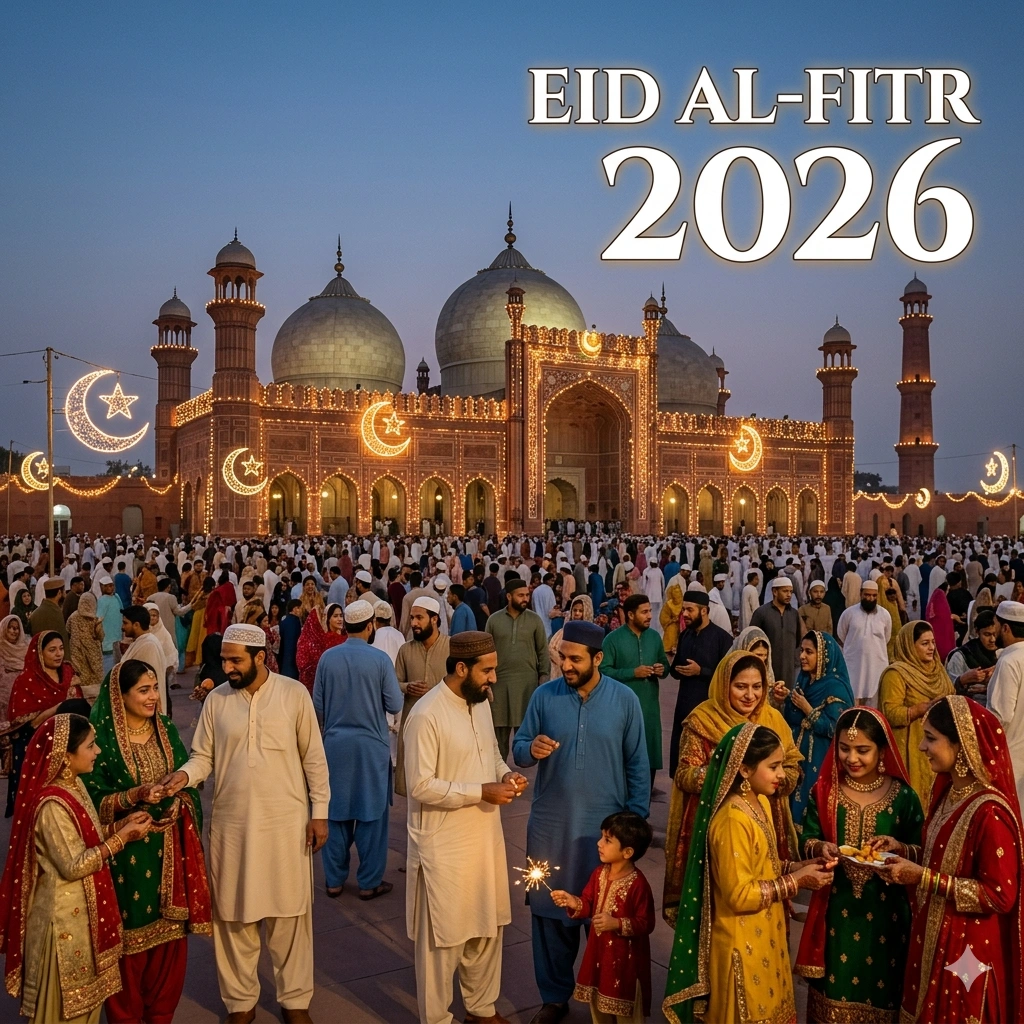
Eid Al-Fitr 2026
The official confirmation of Eid Al-Fitr 2026 came after a high-level meeting of the moon-sighting committee chaired by Maulana Abdul Khabir Azad. Despite various reports from regional sub-committees, no credible evidence of the Shawwal crescent was found on the 29th of Ramadan. Therefore, the committee unanimously decided that the first of Shawwal would fall on Saturday.
This decision means that the spiritual journey of Ramadan 1447 AH concludes after exactly thirty days of devotion. Families throughout Pakistan are now using the extra day to finalize their preparations for the upcoming festivities. From the bustling markets of Karachi to the historic streets of Lahore, the excitement is palpable as people purchase traditional sweets and clothing.
Shopkeepers have reported a massive surge in footfall as the final countdown to the celebration begins in earnest. The religious significance of completing thirty days of fasting is highly regarded in Islamic tradition, offering more time for prayers. Many believers are spending the final night of Ramadan in mosques, seeking the ultimate blessings of the holy month before the festival starts.
Nationwide Preparations for the Festival
Across Pakistan, administrative authorities are making extensive arrangements to facilitate the massive crowds expected at various Eidgahs and mosques. Security plans have been finalized in all major cities, including Islamabad and Peshawar, to ensure the safety of the public during prayers. Traffic police have also issued special route maps to manage the influx of vehicles near prayer grounds on Saturday morning.
The local municipalities are working overtime to clean the surroundings of mosques and public parks where families gather. Since Eid Al-Fitr 2026 is a time for community bonding, the cleanliness of public spaces is a top priority for the government. Many philanthropic organizations are also setting up stalls to distribute food to those who may be struggling financially.
In the rural areas, the traditional fervor is even more evident as villagers decorate their homes with colorful lights. The essence of the holiday lies in the communal spirit that brings people from all walks of life together. It is a day where social barriers are temporarily set aside to embrace the message of universal brotherhood and peace.
Traditional Customs and Festive Attire
One of the most vibrant aspects of this celebration is the emphasis on wearing new and traditional clothing. Tailors across the country have been working day and night to meet the heavy demand for Shalwar Kameez and Kurtas. Women and children especially look forward to wearing intricate designs and vibrant colors that reflect the joyous mood of the day.
The markets are filled with vendors selling glass bangles and henna, which are essential components of the festive look for women. Applying Mehndi on the eve of the festival remains a cherished tradition that brings neighbors and relatives together for a night of laughter. These small but significant customs add a unique charm to the Pakistani cultural landscape during this time.
Children are perhaps the most excited participants in the festivities, as they wait to receive their annual monetary gifts. The tradition of giving money to the younger generation serves as a way to spread happiness and teach them about generosity. It creates lasting memories that reinforce the importance of family ties and the joy of sharing one’s blessings with others.
The Significance of Zakat al-Fitr
While the festival is a time for celebration, it also carries a heavy emphasis on charity and social responsibility. Every Muslim who has the means is required to pay a specific amount of charity before the morning prayers. This mandatory donation ensures that even the most underprivileged members of society can participate in the festivities without worry.
The distribution of these funds or food items usually happens in the days leading up to the main event. Many families prefer to give their donations directly to widows, orphans, or low-income neighbors to ensure the help reaches those in need. This practice highlights the core Islamic values of compassion and empathy that Ramadan aims to instill in every believer.
By fulfilling this religious obligation, the community strengthens its internal bonds and promotes a sense of equality. It serves as a reminder that true happiness is only achieved when we look after the well-being of the entire community. The impact of such collective charity is visible in the smiles of those who receive support during this blessed time.
- Families often prioritize local charities for quick distribution.
- Food grains like wheat and barley are common forms of donation.
- Many organizations set up collection points in urban centers.
- The amount is calculated per head for every family member.
Culinary Delights and Family Feasts
Food plays a central role in the celebration, with specific dishes being prepared only for this special day. The morning usually starts with something sweet, such as “Sheer Khurma” or “Sawaiyan,” which are traditional milk-based vermicelli desserts. These dishes symbolize the sweetness of the rewards earned after a month of rigorous fasting and spiritual discipline.
As the day progresses, families prepare elaborate lunches and dinners featuring spicy meat dishes, biryani, and various types of kebabs. The aroma of traditional Pakistani spices fills the air in every neighborhood, signaling a time of abundance and gratitude. Hosting guests and visiting relatives is a core part of the afternoon routine, where food is shared generously.
The culinary traditions vary slightly from province to province, reflecting the diverse cultural heritage of Pakistan. In Sindh, special types of cakes and pastries are often served, while in Khyber Pakhtunkhwa, meat-heavy dishes dominate the menu. Regardless of the regional differences, the spirit of hospitality remains a common thread that unites the entire nation during the feast.
Public Holidays and Travel Trends
The government of Pakistan has officially declared a two-day public holiday to allow citizens to celebrate without professional pressure. This break is essential for those who work in major cities but have their ancestral homes in smaller towns or villages. Consequently, there has been a massive exodus from urban centers like Lahore and Karachi towards rural districts.
Transport hubs are currently experiencing an unprecedented rush, with buses and trains operating at full capacity to accommodate travelers. While the journey can be long and tiring, the prospect of spending the holidays with parents and extended family makes it worthwhile. The highways are expected to remain busy throughout the weekend as people commute back and forth.
Airlines have also increased the number of domestic flights to handle the seasonal demand for travel between provinces. For many, this is the only time of the year they get to reunite with their entire family under one roof. The government has urged transporters not to overcharge passengers, ensuring that everyone can reach their destination safely and affordably.
- Bus terminals are seeing 24-hour operations to manage the crowds.
- Special trains have been launched by Pakistan Railways for the holiday.
- Traffic police are deployed on major intersections to prevent jams.
- Most private offices will remain closed until Monday morning.
Security Measures and Social Safety
To maintain peace during the large public gatherings, the interior ministry has implemented a comprehensive security grid across the country. Law enforcement agencies are on high alert, with thousands of personnel stationed at sensitive locations and prayer grounds. The goal is to provide a secure environment where people can focus on their religious duties and celebrations.
CCTV cameras have been installed at the entrances of major mosques to monitor the movement of people in real-time. Additionally, walk-through gates and manual body searches are being conducted to prevent any untoward incidents during the congregations. The public has been advised to cooperate with security officials and report any suspicious activity immediately to the authorities.
Medical emergency services are also on standby, with ambulances stationed near large gathering spots to provide immediate assistance. Hospitals have been put on alert, and staff schedules have been managed to ensure that emergency care is available throughout the holidays. These proactive measures reflect the government’s commitment to ensuring a smooth and peaceful celebration for all.
Impact on Local Economy and Retail
The weeks leading up to the festival provide a significant boost to the local economy, particularly in the retail and textile sectors. Small business owners and street vendors often make a large portion of their annual profit during this peak shopping season. The demand for everything from shoes to jewelry skyrockets, creating thousands of temporary jobs in the process.
E-commerce platforms have also seen a massive spike in orders as more people opt for the convenience of online shopping. Digital payment systems are being widely used, reflecting a shift in the shopping habits of the younger Pakistani generation. This economic activity provides a much-needed stimulus to the national treasury and supports local craftsmanship.
However, the high demand often leads to inflation, which the government tries to control through various price-check committees. Despite the rising costs, the spirit of the festival encourages people to spend within their means to make the day special. The resilience of the Pakistani market is on full display as it caters to the diverse needs of a large population.
- Local brands offer massive discounts during the final week of Ramadan.
- Jewelry shops remain open until late at night for female shoppers.
- The footwear industry sees its highest sales volume of the year.
- Many banks offer special cashback deals on festive purchases.
Spiritual Reflections After Ramadan
As the moon of Shawwal rises, it marks not just the end of fasting but the beginning of a new spiritual chapter. The lessons learned during the month of Ramadan, such as patience and self-control, are meant to be carried forward. Many religious scholars emphasize that the true success of the month is measured by the change in one’s character.
The congregational prayers on Saturday morning will feature sermons focusing on the importance of unity and forgiveness. It is a time when people resolve old conflicts and embrace their enemies in the spirit of the holiday. This social healing is one of the most profound impacts of the religious festival on the community’s mental well-being.
The transition from a month of nocturnal prayers to a regular schedule can be challenging for many believers. However, the energy of the festival provides a positive environment to adjust back to daily routines with a renewed sense of purpose. The focus remains on maintaining the habits of regular prayer and charity that were established during the holy month.
Community Events and Youth Engagement
In addition to family gatherings, many local communities organize events such as sports tournaments and fairs for the youth. These activities provide a healthy outlet for energy and foster a sense of belonging among the younger generation. In many neighborhoods, parks are filled with children playing cricket or enjoying traditional rides and swings.
Social media also plays a huge role in how the modern generation celebrates, with people sharing photos and videos of their festivities. This digital connection allows those living abroad to feel part of the celebrations back home in Pakistan. It has become a way to preserve cultural identity and stay connected with roots despite the geographical distance.
Schools and colleges often organize post-Eid functions where students can share their experiences and participate in cultural performances. These events help in passing down traditions to the next generation in a fun and engaging manner. The involvement of the youth ensures that the cultural heritage of the country remains vibrant and relevant in a changing world.
- Local cricket tournaments are a staple in most Punjabi villages.
- Kite flying, though restricted, remains a popular activity in some areas.
- Community centers host dinners for the elderly and orphans.
- Talent shows are organized to showcase traditional singing and dance.
Global Context of the Celebration
While Pakistan celebrates on Saturday, other parts of the world might observe the festival on different days based on their moon-sighting. This global diversity in celebration dates highlights the different methods used to track the lunar calendar across various countries. However, the underlying message of peace and gratitude remains the same regardless of the specific date.
International leaders often send congratulatory messages to the people of Pakistan, recognizing the significance of the day. This diplomatic gesture strengthens the ties between nations and promotes a better understanding of Islamic traditions. The Pakistani diaspora also organizes large events in cities like London, New York, and Dubai to keep the festive spirit alive.
The global Muslim community uses this time to pray for peace in conflict zones and for the well-being of the oppressed. This sense of global solidarity is a powerful reminder that the festival transcends national borders. It is a day of collective prayer for a better and more harmonious world where everyone can live in peace and prosperity.
Weather Outlook for the Holiday Weekend
The meteorological department has issued a weather forecast for the upcoming holidays to help people plan their outdoor activities. Most parts of the country are expected to experience mild and pleasant weather, making it ideal for visiting parks and relatives. In the northern regions, the temperature remains cool, attracting many tourists who wish to spend their holidays in the mountains.
Southern parts of the country, including Sindh, might experience slightly warmer temperatures during the afternoon hours. People are advised to stay hydrated and avoid prolonged exposure to the sun during the peak heat of the day. Overall, the weather conditions seem favorable for the large-scale public gatherings planned for Saturday morning.
The pleasant weather is likely to encourage more people to dine out at restaurants and visit public spaces in the evenings. This will further boost the local tourism and hospitality industry, which relies heavily on holiday traffic. Having a clear forecast allows families to manage their travel schedules more effectively and avoid any weather-related inconveniences.
Future Outlook for Religious Tourism
The government is looking into ways to promote religious tourism during major festivals to showcase the country’s cultural richness. By improving the infrastructure around historic mosques and shrines, Pakistan can attract visitors from across the Muslim world. This initiative would not only boost the economy but also foster a positive image of the country internationally.
Future plans include the development of special “Eid Packages” for tourists that include guided tours of historic religious sites. This would provide a deeper understanding of the architectural and spiritual history of Pakistan to the visitors. Such efforts are part of a broader strategy to diversify the tourism sector and create more sustainable economic opportunities.
As the nation prepares to celebrate Eid Al-Fitr 2026, the focus remains on the core values of faith and community. The lessons of Ramadan will continue to guide the people as they move forward into the rest of the year. The celebration is a testament to the resilience and spirit of the Pakistani people, who find joy and unity in their shared traditions.
For more details & sources visit: Morocco World News
For the latest updates from Pakistan, visit our Pakistan news page.