
MyCIF MSME Funding boosts Malaysia’s economic landscape through a series of transformative financial initiatives designed to bridge the capital gap for emerging sectors. The Malaysia Co-Investment Fund (MyCIF) has officially launched its highly anticipated Silver Economy Scheme and a VC-Led Profit-Sharing Incentive to revitalize the small business ecosystem. These strategic programs are specifically engineered to diversify funding sources for micro, small, and medium enterprises (MSMEs) while targeting the high-growth senior care market.
By aligning government resources with private venture capital, Malaysia is creating a sustainable financial model that ensures long-term stability for innovative startups. This evolution of the MyCIF framework marks a pivotal moment in the nation’s journey toward a more inclusive and technologically advanced economy. With a focus on scalability and impact, the new schemes provide a robust platform for entrepreneurs to thrive despite global economic pressures.
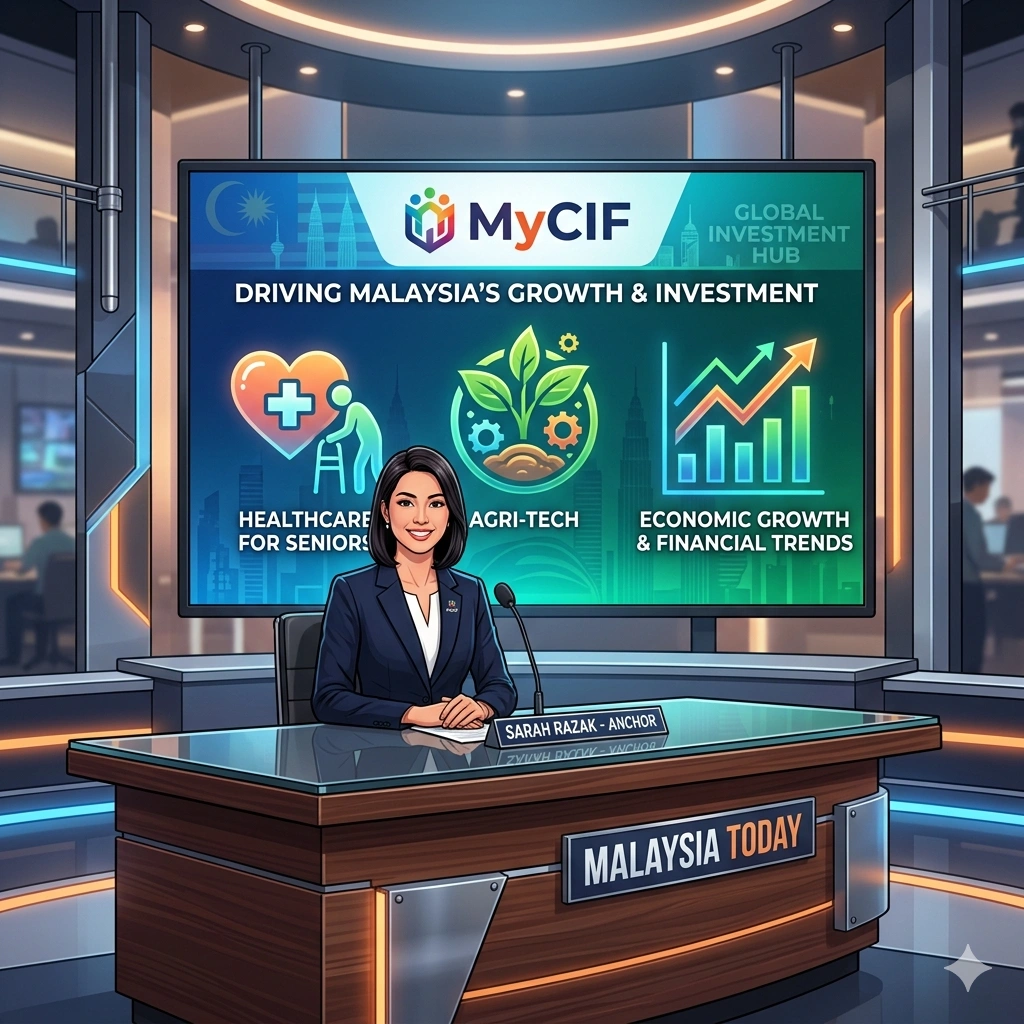
Strategic Growth of MyCIF MSME Funding
The expansion of MyCIF MSME Funding represents a sophisticated shift in how the Malaysian government approaches public-private partnerships within the financial sector. Finance Minister II Amir Hamzah Azizan emphasized that these initiatives are not merely about providing capital but about fostering a resilient investment culture. The primary goal is to mobilize private wealth into sectors that have traditionally been underserved by conventional banking institutions. By offering co-investment matching, the fund significantly reduces the risk for private investors, thereby encouraging a higher volume of transactions.
This new phase of funding is backed by a substantial federal budget allocation, ensuring that the momentum gained since 2019 is maintained and even accelerated. MyCIF has already demonstrated its effectiveness by funneling billions into the local economy, and the new schemes are expected to amplify this effect. Analysts suggest that the focus on equity crowdfunding and peer-to-peer lending platforms will democratize access to investment opportunities for retail investors. This democratization is crucial for building a participatory economy where every citizen can contribute to and benefit from the success of local enterprises.
Furthermore, the integration of advanced financial technologies into the MyCIF MSME Funding framework ensures that disbursements are efficient and transparent. The use of digital platforms for deal-led incentives allows for real-time tracking of investment performance and impact. This transparency builds trust among international investors, positioning Malaysia as a premier destination for venture capital in Southeast Asia. As the program matures, it is likely to serve as a blueprint for other developing nations looking to optimize their MSME support systems through innovative co-investment strategies.
MyCIF MSME Funding
The introduction of the Silver Economy Scheme under the MyCIF MSME Funding umbrella addresses one of the most pressing demographic shifts in Malaysia. As the population ages, the demand for specialized healthcare, care-tech solutions, and senior living facilities is skyrocketing. This scheme provides targeted capital to businesses that are developing products and services tailored to the needs of the elderly. By incentivizing innovation in this niche, the government is ensuring that the silver economy becomes a significant driver of national GDP growth.
In addition to senior care, the MyCIF MSME Funding initiatives are designed to support the digital transformation of traditional service sectors. Many small businesses in Malaysia still operate with legacy systems that hinder their ability to scale in a globalized market. The new funding rounds provide the necessary liquidity for these firms to adopt cloud computing, artificial intelligence, and automated logistics. This technological upgrade is essential for maintaining competitiveness and ensuring that Malaysian MSMEs can participate in international supply chains.
The VC-Led Profit-Sharing Incentive is another cornerstone of the updated MyCIF MSME Funding strategy. By offering venture capital and private equity firms a 50% profit-sharing arrangement on successful exits, the government is creating a powerful magnet for institutional expertise. This incentive encourages professional fund managers to mentor and guide startups that are listed on equity crowdfunding platforms. The combination of professional management and public funding creates a high-growth environment that is conducive to producing the next generation of Malaysian unicorns.
Impact of the Silver Economy Scheme
The Silver Economy Scheme is a visionary component of the MyCIF MSME Funding program that recognizes the untapped potential of the aging demographic. Beyond healthcare, this scheme supports businesses involved in geriatric nutrition, assistive technologies, and specialized financial planning services for retirees. By focusing on these areas, Malaysia is building a comprehensive ecosystem that supports the dignity and well-being of its senior citizens. This proactive approach prevents future social welfare crises while simultaneously creating high-value jobs in the care sector.
Investors are increasingly looking at the silver economy as a “recession-proof” sector, and the MyCIF MSME Funding incentives make it even more attractive. The co-investment model ensures that for every ringgit a private investor puts into a qualified care-tech startup, the government provides matching funds. This leverage allows startups to conduct more extensive research and development, leading to better outcomes for consumers. It also helps in standardizing the quality of care across the country, as funded businesses are required to meet certain operational benchmarks.
Moreover, the Silver Economy Scheme within the MyCIF MSME Funding framework encourages the development of “aging-in-place” technologies. These innovations allow seniors to remain in their homes longer, reducing the burden on institutional care facilities. Smart home sensors, tele-rehabilitation tools, and community-based support apps are all eligible for funding under this new directive. As these technologies become more prevalent, Malaysia will likely see a reduction in overall healthcare costs and an improvement in the quality of life for millions of its citizens.
VC-Led Profit-Sharing Incentives for MSMEs
The VC-Led Profit-Sharing Incentive represents a bold move to align the interests of institutional investors with the broader MyCIF MSME Funding objectives. Traditionally, venture capital firms have focused on high-ticket deals, often overlooking the smaller but equally promising opportunities on crowdfunding platforms. This new incentive changes that dynamic by providing a significant financial upside for VCs who lead and manage these smaller deals. It effectively bridges the gap between the “grassroots” funding of the public and the “professional” funding of the elite.
Through this mechanism, MyCIF MSME Funding is creating a more sophisticated exit environment for local startups. When a professional VC firm is involved, the likelihood of a successful acquisition or public listing increases substantially. The profit-sharing model ensures that the government recoups its investment while also rewarding the expertise of the private sector. This creates a virtuous cycle of reinvestment, where the proceeds from successful exits are channeled back into new cohorts of innovative entrepreneurs.
- MyCIF MSME Funding has successfully co-invested over MYR 1.5 billion since its inception in 2019.
- The total capital funneled into the MSME sector through this model has reached MYR 7.7 billion.
- Over 11,500 individual enterprises have benefited from the various schemes offered by the fund.
- The government has successfully recycled its initial grants more than five times due to the co-investment structure.
The synergy created by this incentive within the MyCIF MSME Funding ecosystem also benefits retail investors who participate in equity crowdfunding. By following the lead of seasoned VCs, individual investors can have greater confidence in the due diligence and growth potential of the companies they support. This collaborative approach reduces the information asymmetry that often plagues early-stage investing. As a result, the entire capital market becomes more efficient, leading to higher valuations and more robust growth for Malaysia’s small business community.
Expanding Food Security and Agri-Tech Support
A critical update to the MyCIF MSME Funding portfolio is the expansion of the Food Security Scheme to include cutting-edge agri-tech startups. With global supply chains facing increasing volatility, Malaysia is prioritizing national agricultural productivity through modernization. This scheme provides capital for precision farming, vertical agriculture, and sustainable aquaculture projects. By integrating technology into the primary sector, the government aims to reduce dependency on food imports and stabilize prices for the domestic population.
Agri-tech startups funded by MyCIF MSME Funding are already making waves by introducing IoT-based monitoring systems that optimize water and fertilizer usage. These innovations not only increase yields but also promote environmental sustainability, which is a key pillar of the nation’s long-term economic strategy. The funding allows small-scale farmers to transition from traditional methods to data-driven agriculture without the crushing burden of high-interest debt. This transition is vital for the survival of the rural economy in a rapidly changing climate.
The inclusion of agri-tech in the MyCIF MSME Funding strategy also creates opportunities for high-skilled employment in rural areas. Software engineers, data analysts, and biotech researchers are now finding roles within the agricultural sector, driving a new wave of rural-urban integration. As these startups grow, they contribute to a more resilient food system that can withstand external shocks. The government’s commitment to this sector ensures that Malaysia remains at the forefront of agricultural innovation in the ASEAN region.
Recycling Capital for Sustainable Ecosystems
One of the most impressive feats of the MyCIF MSME Funding program is its ability to recycle government grants multiple times. By using a co-investment model rather than a traditional grant system, the fund ensures that capital is returned and reinvested into new ventures. This “evergreen” nature of the fund means that a single ringgit of taxpayer money can support several different businesses over its lifecycle. This efficiency is a testament to the fiscal discipline and strategic planning of the Ministry of Finance.
- Digital transformation is a key requirement for businesses seeking MyCIF MSME Funding in 2026.
- The fund prioritizes enterprises that demonstrate a clear path to social or environmental impact.
- Strategic partnerships with international VC firms are being sought to bring global expertise to Malaysia.
The success of capital recycling within MyCIF MSME Funding has allowed the government to expand its reach without constantly requiring massive new infusions of cash. This sustainability is crucial during periods of fiscal consolidation, as it allows the state to continue supporting the private sector without straining the national budget. The data shows that the fund has reached over 11,500 enterprises, a number that would have been impossible under a traditional non-repayable grant model. This high velocity of capital is what truly sets Malaysia’s MSME support system apart from its neighbors.
Furthermore, the recycling of capital through MyCIF MSME Funding fosters a culture of accountability among entrepreneurs. Knowing that the funds are part of a larger, revolving ecosystem encourages business owners to focus on profitability and timely exits. This mindset shift is essential for building a mature startup culture where the goal is sustainable growth rather than perpetual reliance on subsidies. As more companies reach maturity and exit, the fund grows stronger, providing even more resources for the next generation of Malaysian innovators.
Future Outlook for Malaysian MSMEs
As we look toward the future, MyCIF MSME Funding is poised to become the backbone of Malaysia’s high-tech industrial base. The focus on the silver economy, food security, and VC-led incentives creates a diversified portfolio that covers the most critical areas of human need and economic opportunity. The government’s willingness to experiment with new financial instruments shows a degree of agility that is rare in the public sector. This agility will be the deciding factor in how well Malaysia navigates the complexities of the mid-21st-century economy.
The ongoing success of MyCIF MSME Funding will likely lead to even more specialized schemes targeting areas like green energy, aerospace, and advanced semiconductors. As the global economy shifts toward sustainability, Malaysia is positioning its MSMEs to be leaders in the green transition. The infrastructure provided by MyCIF ensures that these small firms have the “dry powder” necessary to compete with much larger international rivals. With the right support, there is no limit to what Malaysian entrepreneurs can achieve on the world stage.
- New application windows for the Silver Economy Scheme open in the second quarter of 2026.
- Enhanced reporting requirements will be introduced to track the ESG impact of all MyCIF MSME Funding.
- Educational workshops for MSMEs on how to qualify for VC-led incentives are being rolled out nationwide.
In conclusion, the evolution of MyCIF MSME Funding is a clear signal that Malaysia is committed to a future driven by innovation and financial inclusion. By targeting the silver economy and incentivizing professional venture capital, the nation is building a robust and resilient economic engine. The impressive track record of the fund since 2019 provides a solid foundation for these new initiatives to succeed. As more businesses tap into these resources, the entire nation will benefit from increased employment, technological advancement, and a more vibrant private sector.
Enhancing Market Liquidity via MyCIF
The role of MyCIF MSME Funding in enhancing market liquidity cannot be overstated, especially in the context of the current global financial climate. By participating in equity crowdfunding and peer-to-peer lending, the fund provides a safety net that encourages private capital to stay active. This liquidity is the lifeblood of small businesses, allowing them to manage cash flow and invest in growth opportunities that would otherwise be out of reach. The presence of government-backed co-investment acts as a stabilizer, preventing the “freeze” in lending that often occurs during market downturns.
As the MyCIF MSME Funding framework matures, it is also attracting a more diverse range of institutional players. Insurance companies and pension funds are beginning to look at these co-investment opportunities as a way to fulfill their mandates for supporting local economic development while achieving competitive returns. This influx of institutional “patient capital” is exactly what is needed to support long-term projects in healthcare and infrastructure. The government’s role as a catalyst ensures that these large pools of capital are directed toward the most productive uses.
The impact of improved liquidity through MyCIF MSME Funding is also visible in the increasing number of successful exits within the local startup scene. A liquid market allows for easier valuations and more straightforward acquisition processes, making it simpler for founders to realize the value they have created. This, in turn, encourages more people to pursue entrepreneurship, knowing that there is a clear path from startup to exit. Malaysia is rapidly becoming a regional hub for financial innovation, and MyCIF is at the very heart of this transformation.
Strengthening the Care-Tech Infrastructure
A significant portion of the MyCIF MSME Funding directed toward the silver economy is being used to build a world-class care-tech infrastructure. This includes the development of integrated health platforms that allow for seamless communication between doctors, caregivers, and elderly patients. By funding the development of these digital tools, the government is ensuring that the care provided is both data-driven and highly personalized. This reduces medical errors and improves the overall efficiency of the healthcare system.
The MyCIF MSME Funding also supports the manufacturing of medical devices specifically designed for the elderly. From advanced mobility aids to wearable monitors that detect falls or cardiac irregularities, Malaysian MSMEs are at the forefront of these life-saving technologies. The ability to produce these items locally reduces costs and ensures that they are readily available to the public. This domestic manufacturing capability is a key component of national resilience, ensuring that Malaysia is not overly dependent on foreign suppliers for critical health equipment.
- Research and development grants are available for MSMEs focusing on geriatric pharmaceutical solutions.
- Training programs for caregivers to use new care-tech tools are being subsidized by MyCIF MSME Funding.
- Collaborative projects between universities and silver economy startups are being encouraged to drive academic innovation.
The social impact of these investments is profound. By strengthening the care-tech infrastructure, MyCIF MSME Funding is helping to create a society where aging is not seen as a burden but as a phase of life supported by technology and community. This shift in perspective is vital for maintaining social cohesion in an aging nation. The economic benefits are equally significant, as the care-tech sector represents a multibillion-dollar global market that Malaysian firms are now well-positioned to export to.
Conclusion and Strategic Outlook
The strategic deployment of MyCIF MSME Funding is a masterclass in how targeted government intervention can spark widespread economic growth. By focusing on high-impact sectors like the silver economy and food security, Malaysia is addressing its most critical challenges while simultaneously building new industries. The VC-led profit-sharing incentives ensure that the private sector remains the primary engine of growth, with the government playing the role of an expert facilitator. This balanced approach is the key to Malaysia’s continued success on the global stage.
As the program continues to evolve, the focus will remain on transparency, efficiency, and impact. The data-driven nature of MyCIF MSME Funding allows for continuous refinement of the schemes, ensuring that capital is always directed where it can do the most good. For Malaysian MSMEs, the message is clear: the government is a willing partner in your growth. With the right ideas and a commitment to excellence, the resources provided by MyCIF can turn a small local firm into a regional leader.
For more details & sources visit: TechNode Global
Read more about Malaysia news on 360 News Orbit – Malaysia.