
Youth Addiction Screening is the primary focus of the Turkish Health Ministry as it launches a comprehensive school-based counseling initiative. This monumental health program aims to safeguard the future of the nation by identifying risks early within the educational environment. By integrating health services directly into schools, the government is taking a proactive stance against various forms of dependency. This strategy ensures that adolescents between twelve and eighteen receive the support they desperately need during their most formative years.
The Health Ministry, under the leadership of Minister Kemal Memisoglu, has officially rolled out this robust Youth Addiction Screening model across middle and high schools nationwide. This initiative is not merely a response to current statistics but a strategic investment in the long-term well-being of the Turkish population. Officials have noted that the post-pandemic era has brought about a significant rise in behavioral challenges among students. Consequently, the implementation of Youth Addiction Screening has become a top priority for educators and healthcare professionals alike.
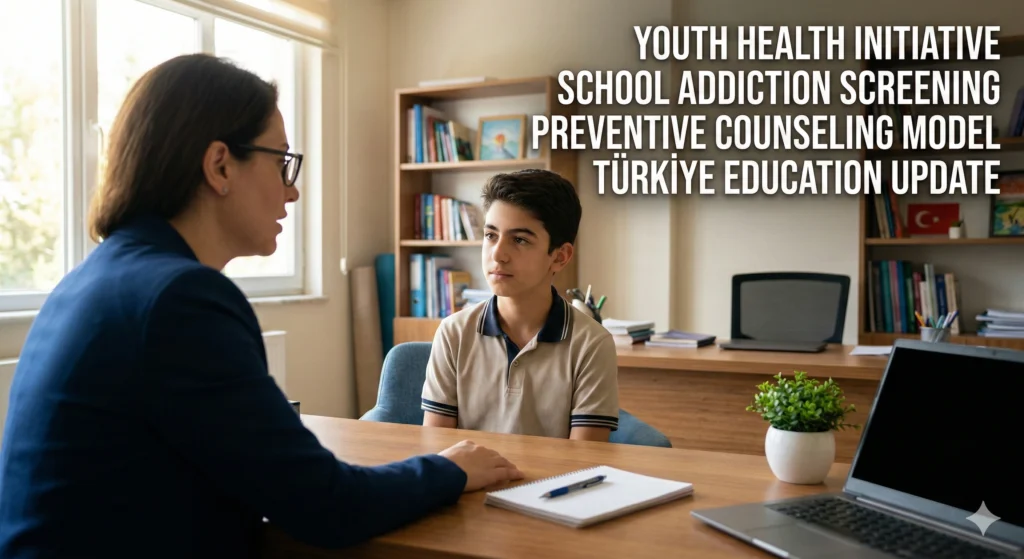
Key Benefits of Youth Addiction Screening for Students
The primary advantage of the new Youth Addiction Screening program is the ability to catch warning signs before they develop into lifelong struggles. When health experts identify risks in a school setting, they can intervene without the stigma often associated with clinical visits. This creates a safe space for students to express their challenges and seek guidance. Furthermore, the program fosters a culture of health consciousness that permeates the entire school community.
Another critical benefit involves the seamless transition from identification to professional medical treatment. Because the Youth Addiction Screening process is linked directly to the national health infrastructure, students identified as “at-risk” do not fall through the cracks. They are guided toward specialized counseling services that are tailored to their specific developmental needs. This holistic approach ensures that both physical and psychological aspects of addiction are addressed simultaneously.
Moreover, the initiative empowers parents by providing them with accurate data regarding their children’s health. Many families are unaware of the subtle signs of substance or behavioral dependencies until a crisis occurs. With Youth Addiction Screening, schools act as a secondary line of defense for the family unit. This partnership between the state and the household is essential for creating a resilient social fabric that can withstand the pressures of modern life.
Youth Addiction Screening
The Turkish government has designed the Youth Addiction Screening protocols to be non-punitive and strictly focused on preventive care. By removing the fear of disciplinary action, the ministry encourages students to be honest about their experiences with tobacco, substances, and digital platforms. This transparency is the cornerstone of effective counseling and recovery. The ultimate goal is to return every student to a path of productivity and mental clarity through consistent support.
How Minister Memisoglu Is Revolutionizing Adolescent Health
Minister Kemal Memisoglu has been a vocal advocate for the Youth Addiction Screening model, emphasizing that adolescence is the most critical window for intervention. He believes that the state must meet children where they spend the majority of their time: the classroom. By shifting resources toward schools, the ministry is breaking down the traditional barriers that often prevent young people from accessing mental health resources. This revolution in adolescent care is expected to set a new standard for public health in the region.
The minister’s vision for Youth Addiction Screening involves a collaborative effort between the Health Ministry and the Ministry of National Education. This inter-ministerial cooperation ensures that the screening tools used are age-appropriate and educationally sound. Teachers and school administrators are also being trained to recognize the behavioral markers that trigger a formal screening. This layered approach ensures that no student is left behind in the effort to eradicate youth dependency.
Furthermore, Memisoglu has highlighted that Youth Addiction Screening is particularly vital for addressing “behavioral addictions,” such as excessive gaming and social media use. These modern challenges require a different set of diagnostic tools compared to traditional substance abuse. The new Turkish model is specifically designed to evolve alongside technological trends, making it a future-proof solution for the digital age. This adaptability is what makes the Turkish program a model for other nations to follow.
The Role of Middle and High Schools in Early Detection
Middle and high schools serve as the front lines for the implementation of the Youth Addiction Screening initiative. These institutions provide a controlled environment where professional counselors can observe social dynamics and academic performance. Often, a decline in grades or a change in social circles is the first indicator that a student might be struggling with addiction. The screening program formalizes these observations into actionable health data.
By embedding Youth Addiction Screening into the school calendar, the ministry ensures that health checks become a routine part of student life. This normalization helps to strip away the “taboo” nature of discussing mental health and addiction. Students begin to view these screenings as a standard health procedure, much like a vision test or a physical exam. This shift in perception is vital for encouraging early self-reporting among the student body.
The program also provides a unique opportunity for peer-to-peer support networks to flourish. When students see that the school is taking Youth Addiction Screening seriously, they are more likely to look out for one another. Peer influence is a powerful tool in adolescence, and the ministry hopes to harness this power for positive outcomes. By creating an environment of mutual care, schools become more than just centers for learning; they become sanctuaries for growth.
Addressing Behavioral Addictions Through Targeted Counseling
Behavioral addictions have become an invisible crisis among the youth, and Youth Addiction Screening is designed to bring these issues to light. Whether it is internet addiction or the misuse of prescription medications, the new model covers a broad spectrum of risks. The counseling sessions that follow a screening are specifically designed to address the root causes of these behaviors. This often involves teaching students healthy coping mechanisms for stress and anxiety.
The integration of specialized counseling into the Youth Addiction Screening framework means that students receive immediate help. There is no long waiting list for a referral to an outside clinic, which can often be a deterrent for families. Instead, the counseling happens within the familiar walls of the school, providing a sense of continuity and security. This immediate response is crucial for preventing a high-risk situation from escalating into a full-blown addiction.
- Counselors provide one-on-one sessions to develop personalized recovery plans.
- Group therapy options are available for students facing similar challenges.
- Educational workshops for parents are conducted to improve the home environment.
- Digital literacy training is offered to combat the risks of internet dependency.
Integrating Medical Treatment with Educational Support
The link between Youth Addiction Screening and the national medical system is a defining feature of the Turkish model. If a screening indicates a severe dependency, the student is seamlessly transitioned to a medical facility for professional treatment. However, their education is not interrupted; instead, the school provides academic support during the recovery process. This ensures that the student does not fall behind their peers while focusing on their health.
This integrated approach recognizes that addiction is a complex health issue that requires both medical and social solutions. The Youth Addiction Screening data is used by doctors to understand the context of the student’s environment, which leads to better clinical outcomes. When the medical and educational systems work in harmony, the chances of a successful and lasting recovery are significantly increased. The Turkish government is committed to providing this high level of care to every citizen.
Furthermore, the results of the Youth Addiction Screening are handled with the utmost confidentiality to protect the student’s privacy. Only authorized health and educational personnel have access to the records, ensuring that the student’s academic record is not unfairly tarnished. This commitment to ethics and privacy is essential for maintaining the trust of the public and the cooperation of the students.
Post-Pandemic Challenges and the Need for Intervention
The global pandemic left a lasting impact on the mental health of children worldwide, making Youth Addiction Screening more necessary than ever. In Türkiye, officials have observed a marked increase in isolation and screen-time-related issues since the lockdowns. These behaviors often serve as a gateway to more serious substance-related addictions. The school-based screening model is a direct response to these evolving social conditions.
By launching Youth Addiction Screening in 2026, the Turkish Health Ministry is addressing the long-tail effects of the pandemic head-on. They recognize that the “new normal” requires new strategies for safeguarding public health. The initiative is a testament to the government’s ability to adapt its health policies to the changing needs of the population. It reflects a deep understanding of the unique vulnerabilities that today’s teenagers face in a rapidly changing world.
The program also aims to rebuild the social skills that many students lost during periods of remote learning. Through the counseling components of the Youth Addiction Screening, students are encouraged to engage in face-to-face interactions and community activities. This focus on social reintegration is just as important as the clinical treatment of addiction. It helps to build a sense of belonging and purpose, which are the best natural defenses against dependency.
Training Educators for Effective Screening Participation
A successful Youth Addiction Screening program relies heavily on the cooperation and training of educators. Teachers are often the first to notice the behavioral shifts that suggest a student is at risk. Therefore, the Ministry of Education is conducting extensive training sessions for staff across all provinces. These sessions focus on identifying the psychological cues of addiction without making the student feel judged or cornered.
Educators are also being taught how to explain the importance of Youth Addiction Screening to their students. When a teacher presents the program as a supportive resource rather than a monitoring tool, students are much more likely to cooperate. This training ensures that the classroom remains a supportive environment where health is prioritized alongside academic achievement. The role of the teacher is transformed into that of a mentor and a guardian of student well-ageing.
Moreover, the training includes modules on cultural sensitivity and local social dynamics. Since different regions of Türkiye face different addiction risks, the Youth Addiction Screening must be flexible enough to address local realities. Teachers are the key to this local adaptation, as they understand the specific challenges faced by their community. This localized expertise makes the national program much more effective on the ground.
Long-Term Impact on Turkish Society and Economy
The long-term goal of the Youth Addiction Screening initiative is to produce a healthier, more resilient workforce for the future. Addiction in youth often leads to lower educational attainment and decreased economic productivity in adulthood. By intervening early, the Turkish government is protecting its most valuable resource: its people. The economic benefits of a healthy population far outweigh the costs of implementing the screening program.
Furthermore, Youth Addiction Screening contributes to a reduction in crime and social instability. Many societal problems are rooted in untreated addiction and mental health issues that began in adolescence. By addressing these problems at the source, Türkiye is creating a safer and more harmonious society for everyone. The program is a cornerstone of the nation’s broader social development goals for the coming decade.
The success of the Youth Addiction Screening program will be measured not just in numbers, but in the lives it transforms. Every student who is guided away from addiction and toward a healthy lifestyle represents a victory for the country. As the program continues to grow and evolve, it will undoubtedly become a pillar of the Turkish public health system. The commitment shown by the Health Ministry today will yield dividends for generations to come.
Community Outreach and Parent Engagement Strategies
The Ministry of Health understands that Youth Addiction Screening cannot exist in a vacuum; it requires the active participation of the community. To facilitate this, the government is launching awareness campaigns to educate parents about the screening process. These campaigns explain how the screening works and what the results mean for their children. By involving parents from the beginning, the ministry ensures a unified front against addiction.
Community centers and local municipalities are also playing a role in supporting the Youth Addiction Screening initiative. They provide additional resources for families who may need extra support outside of the school environment. This network of care ensures that the lessons learned during school counseling are reinforced in the student’s daily life. The result is a comprehensive support system that surrounds the child at all times.
- Parent-teacher associations conduct monthly briefings on health trends.
- Local clinics offer follow-up consultations for students who have undergone screening.
- Community sports programs are integrated as healthy alternatives to addictive behaviors.
- Public service announcements emphasize the non-punitive nature of the health checks.
Technology and Data Security in School Screenings
In the digital age, the management of Youth Addiction Screening data must be handled with the highest level of security. The Health Ministry has developed a secure digital platform to track screening results and counseling progress. This platform uses advanced encryption to ensure that student data is protected from unauthorized access. The use of technology allows for more accurate tracking of trends and the efficient allocation of resources.
Data collected through Youth Addiction Screening is also used to identify emerging addiction trends across different regions. For example, if a specific province shows a spike in a certain type of substance use, the ministry can quickly deploy additional resources to that area. This data-driven approach allows for a more agile and effective response to health crises. It ensures that the government is always one step ahead of the challenges facing the youth.
However, the human element remains at the heart of the Youth Addiction Screening process. While technology provides the data, it is the skilled counselors and doctors who provide the care. The digital platform is merely a tool to help these professionals do their jobs more effectively. The balance between high-tech data management and high-touch personal care is what makes the Turkish model so successful.
Future Perspectives for the National Screening Model
Looking ahead, the Turkish government plans to expand the Youth Addiction Screening program to include even younger age groups if necessary. As the landscape of addiction changes, the ministry is prepared to adapt its protocols to ensure that no child is left vulnerable. There are also discussions about sharing the successes of this model with international health organizations. By leading the way in adolescent health, Türkiye is contributing to the global fight against addiction.
The ongoing refinement of Youth Addiction Screening protocols will involve feedback from students, parents, and educators. This collaborative approach ensures that the program remains relevant and effective. As more data is gathered, the counseling techniques will be further specialized to meet the evolving needs of the youth. The future of the program is one of continuous improvement and unwavering commitment to public health.
Ultimately, the Youth Addiction Screening initiative is a beacon of hope for families across Türkiye. It represents a proactive and compassionate approach to one of the most difficult challenges of modern society. By prioritizing the health and well-being of its young people, Türkiye is building a foundation for a brighter and more prosperous future. The launch of this program on February 27, 2026, marks the beginning of a new era in adolescent healthcare.
Building Resilience and Life Skills in Students
The counseling portion of the Youth Addiction Screening program focuses heavily on building resilience. Resilience is the ability to bounce back from adversity and resist negative influences. By teaching students how to manage their emotions and solve problems, counselors are giving them the tools they need to stay addiction-free. These life skills are valuable far beyond the context of addiction prevention; they are essential for success in all areas of life.
Through the Youth Addiction Screening framework, students are encouraged to set personal goals and pursue their passions. Whether it is sports, arts, or academics, having a sense of purpose is a powerful deterrent to dependency. Counselors work with students to identify their strengths and help them find ways to contribute to their communities. This positive reinforcement is a key component of the recovery and prevention process.
Finally, the Youth Addiction Screening initiative promotes the importance of healthy relationships. Students are taught how to choose friends who support their well-being and how to say no to peer pressure. These social competencies are vital for navigating the complex social world of adolescence. By fostering a supportive and healthy school environment, the ministry is helping students build a solid foundation for their future lives.
- Conflict resolution training helps students manage social stress.
- Goal-setting workshops provide a sense of future orientation.
- Peer mentorship programs pair older students with younger ones for guidance.
Final Thoughts on Türkiye’s Preventive Health Strategy
The implementation of Youth Addiction Screening is a bold and necessary step for the Turkish Health Ministry. It acknowledges the reality of addiction in the modern world while providing a clear and compassionate path forward. By focusing on early detection and school-based support, the government is ensuring that help is always within reach for those who need it. This initiative is a model of how public health and education can work together for the greater good.
As the program matures, it will undoubtedly save countless lives and strengthen the fabric of Turkish society. The commitment to Youth Addiction Screening reflects a deep-seated belief in the potential of every child. By removing the obstacles of addiction, the state is allowing its youth to flourish and reach their full potential. This is a journey toward health, hope, and a better future for the entire nation.
The success of Youth Addiction Screening will be Türkiye’s gift to its future generations. It is an investment that will pay off in the form of a healthier, happier, and more productive society. As the ministry continues its work, the support of the public and the dedication of health professionals will remain the driving forces behind this historic initiative.
For more details & sources visit: Turkiye Today
Read more on Turkey news: 360 News Orbit – Turkey