
Electronic Travel Authorisation 85 Nationalities Face New Strict Mandate is the primary headline for international travelers entering the British border starting this week. The United Kingdom has officially launched its comprehensive digital border strategy, moving away from traditional paper-based systems toward a fully integrated electronic framework. This transition marks a pivotal shift in how the Home Office manages migration and national security protocols for short-term visitors.
For the first time, millions of individuals who previously traveled without formal documentation must now secure pre-arrival permission. The implementation of Electronic Travel Authorisation ensures that every visitor is screened before they even arrive at the departure gate. This proactive approach aims to identify potential security risks while streamlining the entry process for legitimate travelers. As the government transitions to this digital-first model, understanding the nuances of the Electronic Travel Authorisation system is essential for any global traveler planning a trip to the British Isles.
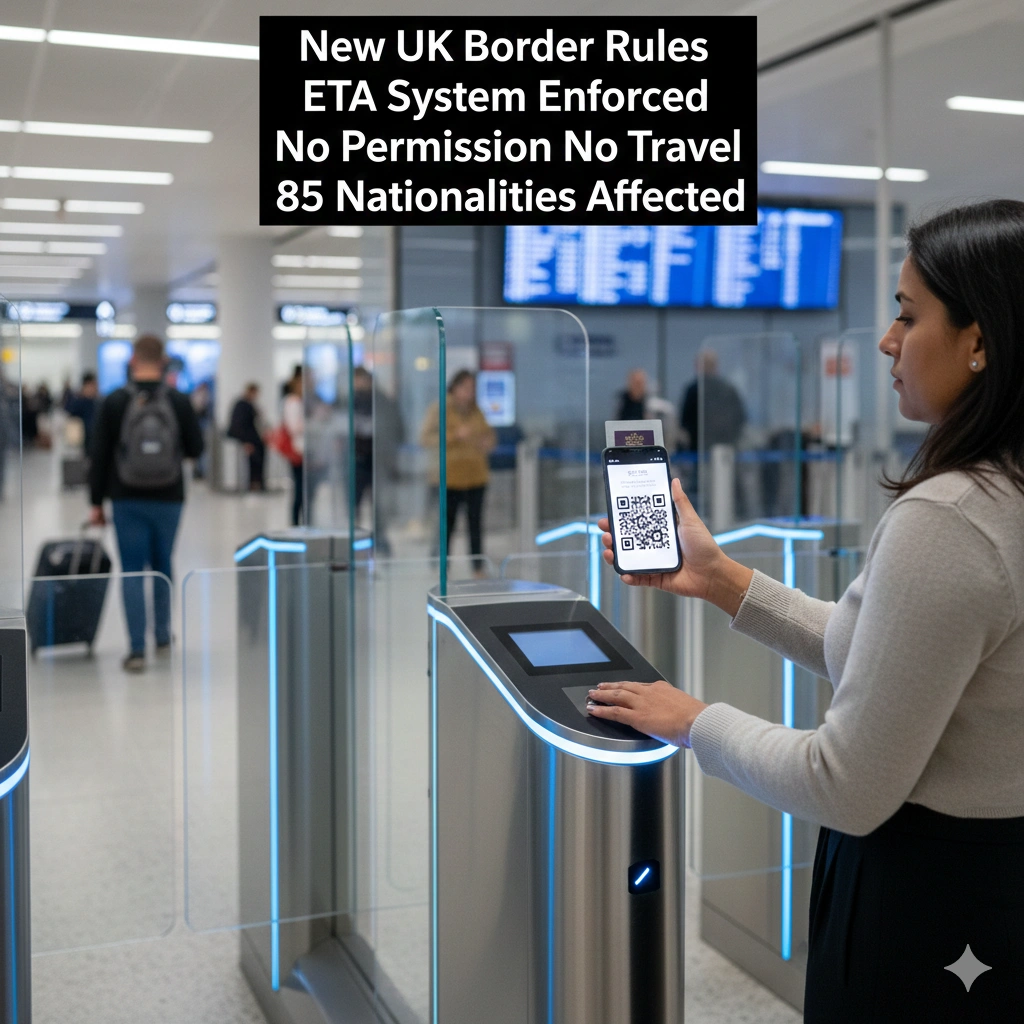
A New Era for British Border Security
The United Kingdom government has officially transitioned to a sophisticated digital screening process to enhance national security and modernize the immigration infrastructure. This bold initiative replaces outdated methods of manual document verification with a robust electronic system that links directly to a traveler’s passport. Consequently, the Electronic Travel Authorisation acts as a digital seal of approval, signifying that the holder has passed preliminary background checks. Officials emphasize that this move is not merely administrative but a critical security upgrade designed to prevent illicit entry.
Security remains the central pillar of the new border strategy as the Home Office seeks to close long-standing loopholes in the visa-waiver program. By requiring an Electronic Travel Authorisation from all non-visa nationals, the government can perform automated checks against international criminal databases and watchlists. This pre-screening occurs well before a passenger boards a plane, train, or ferry, providing an additional layer of protection. Furthermore, the system allows border agents to focus their resources on high-risk individuals while accelerating the passage of low-risk tourists.
International cooperation has played a significant role in the development of this digital infrastructure, mirroring systems used by other global powers. The Electronic Travel Authorisation framework is modeled after similar successful programs like the American ESTA and the Australian ETA. By aligning with international standards, the UK aims to create a more predictable and secure environment for global mobility. Travelers are encouraged to apply early to avoid potential disruptions to their itineraries during this initial rollout phase.
Electronic Travel Authorisation
The Electronic Travel Authorisation serves as the mandatory digital permit for all individuals who do not currently require a visa to visit the UK. This specific requirement applies to citizens from a diverse range of eighty-five countries, including major allies and trading partners. Without this valid digital permission, carriers are legally prohibited from boarding passengers on UK-bound transport services. The system is designed to be entirely digital, meaning there is no physical stamp or paper document to carry during your travels.
Applying for the Electronic Travel Authorisation is a streamlined process conducted primarily through a dedicated mobile application or the official government website. Applicants must provide basic personal details, passport information, and answer a series of security questions regarding their background. Most applications are processed within minutes, although the Home Office recommends applying at least three days before your intended departure date. Once granted, the Electronic Travel Authorisation is valid for two years or until the associated passport expires.
It is important to note that the Electronic Travel Authorisation is not a visa but a pre-travel screening requirement for those with visa-free status. While it facilitates entry, it does not guarantee admission, as border officers retain the final authority to grant leave to enter. The fee for the application is non-refundable and must be paid at the time of submission through the digital portal. This cost contributes to the maintenance and enhancement of the digital border infrastructure across all UK points of entry.
Impact on Global Tourism and Travel Carriers
The shift toward a mandatory Electronic Travel Authorisation has significant implications for the global travel industry and transportation providers. Airlines, rail operators, and ferry companies are now the first line of enforcement for the “No permission, no travel” policy. These carriers have integrated UK government systems into their check-in processes to verify the digital status of every passenger. Failure to comply with these verification steps can result in substantial fines for the transport companies involved.
Tourists from countries like the United States, Canada, and Australia must now adjust their travel habits to include this mandatory step. For decades, these travelers enjoyed seamless entry into the UK with just a valid passport, but the Electronic Travel Authorisation changes that dynamic. Travel agencies are proactively informing their clients about the new rules to prevent holiday cancellations at the airport. Despite the added step, the government argues that the digital system will eventually lead to shorter wait times at immigration halls.
- Travelers must ensure their passport information exactly matches their digital application.
- The system is linked to the passport number, so getting a new passport requires a new application.
- Frequent flyers can use the same authorization for multiple entries over the two-year validity period.
- The mobile app allows for a quicker photo upload process using smartphone camera technology.
Strengthening Immigration Oversight and Compliance
The primary objective of the Electronic Travel Authorisation is to provide the Home Office with a clearer picture of who is entering the country. Previously, visitors from non-visa countries were only screened upon arrival, which limited the ability of authorities to intervene early. With the new system, the government receives data on every traveler before they even start their journey. This increased oversight is a cornerstone of the UK’s post-Brexit border policy and its commitment to controlled migration.
Digital records created by the Electronic Travel Authorisation allow for better tracking of overstayers and those who violate the terms of their visit. By digitizing the entry and exit data, the government can more accurately calculate the number of people present in the country at any given time. This data is invaluable for public service planning and for ensuring that the immigration system remains fair and effective. Furthermore, the system helps in identifying patterns of travel that might suggest organized crime or human trafficking.
Minister for Migration and Citizenship Mike Tapp has highlighted that the Electronic Travel Authorisation gives the state greater power to stop threats. By utilizing advanced algorithms and data analytics, the system can flag suspicious applications for manual review by immigration officers. This targeted approach ensures that the vast majority of legitimate visitors experience no delays while security remains uncompromised. The implementation represents a significant technological achievement for the UK’s digital transformation goals.
Logistics of the Digital Border Rollout
Implementing the Electronic Travel Authorisation on a national scale is a massive logistical undertaking involving multiple government agencies and private partners. The rollout has been phased to ensure that the technology can handle the high volume of applications from different geographic regions. Initial phases targeted Gulf Cooperation Council countries, and the final expansion now includes all eighty-five non-visa nationalities. This gradual approach allowed the Home Office to refine the user interface and backend processing capabilities.
For travelers, the Electronic Travel Authorisation acts as a bridge between their home country and the UK’s border control. The technology utilizes biometric data found in modern e-passports to verify identities with a high degree of accuracy. Users can complete the entire application process on their smartphones, making it accessible even for those on the go. If an application is denied, the individual must apply for a standard Visitor Visa, which involves a more rigorous and lengthy review.
- Applicants receive an email confirmation once their digital permission is successfully linked to their passport.
- The system operates 24/7, allowing for last-minute applications in urgent travel situations.
- Customer support centers have been expanded to assist travelers with technical issues or application queries.
- Electronic gates at major airports are being updated to recognize Electronic Travel Authorisation holders automatically.
Exemptions and Special Considerations for Travelers
While the Electronic Travel Authorisation is mandatory for most, there are specific groups who are exempt from this new requirement. Individuals who already hold a valid UK visa, such as a work or study visa, do not need to apply for additional digital permission. Furthermore, those who have a pre-existing digital immigration status under the EU Settlement Scheme are also exempt. It is crucial for travelers to verify their status before paying for an application they might not need.
British and Irish citizens do not require an Electronic Travel Authorisation to travel within the Common Travel Area. This longstanding arrangement remains untouched by the new digital border policies, ensuring ease of movement between the UK and Ireland. However, legal residents of Ireland who are not Irish or British citizens may need the authorization depending on their nationality. The Home Office has provided detailed guidance for these specific cross-border scenarios to prevent confusion.
- Children and infants from non-visa countries must have their own individual digital permission.
- The authorization covers visits for tourism, visiting family, and certain short-term business activities.
- Transit passengers who are passing through a UK airport to another destination also require the permit.
- Refugees and stateless persons should check specific visa requirements as the digital permit might not apply.
Future of the UK Contactless Entry System
The long-term vision for the UK border is a completely contactless experience where the Electronic Travel Authorisation plays a central role. In the coming years, the government plans to replace physical passport checks with facial recognition technology at all major ports. This would allow travelers to walk through the border without ever stopping to show a document to an officer. The digital permission granted by the system is the foundational data layer required to make this futuristic vision a reality.
As the Electronic Travel Authorisation becomes the standard, the Home Office will continue to integrate it with other digital services. This could include linking travel records with health data or transport bookings to provide a more holistic travel management system. The goal is to make the British border one of the most technologically advanced and secure in the world. For the global community, this means a more standardized and predictable way to visit one of the world’s most popular destinations.
International reaction to the Electronic Travel Authorisation has been generally positive, with many countries recognizing the need for enhanced border security. While some have raised concerns about the additional cost, the government maintains that the fee is essential for funding the transition. As other nations move toward similar digital models, the era of “just showing up” with a passport is quickly coming to an end. Travelers who embrace these digital tools will find themselves moving through international hubs with greater ease and confidence.
Preparation for Your Next British Journey
To ensure a smooth trip, travelers should make the Electronic Travel Authorisation part of their early holiday planning process. Checking the validity of your passport is the first step, as the digital permit cannot outlast the document it is linked to. Once your flights are booked, taking ten minutes to complete the online form can prevent a major headache at the airport. The Electronic Travel Authorisation is a small but vital part of the modern travel experience that ensures the UK remains open and secure.
The integration of the Electronic Travel Authorisation into daily travel routines will soon become second nature for global citizens. Just as mobile boarding passes replaced paper tickets, this digital permission is the next step in the evolution of international mobility. The Home Office remains committed to providing a user-friendly platform that balances convenience with the highest standards of national safety. By following the new guidelines, visitors can focus on enjoying the rich culture and history the United Kingdom has to offer.
In conclusion, the Electronic Travel Authorisation represents a significant milestone in the UK’s journey toward a digital border. It provides the necessary tools for the government to manage its borders effectively while offering a streamlined path for millions of visitors. As the policy takes full effect this Wednesday, the world will be watching how this massive digital shift impacts global travel patterns. For the eighty-five nationalities affected, the message is clear: obtain your digital permission before you head to the airport.
For more details & sources visit: The Mirror
For more updates about the United Kingdom, visit our UK news page.