
The Malaysia Inflation Strategy 2026 is currently the primary focus for Bank Negara Malaysia as the nation grapples with persistent global supply chain disruptions. Central Bank Governor and government officials have recently confirmed that multifaceted strategies are being deployed to combat the rising cost of living effectively. This comprehensive economic overhaul includes significant adjustments to the overnight policy rate to influence borrowing costs and manage national demand levels. By maintaining essential subsidies and implementing targeted price controls, the administration seeks to protect the budgets of low-income and vulnerable households. Analysts suggest these aggressive monetary measures are vital for stabilizing consumer purchasing power in a volatile market.
This strategic economic framework began in early January when global pressures started impacting the prices of everyday necessities like fuel and groceries. The Malaysia Inflation Strategy 2026 is specifically designed to alleviate the immediate financial burdens placed on the middle-class population and the socio-economically disadvantaged. By modernizing the approach to monetary policy, Bank Negara Malaysia intends to simplify financial stability and lower the risks of long-term currency devaluation. This technical adjustment is a prerequisite for any meaningful recovery in the domestic retail trade and industrial sectors. As the government reasserts its fiscal authority, these new measures serve as a symbol of economic resilience for the Malaysian financial system.
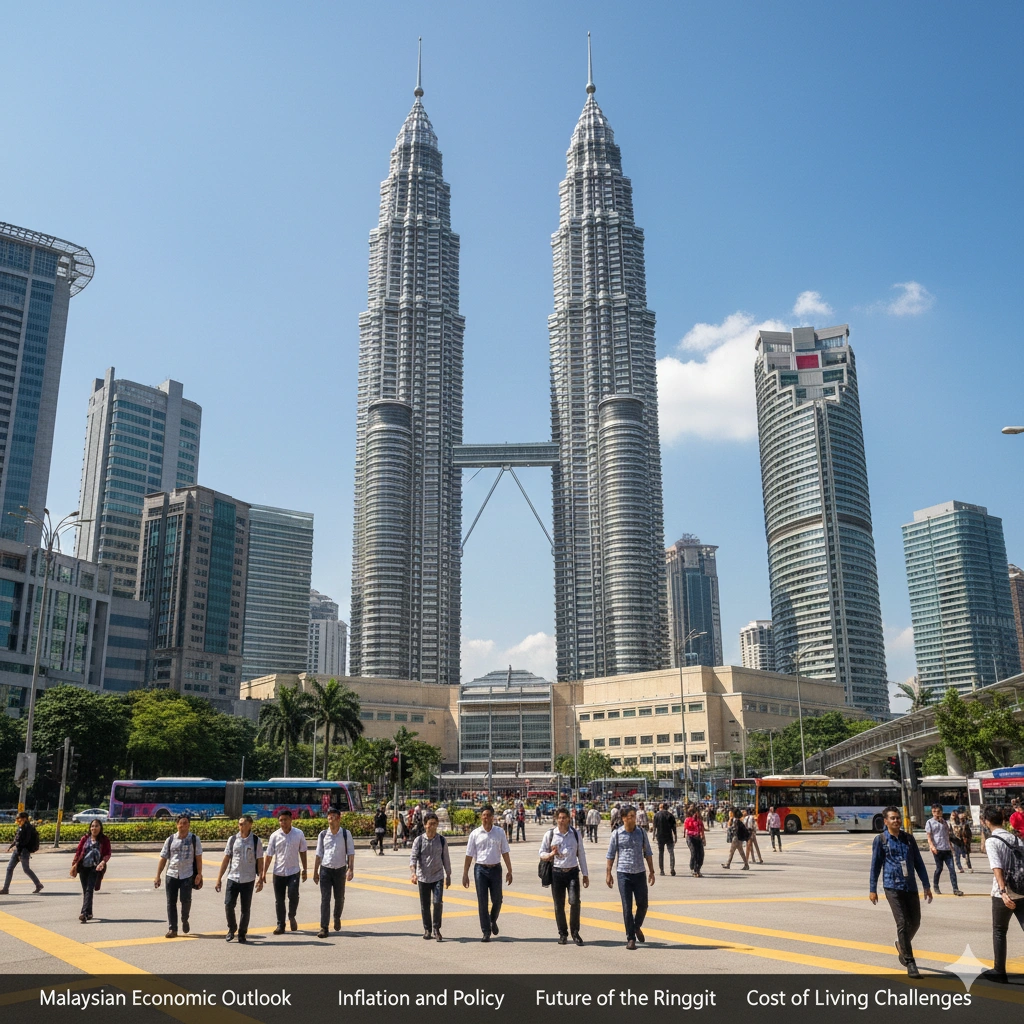
Malaysia Inflation Strategy 2026
The distribution of financial aid and subsidized goods has been prioritized in major urban centers to ensure the Malaysia Inflation Strategy 2026 reaches those most affected by price hikes. Officials noted that the stabilization of essential commodity prices is a significant milestone achieved in just a few weeks of the new quarter. The logistics of managing price controls across a diverse archipelago requires extensive coordination between the central bank and local state authorities. This rapid response is intended to minimize market speculation and prevent artificial price inflation by unscrupulous traders. Shopkeepers and citizens are gradually seeing the benefits of these price ceilings, which make daily transactions significantly more predictable.
Restoring Purchasing Power Through Rate Adjustments
The decision to actively monitor and adjust the overnight policy rate is a central pillar of the Malaysia Inflation Strategy 2026 to fight persistent inflation. For months, the rising cost of borrowing had made it difficult for small businesses to expand or for families to manage household debt effectively. By fine-tuning these rates, the central bank is effectively resetting the economic temperature to prevent overheating while encouraging sustainable growth. This rebalancing process is expected to streamline financial planning for both private corporations and government agencies alike. It also reduces the physical burden on the banking infrastructure, which must now adapt to a more cautious lending environment.
Furthermore, the Malaysia Inflation Strategy 2026 aims to reduce income inequality by updating the visual and structural identity of national social safety nets. The introduction of progressive taxation models is a powerful signal of a political and economic transition toward a more equitable society. This structural shift is intended to foster a sense of national unity as the country moves toward a more inclusive post-pandemic era. By focusing on the needs of the “B40” and “M40” income groups, the new policies represent a commitment to social justice rather than just raw GDP numbers. This change is crucial for gaining the trust of the local workforce and international human rights organizations.
International observers are closely monitoring the Malaysia Inflation Strategy 2026 to see if it can successfully reduce the reliance on volatile global commodity markets. High levels of imported inflation have long stripped the central bank of its ability to maintain price stability, as most essential goods were subject to international price swings. If the domestic market can stabilize, the bank will regain the power to influence long-term interest rates and control the broader money supply. This return of monetary authority is vital for the long-term health of the Malaysian economy. Without a stable domestic pricing environment, the government would remain unable to fund public infrastructure or manage the national debt.
Aligning with Global Governance and Transparency Standards
As part of the Malaysia Inflation Strategy 2026, the government has initiated a formal assessment of its anti-corruption measures and governance frameworks. This evaluation is designed to identify areas where the Malaysian regulatory system can improve to meet international financial benchmarks. By inviting external auditors and implementing strict oversight, the administration is demonstrating a level of transparency that enhances its reputation on the global stage. The goal is to align domestic business regulations with the highest global standards to attract high-value foreign direct investment. These steps are essential for any nation hoping to remain a competitive hub in the Southeast Asian region.
The assessment is a critical component of the Malaysia Inflation Strategy 2026, as it provides a roadmap for modernizing the legislative framework governing the labor market. Experts are looking at youth unemployment rates and the mismatch in professional skill sets that hinder economic productivity. Upgrading vocational training systems will allow Malaysia to host more advanced manufacturing plants and attract tech giants to set up regional headquarters. The government is also focusing on training the domestic workforce to handle automated systems and specialized technical roles. This human capital development is just as important as the fiscal management of the inflation crisis.
Efforts are also underway to strengthen environmental sustainability as a core component of the Malaysia Inflation Strategy 2026. Integrating green incentives into economic planning provides the liquidity needed to transition toward a renewable energy economy. It also allows the government to protect its vast forest reserves while still promoting industrial growth in a responsible manner. The restoration of ecological balance is being treated as a financial asset that protects the country from climate-related economic shocks. Successfully navigating this environmental and financial challenge would be a major victory for the current administration’s legacy.
Addressing Structural Hurdles in the Labor Market
The Malaysia Inflation Strategy 2026 is also being used as a tool for solving long-standing structural issues within the national labor force. New technical training centers are scheduled to open in rural and semi-urban areas that were previously overlooked by the high-tech boom. By establishing a physical presence in these regions, the government is extending economic opportunity and offering citizens a chance to upskill. This move is intended to displace the low-wage trap that has hindered many young Malaysians from entering the middle class. Providing a path toward high-value employment is key to bringing these regions into the modern national economic fold.
- The opening of new vocational hubs will facilitate better job matching for graduates.
- Specialized credit lines will support local entrepreneurs in the technology sector.
- Rural businesses will be able to access grants for automation without moving to Kuala Lumpur.
- The expansion helps standardize the quality of life across all Malaysian states.
This expansion of the Malaysia Inflation Strategy 2026 ensures that the benefits of national growth are felt in Kelantan and Sabah as much as in the Klang Valley. It allows the government to collect better data on unemployment trends, which is vital for planning future education budgets. The presence of modern training institutions also provides a secure environment for the youth to build careers and contribute to the economy. As the state re-establishes these services, it reinforces its role as the primary driver of social and economic mobility. This institutional growth is a clear indicator of the government’s long-term strategy for national prosperity.
Diversifying Exports to Mitigate Global Trade Tensions
The success of the Malaysia Inflation Strategy 2026 is closely tied to the diversification of the nation’s export markets and the promotion of domestic demand. Trade revenues are expected to remain a primary driver of GDP growth, providing the backing needed for the national currency. By funneling these resources into sovereign funds under strict oversight, the government can ensure that export wealth is used for national development. This transparent management of trade revenue is a key demand of foreign investors and a cornerstone of the new economic policy. Without a diversified trade portfolio, maintaining the value of the ringgit would be extremely difficult.
- Semiconductor exports are projected to reach record highs by the end of 2026.
- Renewable energy technology will be prioritized for export to neighboring ASEAN nations.
- Sovereign wealth funds will manage a portion of trade surpluses for long-term stability.
Integrating trade diversification into the framework of the Malaysia Inflation Strategy 2026 provides a buffer against fluctuations in international demand. It allows the central bank to build up its foreign exchange reserves, which are necessary to defend the ringgit on the global market. This synergy between trade policy and monetary policy is what sets the current strategy apart from previous attempts at economic stabilization. As the export sector recovers, the increased demand for Malaysian products for global operations will further strengthen the nation’s financial position. This cycle of export growth and domestic stability is the ultimate goal of the current economic plan.
Reconnecting Malaysia with High-Value Global Investors
Financial authorities believe that the Malaysia Inflation Strategy 2026 is the essential bridge needed to attract a new wave of high-value global investors. For too long, certain sectors of the economy have been sensitive to political fluctuations, making it difficult to maintain long-term capital inflows. The new reforms are designed to break this cycle by adopting the governance standards required by global institutional investors. As the government proves its ability to manage inflation and oversee the corporate sector, international trust will continue to grow. This reconnection is vital for the private sector, which needs access to global capital to innovate and create high-paying jobs.
The Malaysia Inflation Strategy 2026 also includes plans for digital economy upgrades to make the nation a leader in Southeast Asian fintech. By encouraging the use of blockchain for supply chain transparency and digital banking for the unbanked, the government aims to modernize the entire financial ecosystem. This shift toward a digital economy is a hallmark of the “Malaysia Madani” vision and will help reduce the informal economy. Electronic tracking of trade transactions also makes it easier to combat financial crimes and ensure that the government has the revenue needed for public services. These technical improvements are being implemented alongside the monetary policy shifts to ensure a comprehensive modernization.
- Introduction of a new digital trade platform for small and medium enterprises.
- Partnerships with global tech firms to facilitate cloud computing infrastructure.
- Tax incentives for companies that achieve high levels of automation and green energy use.
- Public awareness campaigns to educate citizens on managing personal debt and inflation.
Ultimately, the Malaysia Inflation Strategy 2026 is about more than just numbers on a spreadsheet; it is about rebuilding the economic security of a nation. The proactive approach taken by Bank Negara Malaysia signals a transition from reactive crisis management to proactive strategic planning. While global challenges remain, the successful implementation of rate adjustments and price controls in just a few weeks is an optimistic sign. If the government can maintain this momentum and continue its path of structural reform, the Malaysian economy may once again become a regional leader in stability and growth. The road ahead requires discipline, but the first major steps have been taken with clear vision.
Future Outlook for the Malaysian Ringgit and Economy
The long-term success of the Malaysia Inflation Strategy 2026 will depend on the government’s ability to balance fiscal discipline with the need for social spending. While the current measures have provided a necessary cushion against rising costs, they must be accompanied by productivity gains to be truly sustainable. Investors will be looking for political stability and a consistent regulatory environment before committing to long-term projects in the country. The central bank has indicated that it will continue to monitor the global interest rate environment closely and adjust its domestic policies accordingly. This vigilant approach is necessary to prevent the return of capital flight that often plagues emerging markets.
As the Malaysia Inflation Strategy 2026 moves into its next phase, the focus will shift toward enhancing the real wages of the Malaysian workforce. A stable pricing environment means that annual salary increments will translate into actual improvements in the standard of living. This social stability is just as important as the macroeconomic indicators, as it ensures that the benefits of growth are shared by all. The government’s commitment to funding green energy and high-tech education should also improve the long-term competitiveness of the nation. By linking the economy’s value to actual human talent and sustainable resources, the administration is building a resilient future.
In conclusion, the Malaysia Inflation Strategy 2026 stands as a bold attempt to safeguard the nation’s economic future against global uncertainty. Through a combination of precise monetary policy, structural labor reforms, and international trade diversification, the government is laying the groundwork for a prosperous 2026 and beyond. The implementation of targeted subsidies and rate adjustments is a strong start, but the work of economic transformation is ongoing. As the global economy continues to evolve, the world will be watching to see if Malaysia’s ambitious strategy can truly deliver lasting stability. For the people of Malaysia, these reforms offer a clear path toward a more secure and thriving life.
For more details & sources visit: The Detroit Bureau
Read more about Malaysia news on 360 News Orbit – Malaysia.