
The Bahrain Chamber for Dispute Resolution CEO recently emphasized the critical role of institutional arbitration in securing high-value international investments during a major summit in Cairo. Ahmed Husain Abdulrahman joined a prestigious gathering of legal minds and academic leaders to address the complexities of modern infrastructure and energy law. His participation underscores Bahrain’s commitment to providing a transparent and efficient legal framework for global investors operating within the Middle East. By sharing the unique operational model of the Bahrain Chamber for Dispute Resolution, the Kingdom has further solidified its position as a leading hub for legal excellence and cross-border commercial stability.
The Bahrain Chamber for Dispute Resolution CEO highlighted that specialized arbitration centers are no longer optional but essential for the success of multi-billion dollar construction projects. During the keynote sessions at Cairo University, Abdulrahman explained how these specialized bodies provide the necessary expertise to navigate technical disputes that traditional courts might struggle to resolve. The Bahrain Chamber for Dispute Resolution CEO focused specifically on how the Kingdom’s legal jurisdiction is designed to protect both state interests and private contractor rights in the volatile oil and gas sectors. This balanced approach is vital for maintaining the flow of foreign direct investment into the Arab region.
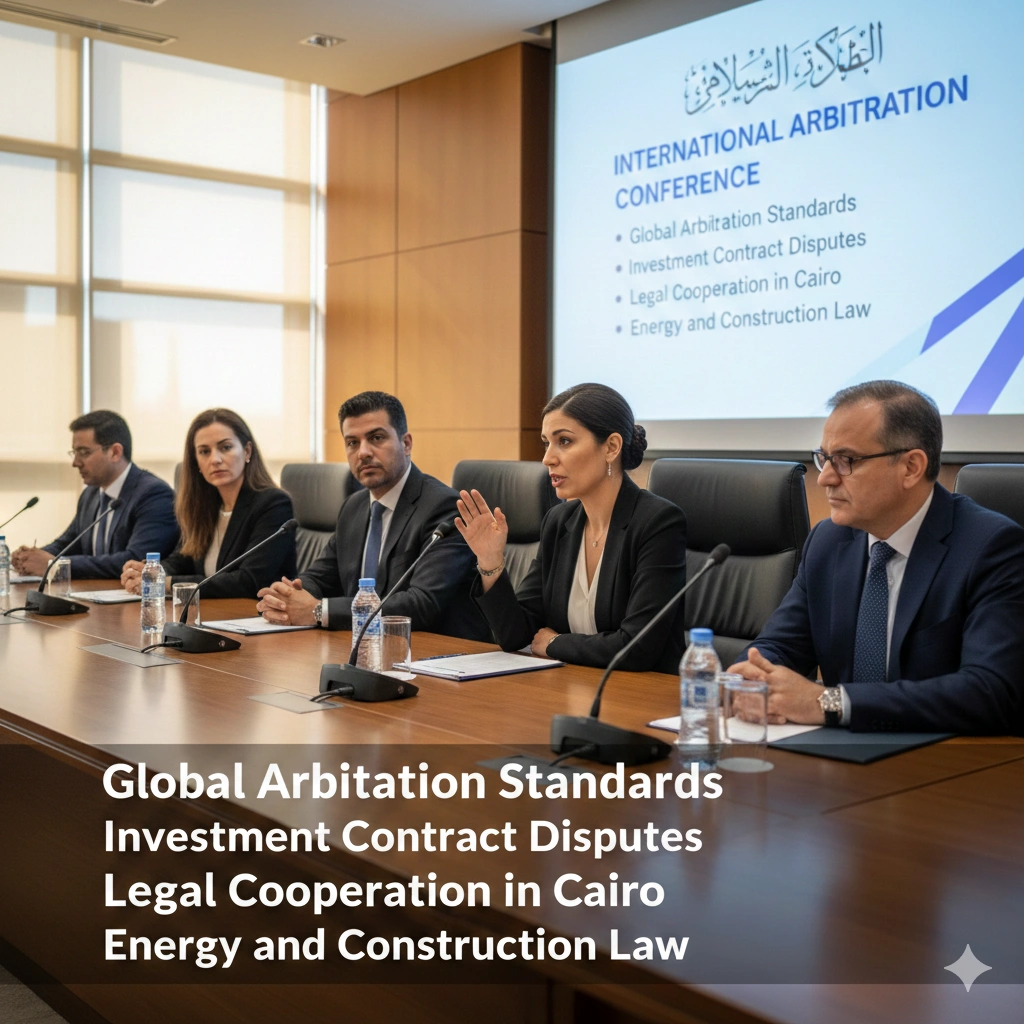
Bahrain Chamber for Dispute Resolution CEO
The Bahrain Chamber for Dispute Resolution CEO led the second panel of the conference, focusing on the specific challenges of large-scale infrastructure projects. As the Bahrain Chamber for Dispute Resolution CEO, Abdulrahman has overseen the implementation of advanced arbitration rules that align with international standards like UNCITRAL. He explained that these rules are pivotal for ensuring that construction contracts remain enforceable and predictable across different national borders. The Bahrain Chamber for Dispute Resolution CEO noted that when a project faces delays, a swift and specialized arbitration process can save companies millions of dollars in litigation costs.
Industry experts at the Cairo summit were particularly interested in how the Bahrain Chamber for Dispute Resolution CEO handles energy sector disputes. Given the technical nature of oil and gas contracts, the Bahrain Chamber for Dispute Resolution CEO emphasized the importance of appointing arbitrators with specific industry knowledge. This ensures that the final rulings are not only legally sound but also technically feasible within the context of the global energy market. The Bahrain Chamber for Dispute Resolution CEO’s focus on sector-specific expertise has made the BCDR a preferred venue for energy companies operating in the Persian Gulf.
The Bahrain Chamber for Dispute Resolution CEO also discussed the importance of transparency in the appointment of tribunal members. By maintaining a rigorous and diverse roster of experts, the Bahrain Chamber for Dispute Resolution CEO ensures that every party involved in a dispute feels their case is being heard by impartial professionals. This commitment to fairness is a cornerstone of the BCDR’s philosophy under the current leadership of the Bahrain Chamber for Dispute Resolution CEO. Abdulrahman’s participation in the Cairo conference served to reinforce this message to an audience of international stakeholders and policymakers.
Arbitration in Investment Contracts
The Bahrain Chamber for Dispute Resolution has emerged as a leading example of how specialized bodies can transform the legal landscape. During his featured presentation, Ahmed Husain Abdulrahman explained the operational excellence and unique jurisdictional authority that his organization wields. This model provides a blueprint for other nations looking to enhance their domestic arbitration capabilities while maintaining international relevance.
One of the key takeaways from the Bahraini presentation was the emphasis on sector-specific expertise within the arbitration panel. For instance, disputes involving oil and gas require a level of technical knowledge that general courts may lack. By utilizing specialized arbitrators, the chamber ensures that decisions are both legally sound and commercially viable for all stakeholders involved.
The role of the Bahrain Chamber for Dispute Resolution extends beyond mere adjudication; it acts as a catalyst for institutional trust. When investors see a history of fair and timely resolutions, their confidence in the local market grows exponentially. This trust is the invisible currency that drives the success of major infrastructure and energy investments across the Kingdom.
As the legal world watches these developments, the Bahraini model of Arbitration in Investment Contracts continues to gain traction. The chamber’s ability to balance local sensitivities with international expectations sets a high bar for excellence. This approach not only solves current problems but also prevents future conflicts through better-structured initial contracts.
Regional Cooperation in International Construction
The second panel of the conference focused heavily on the intricacies of construction law and the risks associated with large-scale projects. Attendees discussed how variations in local regulations can lead to significant delays if not properly addressed in the master contract. The consensus was that standardized templates for international construction could mitigate many of these common pitfalls.
Panelists emphasized that the human element of negotiation remains just as important as the written word in legal documents. Building professional bridges between Egyptian and Bahraini legal authorities was a major goal of the delegation during these sessions. These relationships allow for smoother communication when cross-border disputes inevitably arise during long-term infrastructure developments.
The participation of the Arab Lawyers Union added another layer of depth to the conversation regarding regional legal unity. By advocating for a unified approach to Arbitration in Investment Contracts, the union hopes to create a more competitive economic bloc. This vision of a synchronized legal front is vital for competing with other global markets for limited investment capital.
Moreover, the sessions addressed the specific challenges of force majeure clauses in the post-pandemic era. Legal experts provided guidance on how to draft these clauses to protect against unforeseen global disruptions without being overly restrictive. Such nuances are what define the current state of high-level arbitration in the construction sector today.
Legal Frameworks for the Energy Sector
The oil and gas industry represents a significant portion of the region’s GDP, making its legal security a top priority for policymakers. During the conference, speakers analyzed the specific legal frameworks that govern exploration, production, and distribution agreements. These contracts are often multi-generational, requiring a foresight that spans several decades of potential geopolitical shifts.
Arbitration in Investment Contracts within the energy sector must account for price volatility and changing environmental regulations. The experts noted that modern energy contracts are increasingly including “green clauses” to address the global shift toward sustainability. These additions require a new breed of legal professionals who are well-versed in both traditional contract law and emerging environmental standards.
The discussions also touched upon the sovereignty of states versus the rights of international energy conglomerates. Finding a middle ground that respects national resources while providing security for foreign capital is the ultimate goal of these legal instruments. The Bahraini delegation shared their experiences in managing these delicate balances within their own jurisdiction.
Furthermore, the conference highlighted the importance of transparency in the energy sector’s dispute resolution processes. When the rules of engagement are clear, the likelihood of costly and public legal battles is significantly reduced. This clarity is essential for maintaining the flow of energy products to global markets without interruption.
Enhancing the Investment Climate Through Reform
A major conclusion of the event was the urgent need for continuous legislative reform to keep up with global business trends. The President of Cairo University noted that academic institutions play a vital role in training the next generation of lawyers to handle these complexities. By integrating practical arbitration scenarios into the curriculum, universities can better prepare students for the realities of Arbitration in Investment Contracts.
Reform efforts are not limited to the courtroom; they also involve the administrative processes that support the legal system. Streamlining the enforcement of foreign arbitral awards is a key area where many regional governments are focusing their efforts. If an award cannot be enforced, the entire arbitration process loses its value in the eyes of the international community.
The following factors were identified as essential for a thriving investment environment:
- Consistent application of the rule of law across all commercial sectors.
- The presence of independent and highly qualified arbitration centers.
- Clear pathways for the enforcement of international legal rulings.
- Regular dialogue between the judiciary and the business community.
The call for increased synergy between Arab arbitration centers was perhaps the most impactful message of the final day. By sharing resources and databases of expert arbitrators, these centers can provide a more robust service to their clients. This network effect strengthens the entire region’s position as a safe and reliable place to conduct business.
Building Professional Bridges and Strategic Ties
The Bahraini delegation’s efforts to strengthen ties with Egyptian legal authorities were met with great enthusiasm. These bilateral relationships are the foundation upon which a more integrated regional legal system can be built. By participating in these forums, Bahrain ensures that its voice is heard in the development of regional legal standards for Arbitration in Investment Contracts.
Networking sessions allowed for the exchange of specific case studies that illustrated the success of modern arbitration techniques. These real-world examples provided tangible proof that structured dispute resolution saves time and money. The experts agreed that the lessons learned in Cairo would be instrumental in shaping future policy decisions in both nations.
Strategic participation in regional platforms is a key part of Bahrain’s vision for the future of its legal services industry. By showcasing the expertise of the Bahrain Chamber for Dispute Resolution, the Kingdom attracts talent and investment from around the world. This outward-looking approach is essential for any nation that wishes to thrive in the modern global economy.
The Future of Specialized Arbitration Centers
Looking ahead, the role of specialized centers in resolving complex disputes will only grow in importance. These institutions provide a level of focus and efficiency that general courts simply cannot match in the realm of Arbitration in Investment Contracts. As projects become larger and more complex, the need for this specialized knowledge becomes even more critical for project success.
The Bahrain Chamber for Dispute Resolution is already preparing for this future by investing in the latest legal technologies. From AI-driven document review to advanced security for sensitive data, the chamber is at the cutting edge of legal innovation. These investments ensure that the Kingdom remains a preferred destination for international arbitration for years to come.
Furthermore, the expansion of the chamber’s jurisdiction to include new industries like fintech and renewable energy is on the horizon. As the economy diversifies, the legal systems that support it must also evolve to stay relevant. The proactive nature of the Bahraini legal leadership is a testament to their commitment to long-term economic stability.
The following priorities will guide the next phase of development for regional arbitration centers:
- Developing specialized tracks for emerging industries like green energy.
- Increasing the diversity of arbitrator pools to reflect global perspectives.
- Enhancing the speed of the resolution process through digital integration.
- Expanding outreach to small and medium enterprises involved in global trade.
Impact on Global Infrastructure and Energy Investments
The stability provided by effective Arbitration in Investment Contracts has a direct impact on the cost of capital for major projects. When the risk of legal uncertainty is low, lenders are more willing to provide favorable terms for large-scale developments. This financial benefit trickles down to the end-users of the infrastructure, making projects more sustainable and affordable.
In the energy sector, this legal certainty is what allows for the massive, long-term investments required for transition to cleaner sources. Investors need to know that their multi-decade commitments are protected by a fair and impartial legal system. The discussions in Cairo reinforced the idea that law is not just a reactive tool but a proactive driver of economic growth.
The conference also highlighted how effective arbitration can protect the social and environmental goals of a project. By including these factors in the dispute resolution process, centers can ensure that investments benefit the community as a whole. This holistic approach to Arbitration in Investment Contracts is becoming the new gold standard for responsible investment globally.
Strengthening Institutional Ties and Future Outlook
In conclusion, the Bahrain Chamber for Dispute Resolution CEO’s visit to Cairo has successfully highlighted the importance of specialized legal centers in the Middle East. By focusing on construction and energy contracts, the Bahrain Chamber for Dispute Resolution CEO has addressed the most pressing legal needs of the region’s economy. The collaboration between Bahrain and Egypt serves as a blueprint for how Arab nations can work together to create a more stable and prosperous future. The Bahrain Chamber for Dispute Resolution CEO continues to prove that his leadership is essential for the growth of the Kingdom’s legal sector.
The Bahraini official’s emphasis on cross-border cooperation resonated with attendees from across the Arab region and beyond. It is clear that the future of international trade depends on the strength of these institutional ties. The Bahrain Chamber for Dispute Resolution will continue to be a central player in these ongoing efforts to refine the regional business climate.
As legal practitioners return to their respective countries, they carry with them new tools and strategies to better serve their clients. The impact of this conference will be felt in the drafting of new contracts and the resolution of future disputes. The legacy of the 2026 Cairo summit will be one of progress, partnership, and a commitment to legal excellence.
For more details & sources visit: Bahrain News Agency
Read more about Behrain news on 360 News Orbit-Behrain.