
The Fajr Film Festival 2026 unfolded in Tehran under extraordinary political and social strain, exposing widening divisions within Iran’s cinema community. Held less than 40 days after mass killings during a government crackdown on protests, the 44th edition of the festival proceeded as scheduled — but with visible boycotts, low public turnout, and sharp criticism from leading artists.
Once regarded as Iran’s flagship cinematic showcase, the Fajr Film Festival 2026 has increasingly become a contested symbol of “normality” in a country still grappling with grief, anger, and unresolved trauma.
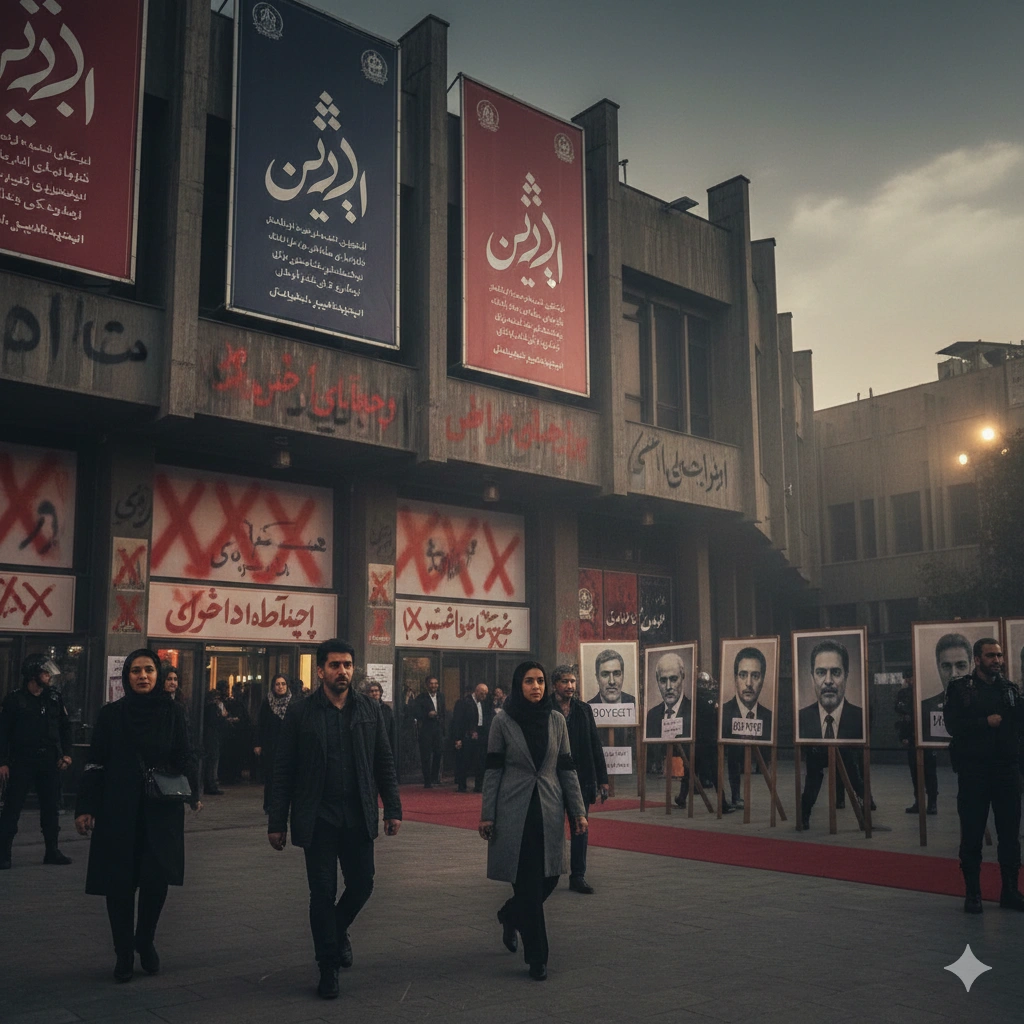
A Festival Under the Shadow of Violence
This year’s Fajr Film Festival 2026 took place amid reports that tens of thousands were killed during recent protest-related unrest. For many filmmakers, actors, and critics, the celebratory red-carpet atmosphere clashed starkly with the national mood of mourning.
Over recent years, the festival lineup has become increasingly dominated by productions funded or co-produced by state institutions, municipal bodies, and even judicial authorities. Independent directors argue this shift has narrowed the event’s artistic scope and aligned it more closely with official narratives.
As a result, the 2026 edition reflected not only artistic programming but also deeper political tensions shaping Iran’s cultural landscape.
High-Profile Boycotts and Industry Divisions
The divisions surrounding the Fajr Film Festival 2026 became visible through widespread absences. Several films screened without their directors or leading actors present. Press conferences were sparsely attended, and industry panels featured only participating filmmakers.
Acclaimed actor Elnaz Shakerdoost publicly withdrew from acting, stating she would not take part in any “celebration” in a land that “smells of blood.” Her remarks resonated widely within the artistic community and underscored the moral dilemma many faced.
Meanwhile, director Mohammad Hossein Mahdavian criticized boycotting actors, calling them “cowards,” further deepening rifts within the industry. The heated exchanges illustrated how the Fajr Film Festival 2026 has become a flashpoint for broader debates about artistic responsibility and political alignment.
Muted Coverage and Thin Audiences
Veteran film outlets and critics signaled discomfort with the event. Long-running magazine Film Emrooz reportedly scaled back or halted its coverage, reflecting skepticism about the festival’s representational legitimacy.
Screenings and ceremonies appeared markedly thinner than in previous years. Despite organizers’ efforts to project continuity and stability, attendance figures suggested public disengagement.
The Fajr Film Festival 2026, while officially intact, faced visible challenges in maintaining its traditional stature as a unifying national cultural event.
Closing Ceremony Highlights Political Tension
At the closing ceremony, several prize winners declined to collect their coveted Simorgh trophies — a symbolic gesture that captured the tense atmosphere. The presence of Massoud Pezeshkian, who praised attendees and participants, underscored the government’s continued investment in the festival as a marker of cultural continuity.
However, at least one honoree cautiously referenced the recent violence, briefly puncturing the carefully maintained narrative of normalcy. The moment reflected the delicate balance between official messaging and widespread public grief.
A Fragile Future for Iran’s Flagship Cinema Event
The Fajr Film Festival 2026 has brought into sharp focus the increasingly fragile equilibrium within Iran’s film sector. On one side stands a state-backed cultural framework seeking to project resilience and stability. On the other are independent artists questioning whether participation legitimizes a reality many find morally troubling.
The episode raises broader questions: Can the festival continue to claim representation of Iran’s diverse cinematic voices if significant portions of that community refuse to participate? And how long can cultural institutions maintain credibility amid unresolved social and political fractures?
As Iran’s film industry navigates these tensions, the Fajr Film Festival 2026 may be remembered less for its awards and premieres than for the profound divisions it revealed within the nation’s creative sphere.
For more details & sources visit: Iran International
Read more on Iran news: 360 News Orbit – Iran.