
Palestinian organ theft allegations have resurfaced following Israel’s public celebration of record-breaking kidney donations, prompting renewed calls for an independent international investigation. Human rights advocates and Palestinian officials argue that longstanding concerns about non-consensual organ removal from Palestinian bodies must be thoroughly examined, particularly as Israel highlights milestones in its transplant system.
The controversy intensified after Israeli nonprofit Matnat Chaim organized a large-scale ceremony recognizing more than 2,000 living kidney donations. While supporters praised the achievement as a humanitarian success, critics contend that unresolved historical allegations demand transparency and forensic scrutiny.
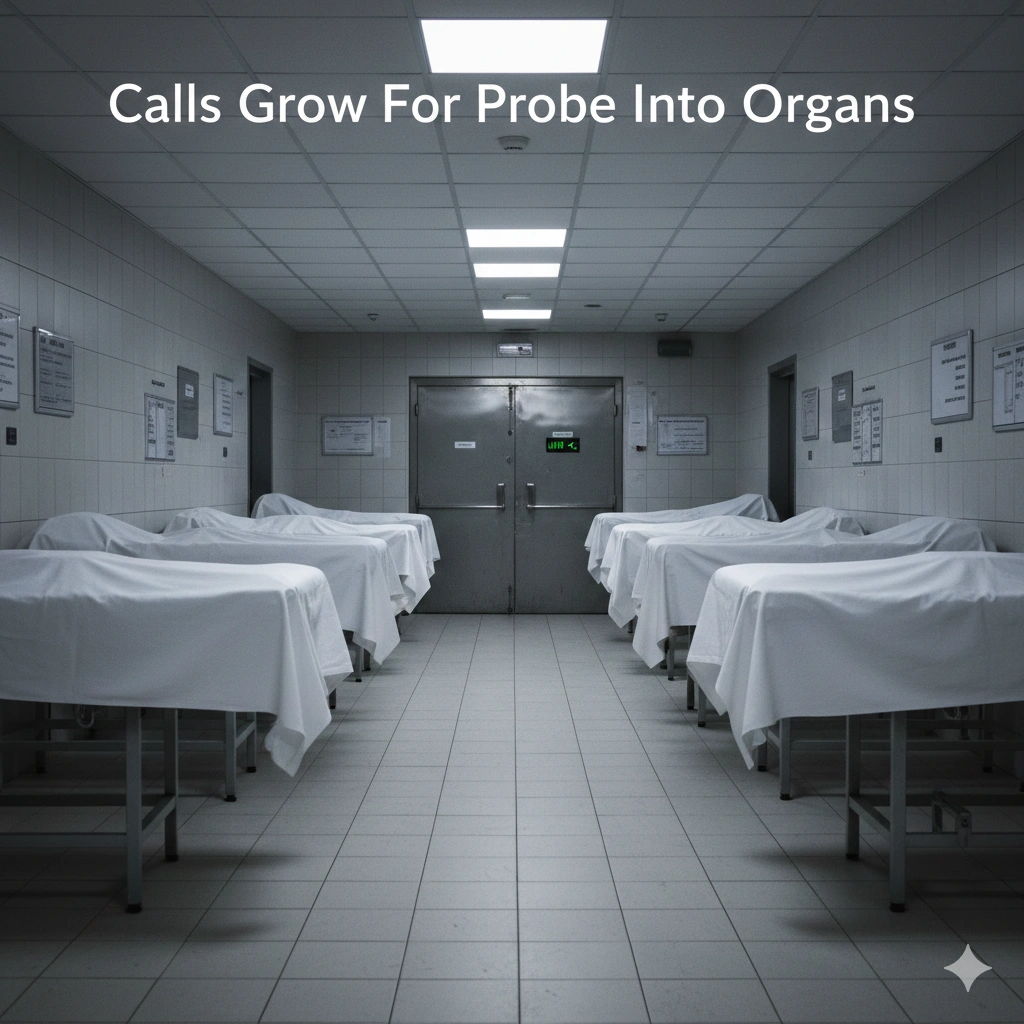
Palestinian Organ Theft Allegations Renewed After Donation Milestone
The Palestinian organ theft allegations center on claims that, over decades, bodies of Palestinians held in Israeli custody or returned from conflict zones showed signs of organ removal without family consent. Families have reported receiving remains with long autopsy incisions or missing organs, fueling suspicions that have circulated since the early 1990s.
Recent attention has focused on Israel’s celebration of its transplant achievements. The ceremony organized by Matnat Chaim sought recognition from Guinness World Records, which initially declined to certify the event before later reversing restrictions related to Israeli submissions.
Palestinian officials argue that the timing of the celebration has intensified scrutiny. They question whether adequate oversight mechanisms exist to ensure full consent and transparency in all cases involving Palestinian remains.
Calls for Independent International Investigation
Munir al-Bursh, director-general of the Palestinian Health Ministry in Gaza, has publicly urged an independent international inquiry into the allegations. He cited concerns about the continued withholding of Palestinian bodies by Israeli authorities and called for external forensic access to clarify unresolved claims.
Human rights organizations, including Euro-Med Human Rights Monitor, have reported cases in which bodies retrieved from Gaza hospitals were allegedly returned with missing corneas, cochleas, and internal organs. Among the facilities mentioned in these reports are Al-Shifa Hospital and Indonesian Hospital.
Medical professionals caution, however, that verifying such claims in wartime conditions is extremely complex. Prior surgeries, trauma injuries, and limited forensic access can complicate assessments. Independent forensic examinations would be required to substantiate or refute specific allegations.
Historical Context and the Abu Kabir Scandal
The Palestinian organ theft allegations are not new. In the late 1990s and early 2000s, Israel acknowledged that improper organ and tissue removal had occurred at the Abu Kabir Forensic Institute under former pathologist Yehuda Hiss.
Authorities later stated that the practice involved removal of tissues and organs from deceased individuals—including Israelis and Palestinians—without proper family consent. The case led to reforms and tightened regulations within Israel’s forensic and transplant systems.
Critics argue that this historical precedent underscores the need for transparent oversight today. Israeli officials maintain that procedures have since been strengthened and that organ donation programs operate under strict consent-based guidelines.
“Cemeteries of Numbers” and Withheld Bodies
Another dimension of the Palestinian organ theft allegations involves so-called “cemeteries of numbers,” burial sites where Palestinian bodies are reportedly held without identification or returned remains. Human rights advocates contend that withholding bodies prevents independent autopsies and fuels distrust.
Israeli authorities have historically stated that bodies may be withheld for security or negotiation-related reasons. However, Palestinian officials argue that the policy contributes to ongoing uncertainty and emotional distress for families.
Broader Ethical and Political Implications
The debate unfolds against a backdrop of heightened tensions in the region. Organ transplantation is widely recognized as a life-saving medical practice, and Israel’s kidney donation system has been praised internationally for encouraging living donors.
At the same time, unresolved allegations regarding consent and transparency raise complex ethical questions. Experts emphasize that any credible investigation would require independent forensic access, international observers, and clear documentation to ensure impartial findings.
Human rights groups argue that transparency benefits all parties by either confirming wrongdoing or dispelling unverified claims. Without such clarity, competing narratives risk deepening mistrust.
International Oversight and Next Steps
Calls for an independent inquiry into Palestinian organ theft allegations continue to gain attention among advocacy networks. Whether international bodies will initiate formal investigations remains uncertain.
As Israel promotes record transplant achievements and Palestinian officials demand accountability, the issue underscores the intersection of medicine, ethics, and geopolitics.
Ultimately, transparent oversight and credible evidence will be critical in addressing the Palestinian organ theft allegations and ensuring that organ donation systems operate with full consent, accountability, and international confidence.
For more details & sources visit: Al-Akhbar / Orinoco Tribune (with human rights and archival sources cited)
For the latest updates from Palestine, visit our Palestine news page.