
The Nigeria humanitarian appeal 2026 has been launched to provide urgent support to millions affected by conflict, displacement, and hunger in the northeastern states of Borno, Adamawa, and Yobe (BAY). Authorities and humanitarian partners are seeking $516 million to reach 2.5 million people with life-saving assistance, amid worsening food insecurity and a surge in severe acute malnutrition, particularly among women and children.
The appeal highlights the ongoing humanitarian crisis in the northeast, driven by 16 years of armed conflict, persistent displacement, economic disruption, and climate-related shocks. These factors have severely strained livelihoods and limited access to essential services, leaving large segments of the population highly vulnerable.
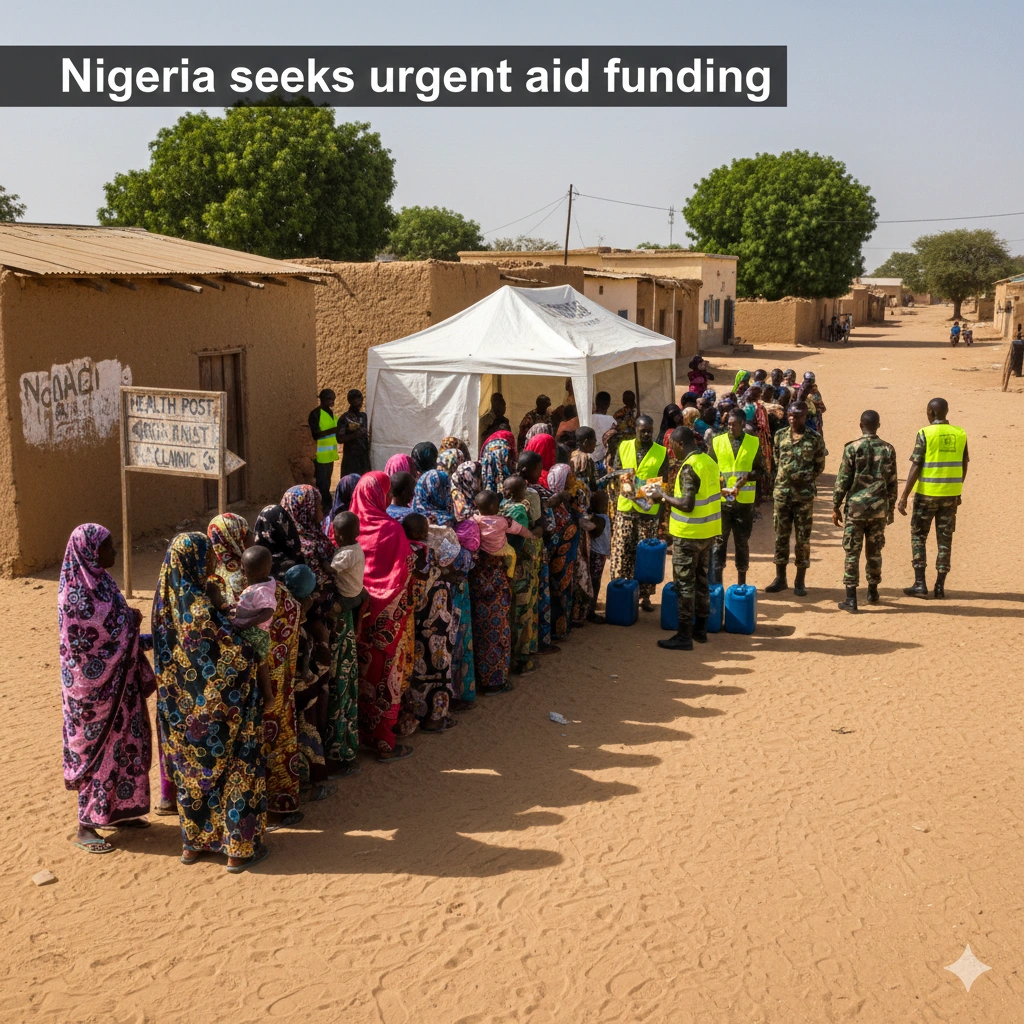
Scale of the Crisis
The Nigeria humanitarian appeal 2026 underscores that children under five are particularly at risk. Estimates indicate that around 3 million Nigerian children nationwide could face severe acute malnutrition in 2026, with 1 million of these children concentrated in the BAY states. Women and children constitute roughly 80% of those in urgent need, reflecting both demographic vulnerability and the long-term impact of displacement on families.
The appeal also warns that approximately 35 million people across Nigeria may experience acute food insecurity during the 2026 lean season, including 5.8 million in the BAY states. Without timely intervention, the situation risks escalating into widespread malnutrition, disease outbreaks, and additional displacement.
Funding Challenges and International Support
Officials note that global humanitarian funding has declined, placing further pressure on the response system. In 2025, funding for humanitarian operations fell sharply compared to previous years, resulting in reduced assistance for affected populations. This trend has prompted Nigerian authorities and aid agencies to shift toward nationally led coordination and resourcing, emphasizing local capacity and ownership.
The appeal stresses that sustained collaboration with international donors, NGOs, and community organizations is critical to bridging funding gaps and maintaining access to vulnerable populations. While national coordination is increasing, global support remains essential to scale up services and reach all those in need.
Security and Access Constraints
The Nigeria humanitarian appeal 2026 also highlights ongoing security challenges that impede humanitarian operations. Northeastern states, particularly Borno, continue to experience suicide bombings, improvised explosive devices, and armed attacks, which restrict aid delivery and endanger civilians. Humanitarian teams face difficulties accessing remote or high-risk areas, limiting the reach of nutrition, health, and food assistance programs.
Authorities caution that improving security conditions will be crucial to ensure effective aid distribution and protection for vulnerable populations. Without safe access corridors, the appeal’s objectives risk being undermined, leaving millions without critical support.
Response Priorities
The appeal focuses on several priority interventions to address the crisis:
- Nutrition support for children under five and pregnant or lactating women
- Food assistance for displaced populations and host communities
- Healthcare services including vaccination, disease prevention, and maternal care
- Water, sanitation, and hygiene (WASH) programs to reduce waterborne disease risk
- Protection services for vulnerable groups, especially women, children, and the displaced
By targeting these priorities, the Nigeria humanitarian appeal 2026 aims to reduce immediate suffering, prevent long-term malnutrition, and stabilize communities affected by conflict and food insecurity.
Urgent Call for Action
The launch of the Nigeria humanitarian appeal 2026 represents an urgent plea for both national and international actors to step up assistance. Authorities stress that without immediate funding and enhanced operational access, the crisis in the BAY states is likely to deteriorate further, exacerbating malnutrition, displacement, and vulnerability.
With an estimated 2.5 million people in immediate need, timely intervention is critical to prevent the humanitarian situation from spiraling into a larger catastrophe. The appeal underscores the importance of coordinated action, resource mobilization, and security support to save lives in Nigeria’s northeast.
Conclusion
The Nigeria humanitarian appeal 2026 highlights the severity of the humanitarian crisis in Borno, Adamawa, and Yobe. With rising malnutrition, displaced populations, and shrinking international funding, authorities are calling for urgent contributions to reach vulnerable populations. Effective intervention could save millions of lives and support recovery amid prolonged conflict and economic hardship.
Source: ReliefWeb
For more news, visit 360 News Orbit