
January 24, 2026
Iran aghazadeh backlash on Instagram has resurfaced sharply as Iran protests intensify over soaring living costs, reigniting public anger toward elite-linked families accused of flaunting wealth while much of the country faces economic hardship. Reports indicate that the renewed scrutiny has coincided with a nationwide internet blackout, further amplifying resentment and limiting visibility into events on the ground.
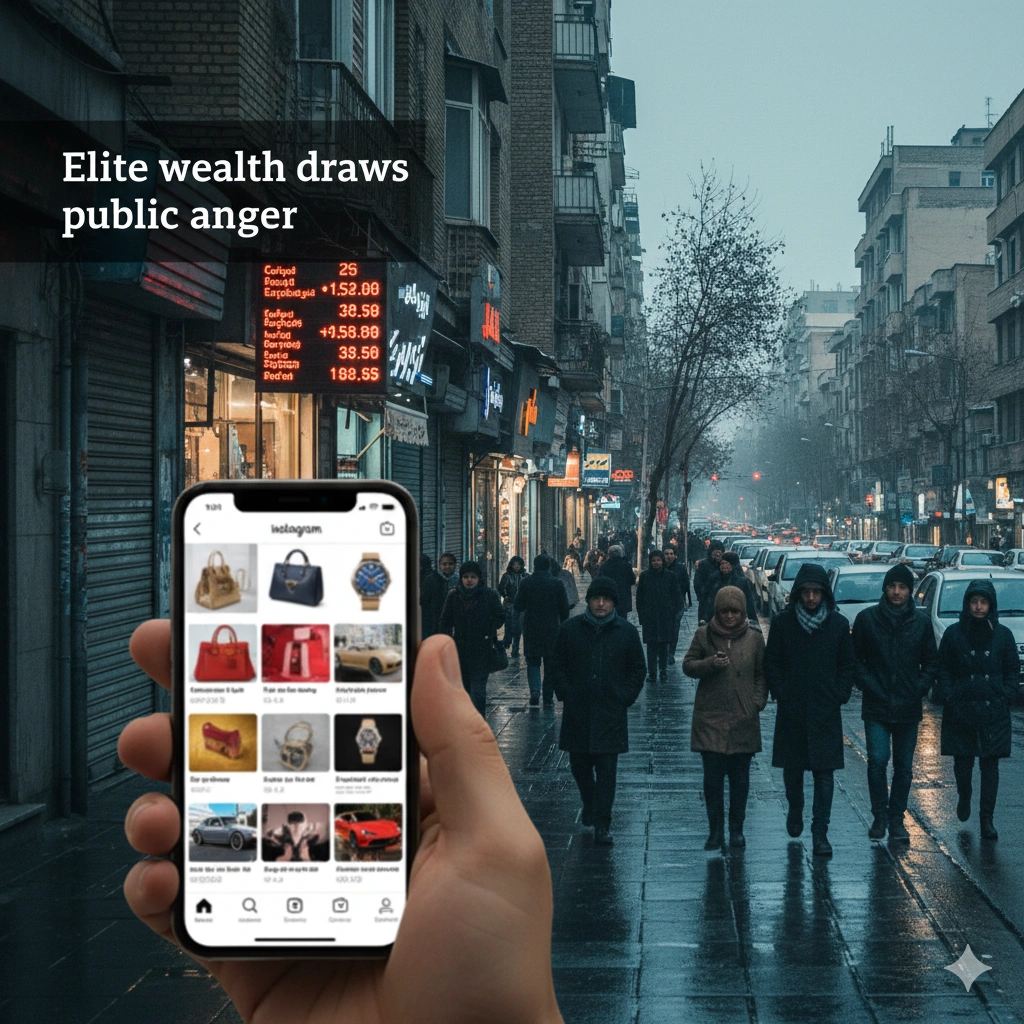
A report by The Mirror says that sons and daughters of influential Iranian figures—commonly referred to as “aghazadeh”—have continued sharing images of luxury travel, designer fashion, and celebrity-adjacent lifestyles on Instagram. These displays have drawn widespread criticism at a time when protests driven by inflation and declining purchasing power have expanded into broader anti-government demonstrations.
Who Are Iran’s Aghazadeh and Why They Draw Anger
The term aghazadeh is widely used in Iran to describe the children of powerful political, clerical, or economic elites who are perceived to benefit from nepotism and privileged access. Over the years, social media has made their lifestyles more visible, often triggering public backlash during periods of economic stress.
According to the report, recent Instagram posts showing luxury cars, overseas holidays, and high-end brands have once again gone viral, reinforcing perceptions of deep inequality. Critics argue that such displays symbolize a system where wealth and opportunity remain concentrated among the well-connected, even as ordinary households struggle with rising prices.
Iran Protests and Rising Cost-of-Living Pressures
The renewed anger toward Iran’s elite coincides with a fresh wave of Iran protests that reportedly began in late December. The demonstrations were initially triggered by surging living costs, including food and household essentials, before broadening into wider expressions of political discontent.
The Mirror notes that authorities have described the unrest as “riots,” while activists and external observers allege severe repression, including mass arrests and aggressive security measures. As protests spread, economic grievances and social inequality became central themes, intensifying scrutiny of elite lifestyles.
Internet Blackout Deepens Public Frustration
The Iran aghazadeh backlash on Instagram has also unfolded against the backdrop of significant digital restrictions. Reuters and press-freedom organizations report major connectivity disruptions during the unrest, citing NetBlocks, which documented a digital blackout affecting Tehran and other regions on January 8.
The Committee to Protect Journalists has described the situation as a near-total shutdown, severely restricting reporting, communication, and access to independent information. While much of the population faced limited or no internet access, continued visibility of elite Instagram posts—often shared via foreign platforms or VPNs—fueled perceptions of unequal treatment.
Symbol of Inequality During Crisis
Together, the protests, internet blackout, and social media displays have sharpened contrasts between daily hardship and elite privilege. Critics argue that the continued online presence of aghazadeh during a national crisis underscores broader frustrations over economic mismanagement, corruption, and accountability.
For many Iranians, the issue goes beyond individual posts. Analysts say the backlash reflects deeper structural tensions—where visibility of wealth during times of repression and inflation becomes a powerful symbol of disconnect between rulers and the public.
Why the Issue Resonates Now
The convergence of three factors has amplified the backlash:
- Intensifying Iran protests driven by economic distress
- Internet blackouts limiting communication for ordinary citizens
- Highly visible elite lifestyles continuing online
Analysts note that social media has become a powerful amplifier during periods of unrest in Iran, allowing images and narratives to travel quickly even amid censorship. When elite-linked figures continue to post visibly privileged lifestyles while large segments of the population face inflation, arrests, and restricted connectivity, public anger can intensify rapidly. This dynamic has repeatedly turned Instagram into a focal point for broader debates about inequality and accountability.
Source: The Mirror; Reuters; NetBlocks; Committee to Protect Journalists
For more news, visit 360 News orbit