
The Malaysia Weightlifting Federation has been suspended by the International Weightlifting Federation (IWF) for one year following multiple doping violations. This suspension bars Malaysian athletes from participating in the Tokyo Olympics 2020, which were rescheduled to July 2021, despite the postponement caused by the COVID-19 pandemic.
National officials have pledged to maintain elite and backup training programs while enforcing strict anti-doping rules to mitigate the impact of the ban and restore the sport’s reputation in Malaysia.
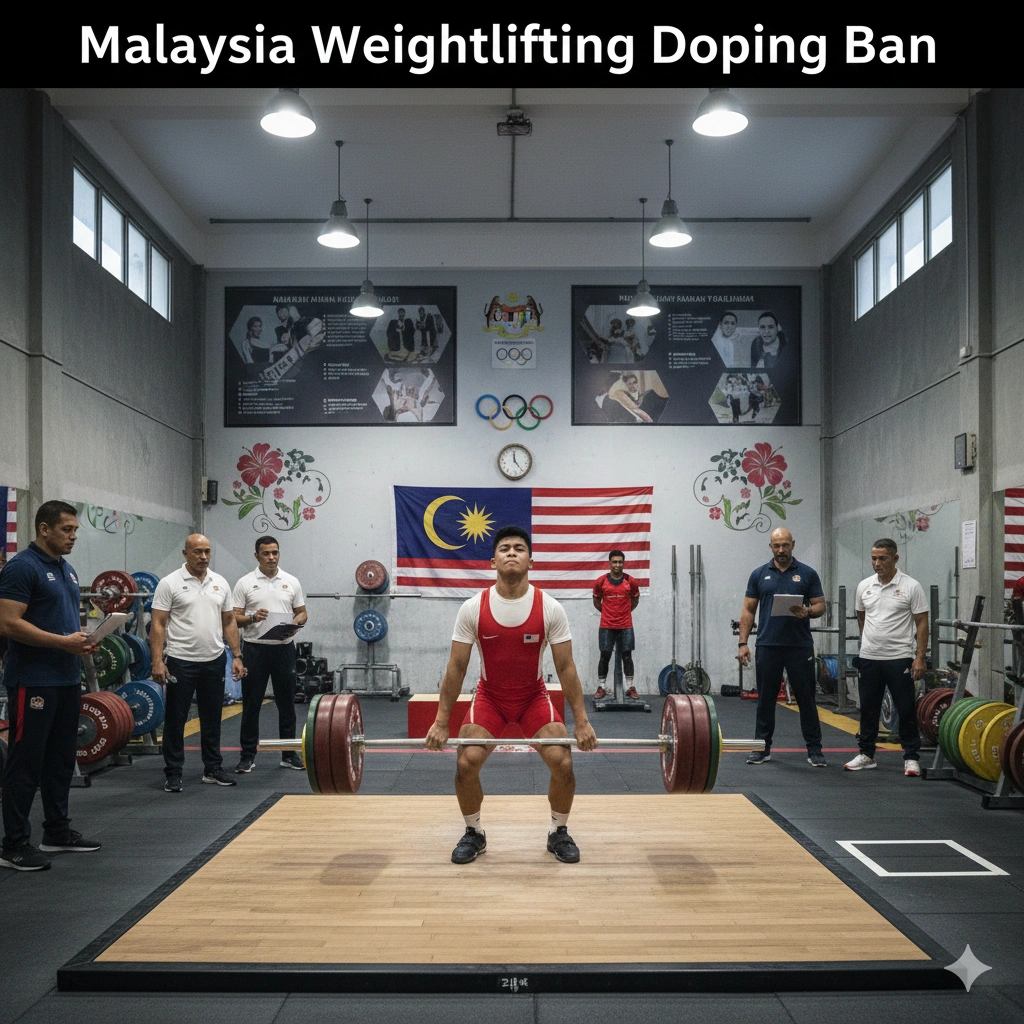
Doping Violations Trigger Federation Suspension
Three Malaysian weightlifters tested positive for banned substances within a single year. These violations prompted the IWF to issue a one-year membership suspension of the Malaysian Weightlifting Federation effective April 2020, plus a five-month ban on national athletes from all IWF events following the next sanctioned competition.
This series of infractions excludes Malaysia from competing in weightlifting at the Tokyo Olympics 2020. The IWF has indicated that an early lift of the federation ban is possible by October 2020 if the Malaysian federation demonstrates effective anti-doping reforms and compliance measures.
National Response and Anti-Doping Measures
Datuk Ahmad Shapawi Ismail, National Sports Council director, confirmed that elite and backup training programs are ongoing in collaboration with the federation. Officials have emphasized strict adherence to anti-doping protocols, ensuring that athletes maintain clean sport practices despite the suspension.
Meanwhile, Youth and Sports Minister Syed Saddiq Syed Abdul Rahman reinstated weightlifting for the postponed Johor Malaysia Games, despite previous exclusions tied to doping scandals. These measures reflect a commitment to education and compliance as pillars to rebuild Malaysia’s eligibility on the international stage.
Rebuilding Trust After the Malaysia Weightlifting IWF Ban
The Malaysia weightlifting IWF ban highlights the ongoing challenges facing the sport’s image in the country. Officials stress that education, transparent testing, and consistent enforcement of anti-doping rules are essential to restore credibility and prevent further violations.
By focusing on athlete awareness programs, proper monitoring, and compliance initiatives, Malaysia aims to rebuild trust with international governing bodies while preparing athletes for future competitions beyond the Tokyo Olympics.
Athlete Support Programs During the Ban
The Malaysia weightlifting IWF ban has prompted national sports authorities to strengthen athlete support programs. Coaches and sports scientists are now focusing on nutrition, mental preparation, and injury prevention to maintain performance standards despite restricted competition access.
Specialized workshops on anti-doping education have also been introduced, helping athletes understand prohibited substances, testing procedures, and ethical responsibilities. This ensures that future violations are minimized while building a culture of clean sport.
International Collaboration to Restore Eligibility
In response to the Malaysia weightlifting IWF ban, Malaysian officials are actively engaging with international weightlifting bodies to restore credibility. Regular consultations, compliance audits, and knowledge-sharing sessions aim to align local programs with global anti-doping standards.
These collaborations are designed to demonstrate transparency and commitment to fair play. By adhering to international guidelines, Malaysia seeks to shorten the ban duration, regain eligibility for major competitions, and rebuild trust in its national weightlifting program.
Looking Ahead: Reform and Olympic Eligibility
Despite the ban, Malaysian weightlifting officials remain optimistic about the sport’s future. The IWF has left room for the federation to lift the suspension early, contingent on implementing anti-doping reforms successfully by October 2020.
Long-term, these efforts are designed to safeguard athletes, uphold international standards, and ensure Malaysia can return stronger to future global competitions, signaling a renewed commitment to clean sport and Olympic eligibility.
For more details & sources visit: Xinhua