
Sudanese refugees in Ethiopia are facing mounting hardships as legal restrictions, rising costs, and deteriorating security conditions compound an already severe humanitarian crisis. While Ethiopia has long been one of Africa’s largest refugee-hosting countries, refugees fleeing Sudan’s ongoing conflict say that safety and stability are increasingly giving way to poverty, hunger, and fear of detention.
Recent accounts from refugees and humanitarian organizations describe a growing squeeze on Sudanese nationals living both inside and outside designated refugee camps. At the center of the crisis are steep visa fees, hard-currency payment requirements, and shrinking aid support, which together are pushing vulnerable families closer to desperation.
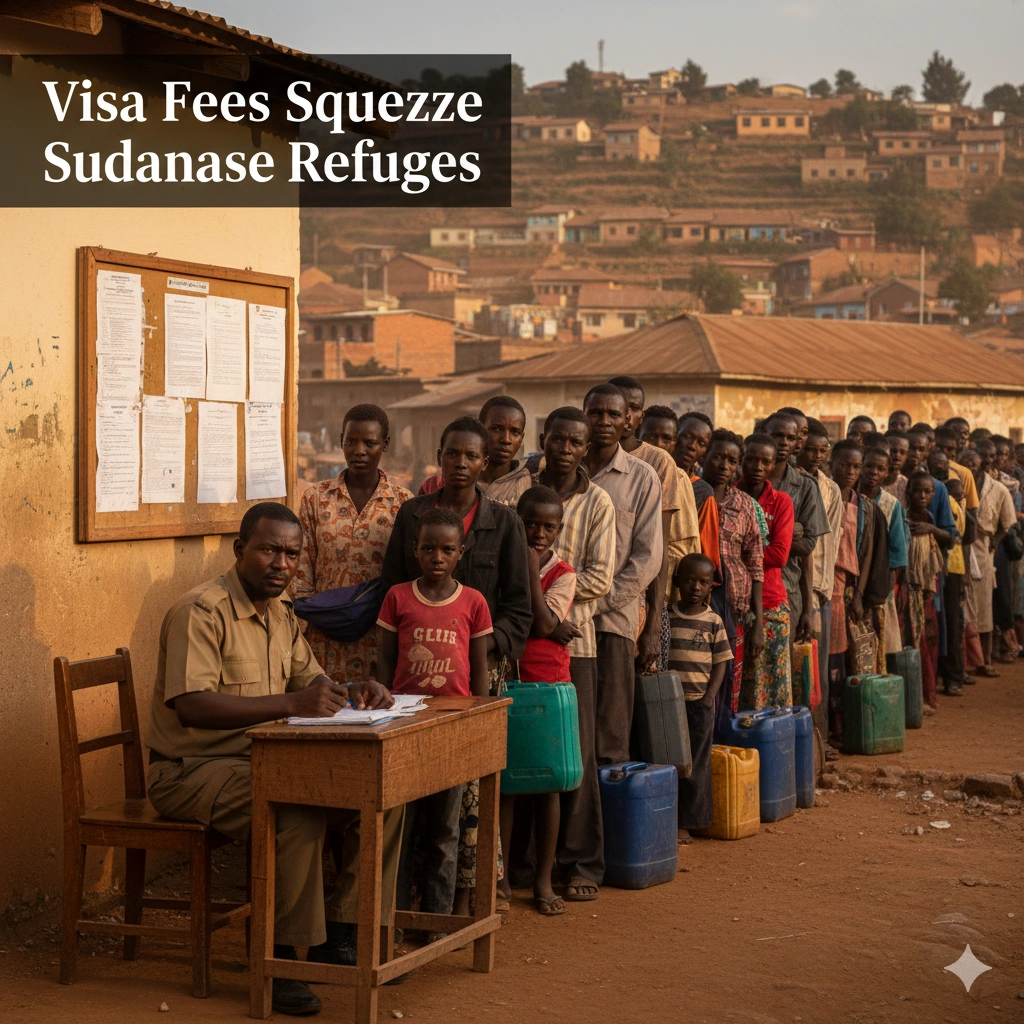
Visa Fees and Currency Rules Deepen Poverty
One of the most pressing challenges confronting Sudanese refugees in Ethiopia is the cost of maintaining legal residency. Refugees living outside formal camps report being required to renew visas monthly, often at significant expense. These fees are further compounded by late-payment penalties, making compliance increasingly unaffordable.
Refugees say the situation is worsened by a requirement that visa fees be paid in hard currency, such as U.S. dollars. For people who fled Sudan with little more than what they could carry, access to foreign currency is virtually impossible.
Several refugees reported being detained multiple times for failing to renew visas they could not afford. Others described living in constant fear of arrest, avoiding public spaces, or limiting movement to reduce the risk of being stopped by authorities.
Legal Pressure Outside Refugee Camps
While refugees inside camps generally receive legal protection and basic services, many Sudanese refugees in Ethiopia live outside these designated areas in urban or semi-urban settings. Humanitarian groups note that these refugees face stricter enforcement of immigration rules but receive far less assistance.
Living outside camps often means better access to informal work opportunities, but it also exposes refugees to legal vulnerabilities. Without consistent income, even modest visa fees become insurmountable, forcing families to choose between legal status and basic survival needs such as food and shelter.
Aid workers warn that the legal pressure on refugees outside camps is creating a hidden population of undocumented people, increasing exploitation and abuse risks.
Aid Shortfalls Threaten Essential Services
Ethiopia hosts hundreds of thousands of refugees from multiple countries and has historically played a critical role in regional humanitarian response. However, aid organizations now warn that essential refugee services could be suspended due to severe funding shortages.
Programs providing food assistance, healthcare, education, and protection services are at risk of scaling back or shutting down altogether. This reduction in support is hitting Sudanese refugees in Ethiopia particularly hard, as many arrived recently and lack established coping mechanisms.
Humanitarian agencies stress that without urgent funding, conditions could deteriorate rapidly, leading to malnutrition, untreated illnesses, and increased displacement.
Security Concerns Add to Refugee Vulnerability
Beyond financial and legal challenges, security conditions have also worsened in parts of Ethiopia, particularly in northern regions. Sudanese refugees have reported violent attacks, harassment, and forced displacement, sometimes after being intercepted while traveling.
In several cases, refugee groups said they were forced to flee into forested or remote areas to escape violence, sheltering without food, water, or medical care. These incidents underscore the fragile protection environment and the risks faced by refugees even after crossing international borders.
The combination of insecurity and legal pressure has led to increased secondary movements, with some refugees attempting to relocate again despite the dangers involved.
Humanitarian Crisis Fuels Desperate Choices
These overlapping pressures—visa fees, detention risks, aid cuts, and insecurity—are driving increasingly desperate decisions among Sudanese refugees in Ethiopia. Some are moving frequently to avoid detection, while others consider dangerous onward journeys in search of safety or livelihood opportunities.
Humanitarian observers warn that such movements increase exposure to trafficking, exploitation, and abuse. Women and children are particularly vulnerable, especially when families are separated during displacement or detention.
Ethiopia Under Growing Strain
Ethiopia’s government faces significant challenges of its own, including economic pressures, internal security issues, and the burden of hosting one of Africa’s largest refugee populations. Officials have emphasized the need to regulate migration and manage limited resources.
However, rights groups argue that current policies risk undermining refugee protection obligations and exacerbating humanitarian suffering. They are calling for more flexible visa arrangements, reduced fees, and exemptions for refugees unable to access hard currency.
Calls for Urgent International Support
Aid agencies and refugee advocates stress that Ethiopia cannot shoulder the crisis alone. They urge the international community to increase funding, support host communities, and work with Ethiopian authorities to ensure refugees are not criminalized for poverty.
Without coordinated action, the situation facing Sudanese refugees in Ethiopia is likely to deteriorate further, eroding the fragile sense of safety that initially drew people across the border.
A Search for Safety Continues
For many Sudanese families, crossing into Ethiopia was meant to provide refuge from war. Instead, they now face a complex web of legal, financial, and humanitarian obstacles that threaten their basic survival.
As conflict in Sudan shows no sign of ending, the plight of Sudanese refugees in Ethiopia highlights the urgent need for sustainable protection solutions—before hardship turns into another wave of displacement.
For more news, visit 360 News Orbit