
Pakistani TikTok star Alina Amir has publicly denied the circulation of obscene videos allegedly featuring her, calling them AI-generated deepfakes created to damage her reputation. The controversy erupted after more than 100 fake versions of the videos surfaced online, sparking widespread concern among social media users and fans. Amir emphasized the importance of verifying content before sharing and highlighted the real-life harm such material can cause to women in the public eye.
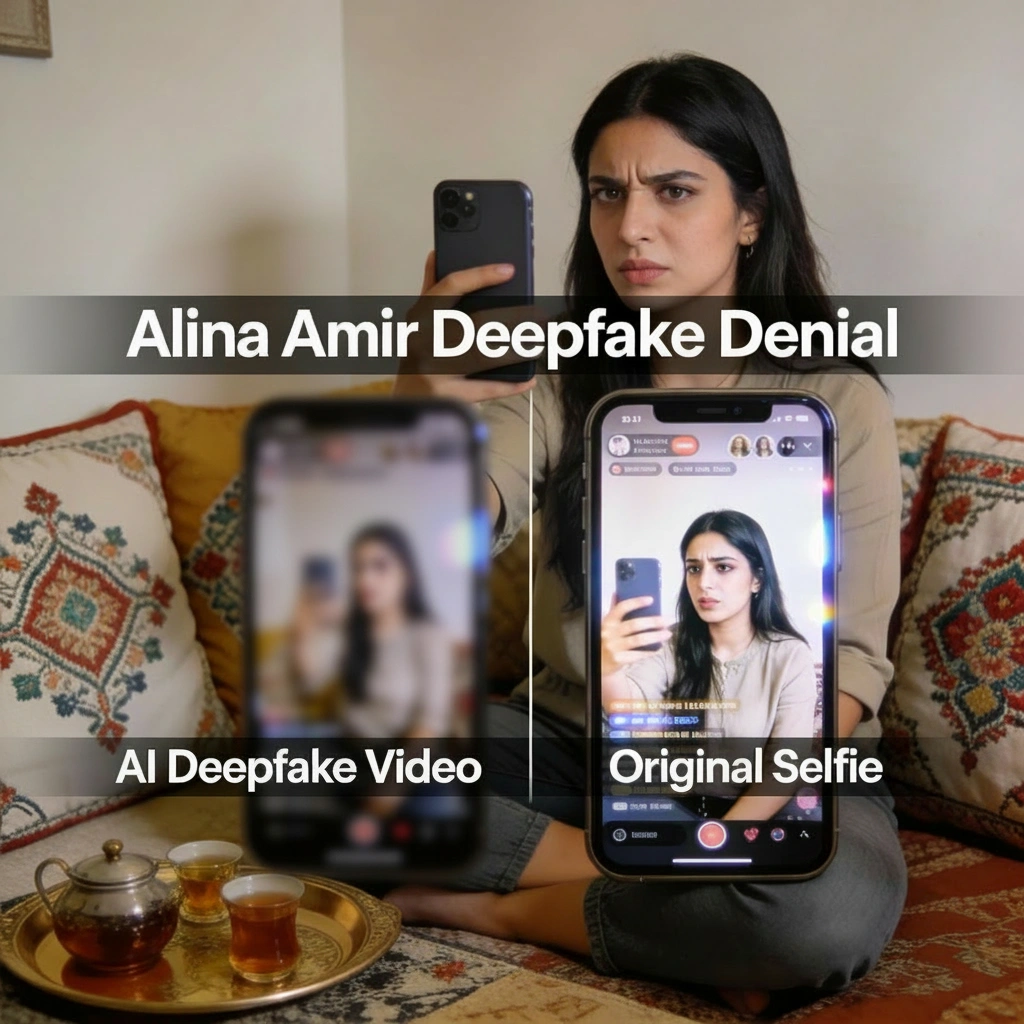
TikTok Star’s Emotional Response to Digital Harassment
In an emotional statement shared via Instagram, Alina Amir addressed the growing online harassment, referring to it as “digital violence” that threatens both her personal and professional life. She admitted that she had initially remained silent but chose to speak out as false content continued to spread rapidly.
“Reputation takes years to build and seconds to ruin,” Amir stated, underscoring the disproportionate scrutiny faced by female content creators online. The TikTok star expressed frustration over the rapid circulation of unverified material, emphasizing that anyone could become a target of similar digital attacks.
Appeal to Authorities and Cyber Crime Efforts
Amir took the step of appealing to law enforcement authorities to investigate and take action against the individuals responsible for producing and circulating the deepfake videos. She praised the Punjab Cyber Crime department for their efforts to combat online harassment but warned that more comprehensive measures are necessary to protect influencers and social media personalities from digital abuse.
By calling for accountability, Amir aims to set a precedent for stronger protections against AI-generated deepfake content, which has increasingly become a tool for harassment in Pakistan and around the world.
Fan Support and the Importance of Verification
The controversy also highlighted the role of social media users in spreading unverified content. Fans of Alina Amir responded by rallying behind her, issuing apologies for sharing the fake clips without verification. The TikTok star urged her audience to think critically before sharing content, reminding them that viral material can have real consequences for the person portrayed.
“Such videos affect a real person’s life,” she stressed, pointing to the emotional and professional impact that false content can inflict. Her message serves as a cautionary tale for both creators and consumers of online media about the dangers of misinformation and digital exploitation.
Broader Implications for Female Influencers
Alina Amir’s experience reflects a growing trend where female influencers are disproportionately targeted by deepfake and digitally manipulated content. Experts in social media and cyber security have noted that the rise of AI technology has made it easier to create realistic-looking videos, which can be weaponized against public figures for harassment or defamation.
This incident has reignited discussions about responsible social media use, ethical AI deployment, and the need for legal frameworks to address digital abuse. As more creators gain prominence online, the pressure to safeguard their reputation and mental health becomes increasingly urgent.
How to Protect Against Deepfake Harassment
The Alina Amir case underscores several practical steps for social media users and influencers:
- Verify content before sharing to avoid spreading false information.
- Report suspicious or harassing material to platform authorities.
- Engage with official channels for legal support when targeted by deepfake or manipulated media.
- Support creators and discourage the circulation of content that could harm someone’s reputation.
Conclusion
Pakistani TikTok star Alina Amir continues to take a stand against online harassment and deepfake abuse, urging both fans and authorities to act responsibly. Her proactive approach in addressing false videos emphasizes the broader societal need to combat digital violence against women, especially those in public-facing roles. The case also highlights the ethical challenges posed by AI technology in social media and the growing importance of digital literacy for all users.
For more details & sources visit: Gulf News
For the latest updates from Pakistan, visit our Pakistan news page.