
The Turkey media fines crackdown intensified on January 23, 2026, as the country’s broadcast regulator, RTÜK, penalized streaming platforms HBO Max and MUBI for content deemed “immoral” and targeted opposition-aligned television channels. The move is part of a wider push to regulate content according to national values, prompting debates on censorship, freedom of expression, and youth protection.
HBO Max received a 5% advertising revenue penalty and had episodes of its series Jasmine banned. The series, depicting a dying woman’s descent into sex work facilitated by her stepbrother clients, was criticized for “eroding family values” and exploiting sensitive themes. Despite prior warnings to remove the show, HBO Max continued streaming select episodes, triggering the regulator’s fines.
MUBI faced identical penalties over the screening of Passages, which was condemned as “obscene” and violating Turkey’s moral and cultural standards. Both platforms were instructed to restrict youth access and comply with content monitoring guidelines immediately.
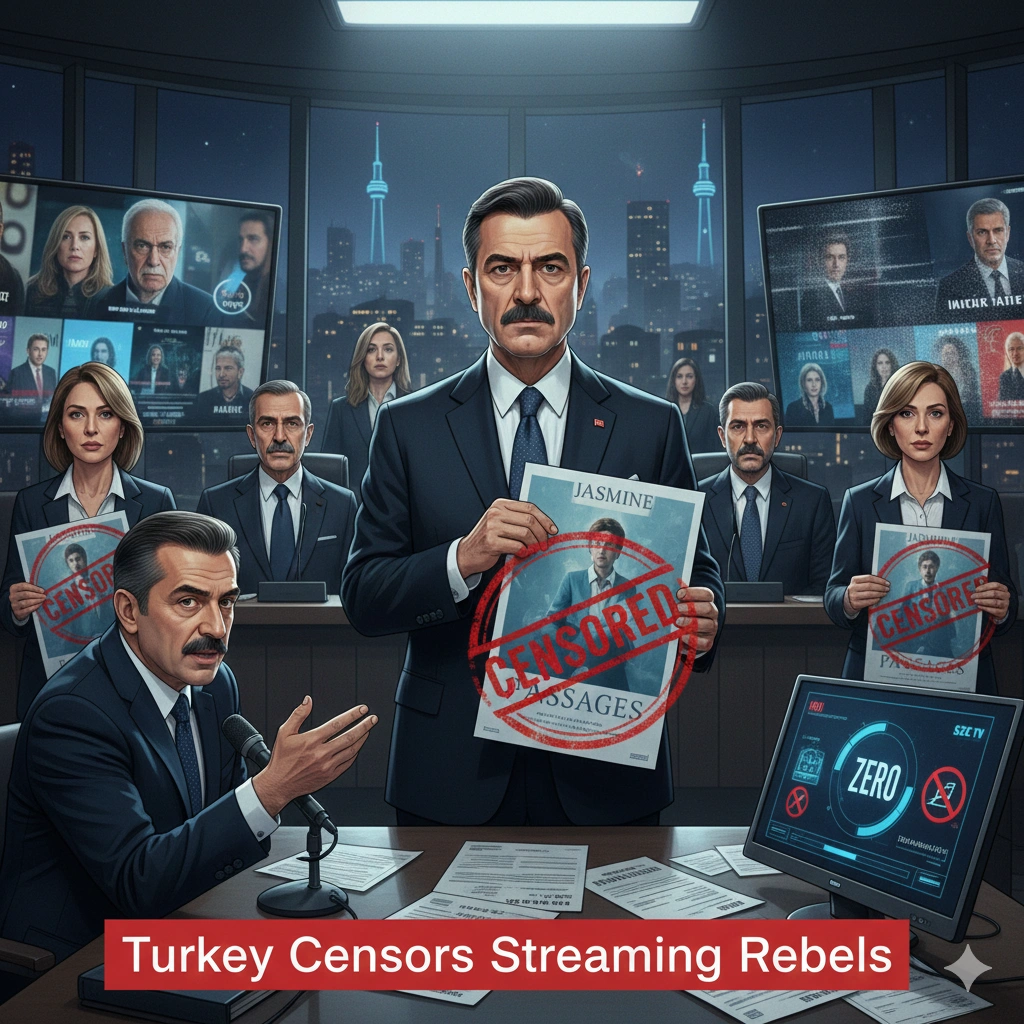
Crackdown Extends to Opposition Television
The government’s oversight also reached SZC TV, which was fined 1% of its revenue for a pundit’s critical commentary on ministers. The segment, which included jokes about “zero” ratings and telling officials to “sit down,” was deemed excessive criticism and a threat to public morality. Opposition politicians, including CHP representative Tuncay Keser, slammed the action as anti-democratic, arguing it stifled public debate and infringed on media freedom.
RTÜK defended its actions, asserting a commitment to protecting youth and upholding societal morals. The regulator emphasized that it would continue to monitor both traditional and digital media for content that could harm social cohesion or family values. Critics, however, warn that such measures risk creating a chilling effect on creativity, journalism, and political discourse.
Broader Implications for Streaming Services
The Turkey media fines highlight growing scrutiny over streaming content in the country. Analysts note that platforms operating in Turkey must now comply with strict guidelines regarding sexual content, violence, and political commentary. Failure to adhere could result in revenue penalties, content removal, or even temporary suspension of services.
HBO Max and MUBI now face challenges balancing creative freedom with compliance, especially as global series and films often explore themes considered sensitive under Turkish regulations. Industry insiders suggest that stricter regulations may reshape the local streaming market, encouraging self-censorship or shifting content to international platforms beyond Turkish jurisdiction.
Public and Political Reactions
The fines have sparked public debate. Pro-government voices argue that RTÜK’s actions are necessary to safeguard family morals and youth development, while opposition groups frame the fines as suppression of artistic expression and political commentary. Human rights advocates have highlighted that media fines of this nature may erode democratic norms and limit access to diverse viewpoints.
Despite the controversy, RTÜK indicated that enforcement will continue across streaming platforms, cable channels, and satellite networks. The regulator stressed that content scrutiny aligns with Turkey’s legal framework and social objectives, reinforcing its authority over both domestic and foreign media.
Looking Ahead
As Turkey continues to enforce media regulations, streaming platforms and television channels will need to carefully navigate content policies, balance creative expression, and anticipate penalties for violations. The Turkey media fines signal a sustained approach to control media narratives while provoking broader debates about freedom of expression, government oversight, and cultural values.
For more news, visit 360 News Orbit