
Trump’s chaotic first year sparks fears of endless presidential power as the U.S. marks the first anniversary of President Donald Trump’s second term. His leadership has defied long-standing norms, raising concern among lawmakers, legal experts, and international partners about the expanding reach of executive authority. Critics argue that a series of bold actions at home and abroad are eroding the checks and balances central to American democracy.
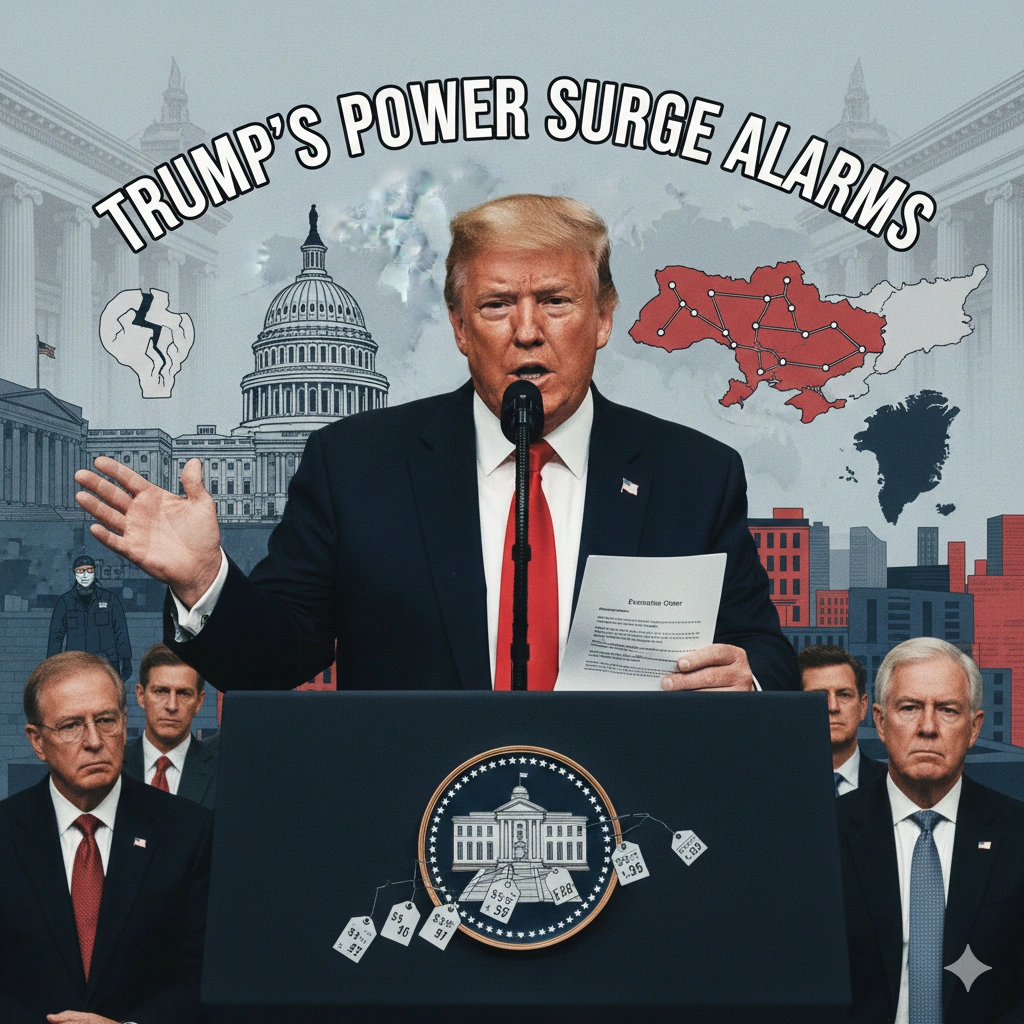
Expanded Executive Power and Norms Shattered
In his first year back in office, Trump pushed the boundaries of presidential authority both legally and politically. His administration has relied heavily on executive actions, including a record number of executive orders that exceed totals from his first term and rival many past presidencies.
Trump’s critics warn that this aggressive use of power risks sidelining traditional legislative and judicial checks. While executive orders are a legal tool every president can use, their volume and scope under Trump signal a shift toward governing by decree rather than through consensus-building with Congress.
Trump’s Chaotic First Year Fuels Debate Over Presidential Power
Domestically, Trump’s chaotic first year has featured a range of controversial policy moves:
- Bypassing Congress on key issues such as budgets and tariffs.
- Rampant immigration enforcement, with hundreds of thousands deported.
- Cuts to major government programs including foreign health aid.
- Shifts in federal law enforcement authority that some see as minimizing local oversight.
These policies have drawn both praise and criticism. Supporters say Trump’s direct style addresses urgent national concerns, while opponents argue it undermines democratic norms and leaves too much unchecked power in the executive branch.
Legal and Institutional Resistance
Despite a strong Republican majority in Congress, there have been bipartisan pushesback on some fronts. Efforts to release sensitive documents and extend healthcare subsidies show that institutional forces can still influence policy outcomes.
The legal system has also played a role. Federal judges have questioned executive authority in several high-profile cases, including challenges over federal construction projects and other ambitious initiatives. These pushbacks reflect lingering friction between the executive and judicial branches over limits on presidential reach.
Foreign Policy Bold Moves and Friction
Trump’s foreign policy has been as audacious as his domestic agenda. He has reprioritized America’s role on the global stage, often clashing with traditional allies and established institutions. Reuters reporting highlights controversies around NATO, U.S. ambitions involving Greenland, and stalled diplomatic efforts in Ukraine.
One of the most striking developments was a military intervention in Venezuela that resulted in the capture of that country’s leader. Although described by supporters as decisive action, it has alarmed critics who see it as executive overreach with limited oversight.
Impact on Immigration and the Economy
Trump’s first year also saw dramatic shifts in immigration policy. Aggressive enforcement led to hundreds of thousands of deportations, part of a broader effort to curb unauthorized immigration. However, these figures still fell short of administration goals, illustrating the difficulty of managing complex policy priorities.
Economic policies under Trump have been equally disruptive. From tariffs on foreign goods to rising costs for essentials like food and energy, many Americans are feeling pressure despite policy tweaks intended to stabilize prices.
Supporters and Critics Clash Over Direction
Trump’s supporters argue that the chaos and disruption are intentional tools for achieving what they see as necessary reforms. They credit bold actions with upending stagnant policy areas and confronting entrenched interests.
Critics, on the other hand, describe the administration’s approach as a threat to democratic foundations. They argue that the pace and scale of executive power use risk diminishing the role of Congress and the judiciary, the very institutions designed to balance presidential authority.
Conclusion
As the United States observes the first anniversary of Trump’s second term, fears about unchecked presidential power persist. Trump’s chaotic first year has reshaped the executive branch, tested the resilience of democratic institutions, and highlighted deep divisions in U.S. governance.
Whether this marks a permanent shift in presidential power or a temporary phase in a larger political cycle remains a central question in American politics as the nation heads toward the 2026 midterms and beyond.
For more details & sources visit: Reuters
For the latest updates from the United States, our U.S. news page.