
The Soheir Zaki health crisis has sent shockwaves through Egypt’s cultural and artistic community. On January 20, 2026, the legendary Egyptian oriental dancer Soheir Zaki (سهير زكي), aged 81, was rushed to the intensive care unit (ICU) at a hospital in Sixth of October City after suffering severe dehydration that triggered alarming organ distress.
Doctors say her condition remains serious but partially stabilized, prompting an outpouring of concern from fans, fellow artists, and admirers of one of Egypt’s most influential dance icons.
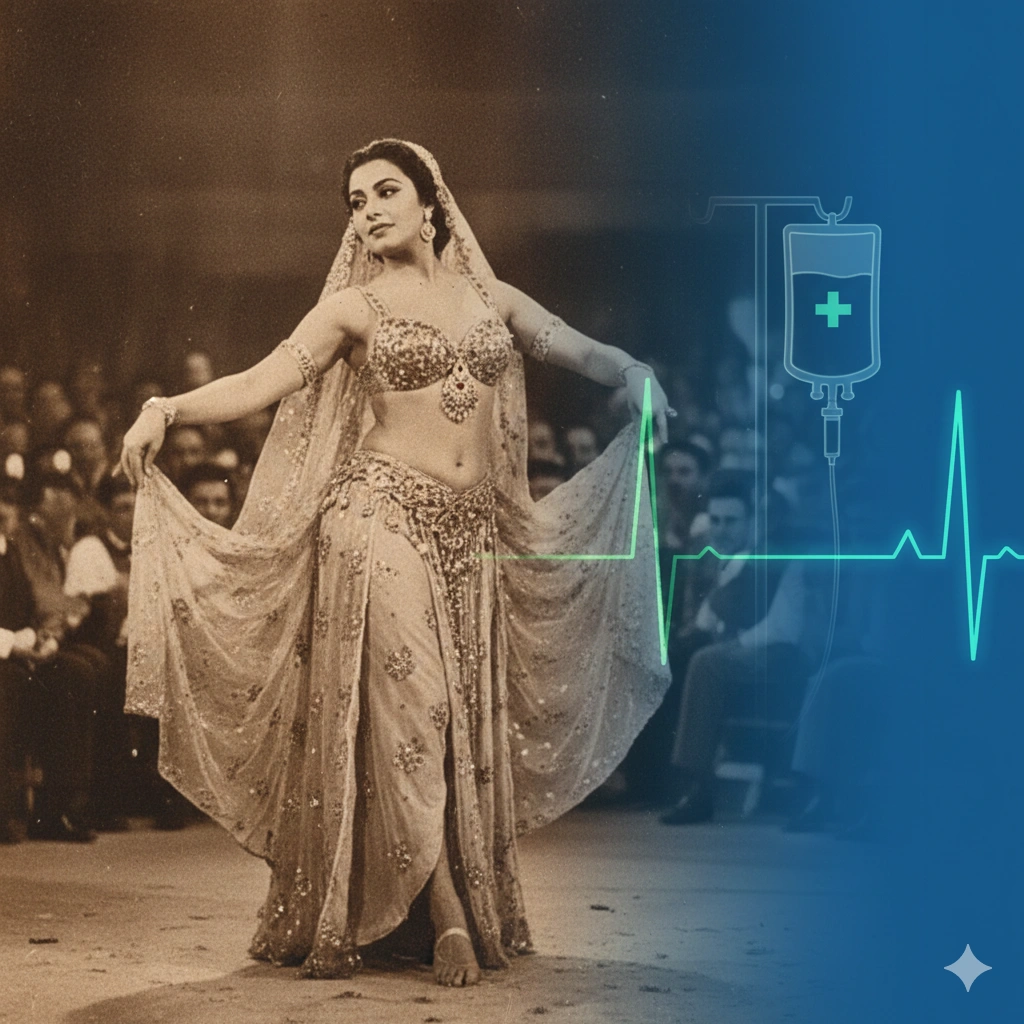
What Happened to Soheir Zaki?
According to medical sources cited by Beirutcom, Soheir Zaki’s condition deteriorated rapidly in mid-January, when acute dehydration caused dangerous disruptions to her vital functions. Given her age and existing health conditions, doctors immediately transferred her to the ICU to prevent functional organ failure.
She was placed on:
- Intravenous fluids
- Respiratory support
- Continuous monitoring equipment
The swift response helped stabilize her condition, but physicians emphasize that her recovery remains uncertain.
Doctors Urge Caution Despite Partial Stabilization
Medical teams treating the star report that while her vital signs have improved slightly, close ICU supervision is still essential. Any premature transfer out of intensive care could pose serious risks.
Complicating factors include:
- Diabetes
- Hypertension
- Age-related bone and nerve degeneration
- Reduced physical resilience due to advanced age
Doctors continue to adjust medications and fluid therapy while monitoring kidney, heart, and respiratory functions around the clock.
Why Dehydration Is So Dangerous for the Elderly
Health experts note that severe dehydration can be life-threatening, particularly for elderly patients with chronic illnesses. In Soheir Zaki’s case, dehydration placed stress on multiple organs, creating a cascade of medical complications.
According to general medical guidance from institutions such as the World Health Organization (WHO), dehydration in older adults can:
- Disrupt blood pressure regulation
- Impair kidney function
- Increase risk of organ failure
- Exacerbate diabetes and cardiovascular disease
This context explains why the Soheir Zaki health crisis escalated so quickly.
A Pioneer of Egyptian Oriental Dance
Soheir Zaki is not just a performer—she is a cultural pioneer. Rising to fame during the 1960s and 1970s, she revolutionized Egyptian oriental dance (raqs sharqi) with a refined, expressive style that emphasized musical interpretation over spectacle.
Her most historic contribution was becoming one of the first dancers to perform to songs by Umm Kulthum, Egypt’s most revered singer—an unprecedented move at the time.
Film Career and Cultural Impact
Beyond dance halls and stage performances, Zaki starred in more than 50 Egyptian films, cementing her status as a household name during the golden era of Arab cinema.
Her performances were known for:
- Musical sophistication
- Emotional restraint
- Cultural authenticity
She influenced generations of dancers and helped redefine how belly dance was perceived—both as art and heritage, rather than mere entertainment.
Life Away From the Spotlight
In the early 1990s, Soheir Zaki made the rare decision to retire at the height of her legacy, withdrawing from public life and media appearances. She chose a quiet, reclusive lifestyle, avoiding interviews and social events for decades.
This long absence from the spotlight has made news of the Soheir Zaki health crisis even more startling for fans, many of whom had not heard updates about her for years.
Fans and Artists Rally With Prayers
As news spread, social media platforms across Egypt and the Arab world filled with prayers, tributes, and emotional messages, highlighting the deep affection audiences still hold for her.
Many described her as:
- “A symbol of elegance”
- “A pillar of Egyptian dance”
- “An irreplaceable cultural icon”
Cultural commentators have also emphasized the importance of recognizing artists like Zaki while they are still alive, rather than only posthumously.
What Comes Next?
Doctors have not yet indicated when—or if—Soheir Zaki can be moved out of intensive care. For now, treatment remains focused on stabilization and preventing secondary complications.
As reported by Beirutcom, medical teams continue round-the-clock observation, stressing that the coming days are critical.
Conclusion: A Nation Holds Its Breath
The Soheir Zaki health crisis has become more than a medical update—it is a moment of collective reflection on Egypt’s artistic heritage. As fans wait anxiously for positive news, her legacy as a trailblazer of oriental dance remains unquestioned.
Whether or not she returns to full health, Soheir Zaki’s influence on Egyptian culture is eternal—etched into music, movement, and memory.
For more details & sources visit: Beirutcom
For the latest updates from Pakistan, visit our Pakistan news page.